
You're ready to take control of your financial future. Maybe you’ve just turned 18, landed your first job, or realized that building credit isn’t something to delay-it’s a move that pays dividends for decades. The right card can open doors to better loans, lower interest rates, and even higher chances of renting the apartment you want.
But not All cards Are created equal-especially when you’re starting from zero.
What First-Time Cardholders Overlook About Credit Building
Most people think getting approved is the hardest part. In reality, the real challenge begins after the plastic arrives in the mail. Too many new cardholders focus only on rewards or Credit limits While ignoring how their behavior shapes their score over time.
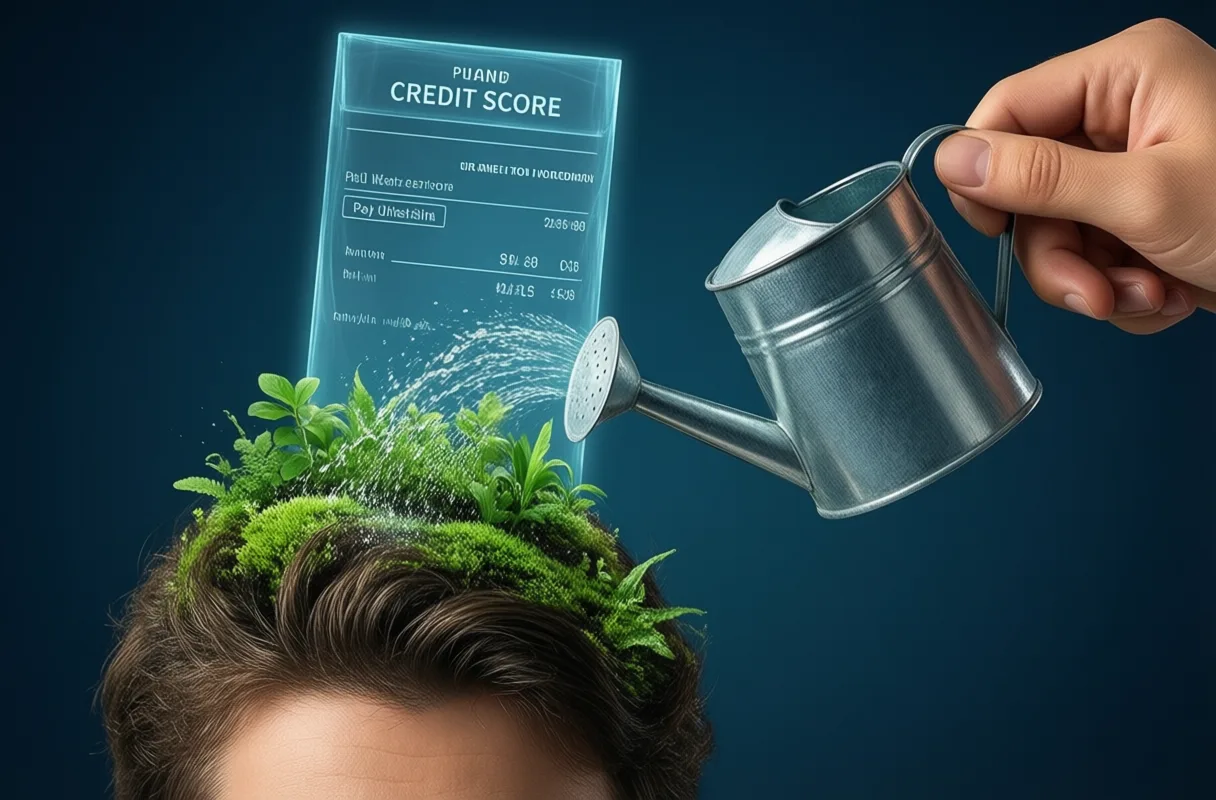
Credit isn’t built overnight. It’s grown slowly, like moss on stone-steady, quiet, but powerful with consistency. On-time payments, low utilization, and long-term Account history Matter far more than flashy sign-up bonuses.
Many assume they need an excellent score to get started. That’s false. There are Cards designed specifically for those with no credit history, and some don’t even require a deposit. The key is choosing one that reports to all three major credit bureaus every month-because if it doesn’t report, it won’t help build credit.
Others make the mistake of applying for multiple cards at once. Each application triggers a hard inquiry, which can ding your score. Worse, rejections hurt confidence-and eligibility. One strategic choice beats five random ones.
And here’s what no one tells you: your first card doesn’t have to be perfect. It just has to work reliably, report faithfully, and fit your spending rhythm without temptation.
Cards That Don’t Require a Credit History
If you’ve never had a loan or credit card, traditional lenders may see you as a question mark. But financial institutions know young adults and credit newcomers exist-they’ve built products just for this moment.
Starter cards often come with fewer eligibility requirements. Some use alternative data or skip credit checks entirely. These Tools Aren’t loopholes; they’re on-ramps engineered to bring responsible users into the credit system safely.
Take secured cards, for example. You put down a refundable deposit-say $200-and that becomes your credit line. It feels like a safety net for the issuer, but really, it's training wheels for you. As long as the issuer reports your activity monthly, each payment builds your record.
Then there are unsecured options tailored for beginners. They don’t require a deposit, yet still offer manageable limits. These cards assess risk differently, focusing on income stability or age rather than past borrowing.
Whether secured or unsecured, the best picks share common traits: low or no annual fees, transparent terms, and consistent reporting to all three credit bureaus. That last point is non-negotiable-without it, progress stalls before it starts.
7 Top Picks for Building Credit from Scratch
1. A no-annual-fee card with automatic credit line reviews
The Chase Freedom Rise® Stands out for its simplicity and forward momentum. It charges no annual fee and offers a clear path to growth through automatic credit line increases based on your payment history and creditworthiness over time.
Its reward structure is straightforward: Earn cash Back on everyday purchases, with bonus categories rotating quarterly. No guesswork, no fine print traps.
Perhaps most valuable? Chase monitors your account and may boost your limit without requiring additional deposits or applications-a rare perk for new borrowers.
For those stepping into credit for the first time, this kind of silent support can quietly accelerate financial independence.
2. A secured Visa option that reports to all three bureaus
The Opensky® Secured Visa® Credit Card Skips the credit check during application, making it accessible even if you've had past stumbles-or none at all. All you need is a security deposit and proof of income.
What makes it effective is reliability: it reports to all three major credit bureaus every month. That means every on-time payment strengthens your file across Experian, Equifax, and TransUnion simultaneously.
Over time, responsible use can lay a foundation strong enough to qualify for unsecured cards down the road. And since it’s a Visa, it works anywhere cards are accepted-no awkward declines at checkout.
For anyone rebuilding or launching credit, Secured credit cards are game Changers For Your credit score.
3. A card designed for credit newcomers with simple cash-back terms
Rewards shouldn’t be reserved for seasoned spenders. Some beginner cards now offer cash back without complex tier systems or redemption hurdles.
Look for flat-rate returns on all purchases-like 1% back everywhere, automatically deposited into your statement. No activation needed, no caps under normal use.
This model rewards consistency, not gaming the system. Buy groceries, gas, coffee-you earn. Pay on time, keep balances low, and watch both savings and credit grow together.
Simple rewards create sustainable habits. And habit, not heroics, builds lasting credit health.
4. A beginner-friendly card from a major issuer with no deposit requirement
Major banks are expanding access to entry-level products that don’t demand upfront deposits. These unsecured cards cater to applicants with limited or no credit history-but still carry the backing of a national network.
They typically feature modest initial credit lines, helping prevent overspending while establishing purchasing power. Customer service, fraud protection, and mobile app integration come standard.
Because they’re issued by large financial players, these accounts often integrate seamlessly with checking and savings tools-making money management more cohesive.
No deposit doesn’t mean no responsibility. Approval hinges on verifiable income and identity, so be ready with documentation.
5. A student-focused card with tools for financial education
College students face unique challenges: irregular income, textbook bills, and the lure of convenience spending. That’s why some of the best starter cards bundle credit access with educational resources.
These cards may link to budgeting apps, send spending alerts, or offer tips on managing due dates and avoiding late fees. Some even provide credit score tracking built directly into the dashboard.
Designed with learning in mind, they treat credit as a skill-not an instinct. And like any skill, practice matters.
Student cards often waive annual fees and include emergency assistance, giving peace of mind alongside practical experience.
6. A flexible card for those with limited or no credit history
Flexibility shows up in many forms: approval odds, repayment windows, or pathways to upgrade. The best flexible cards adapt to your life instead of forcing you into rigid boxes.
Some allow partial payments without penalty (though full balances are ideal), others let you change your due date to match paydays. Small features, big impact.
They might also partner with rent-reporting services or let you connect bank accounts to strengthen approval chances-even without traditional credit.
This kind of innovation levels the playing field, especially for immigrants, freelancers, or gig workers whose income streams don’t fit old molds.
7. A straightforward option that helps track spending and credit growth
Transparency builds trust-with yourself and your issuer. Choose a card that gives real-time insight into how much you’ve spent, how much is available, and how your credit score is moving.
Monthly summaries should highlight payment history, utilization rate, and progress toward goals. Seeing “on-time payments streak: 8 months” does more than inform-it motivates.
When your financial behavior links directly to visible outcomes, discipline becomes natural.
A good tracking system turns abstract concepts like "credit utilization" into tangible feedback: “You’re using 28% of your limit-keeping it below 30% helps your score.”

What Makes a Card Truly Beginner-Safe?
Safety isn’t just about fraud protection or encryption. For beginners, true safety means guardrails against costly mistakes.
Low or no annual fees Keep costs predictable. Why pay for a tool meant to teach you responsibility? Avoid cards that charge just for existing.
Equally important: Monthly reporting to all three credit bureaus. If your issuer doesn’t report regularly, your effort vanishes into thin air. Always confirm this before signing up.
Look for clear communication. No buried penalties. No surprise hikes in APR after six months. Terms should be written plainly, not hidden in legalese forests.
And never underestimate usability. A clean mobile app, easy customer service access, and timely reminders reduce stress and prevent errors.
Finally, avoid cards pushing high-interest cash advances or balance transfers. Those features tempt misuse when you’re still learning the basics.
Smart Moves After You Get Approved
Congratulations-you’re in. Now comes the part that actually builds credit: responsible use over time.
Start small. Use the card for one recurring bill-like streaming or phone service-and set up autopay from your checking account. This ensures you never miss a due date.
Keep your balance low. Even if you could max it out, don’t. Experts suggest staying under 30% of your limit, ideally closer to 10%. Lower utilization signals control.
Review statements monthly, even if paid automatically. Spotting errors early protects your score and teaches awareness.
After several months of on-time payments, consider asking for a credit limit increase-but only if you won’t be tempted to spend more.
And whatever you do, Don’t close the account Once you upgrade. Length of credit history counts for nearly 15% of your FICO score. Keep that door open.

What Your First Card Won’t Tell You
It won’t warn you about the psychological pull of “available credit.” That number flashing on your app? It’s not free money-it’s borrowed, with consequences.
It won’t remind you that skipping payments hurts more than you think. One late payment can linger on your report for seven years. Rebuilding takes twice as long as falling.
It won’t celebrate incremental wins-like your first automatic credit line review or your third consecutive month under 10% utilization. You have to notice those yourself.
And it definitely won’t teach you budgeting. That’s on you. A card enables transactions; it doesn’t guide wisdom.
But here’s what it Can Do: become a mirror. Every charge reflects a decision. Every statement reveals a pattern. With attention, it becomes one of the most honest financial tools you’ll ever own.
Next Steps in Your Credit Journey
Six to twelve months of disciplined use unlocks new opportunities. You may qualify for cards with better rewards, higher limits, or travel perks.
Consider upgrading to a card that earns points on dining or flights-if your spending aligns. But don’t chase perks at the cost of stability.
Continue monitoring your credit reports annually. Free access is guaranteed, and catching inaccuracies early keeps your trajectory intact.
Think beyond plastic. How does credit affect car loans? Rent applications? Even job prospects in certain fields? Understanding these links deepens your control.
Building credit isn’t a sprint. It’s a slow climb with compound rewards. The habits you form now-in 2026-will echo through homebuying, entrepreneurship, and retirement planning.
Start smart. Stay steady. Let time do the heavy lifting.
| Card Name | Credit Check Required | Deposit Needed | Reports to All Three Bureaus |
|---|---|---|---|
| Chase Freedom Rise® | No | No | Yes |
| Opensky® Secured Visa® Credit Card | No | Yes | Yes |
| Student-focused card | Varies | No | Yes |
Starting Strong: Smart First Steps with Credit Cards
Getting your first credit card is a bit like getting your learner’s permit - it’s your first real step toward financial independence. And just like with driving, starting with the right tools makes all the difference. One solid option often mentioned for beginners is the Chase Freedom Rise®. It doesn’t charge an annual fee, which is a big plus when you’re just starting out, and it gives cash back on everyday purchases - a simple perk that helps you see real value without needing to study a complicated rewards chart.
Cards That Fit Your Starting Point
If you’ve never had credit before, some cards are built just for that situation. Secured credit cards, like the opensky® Secured Visa® Credit Card, don’t require a credit check to apply - a rare feature that opens the door for more people. You’ll need to put down a security deposit, but that becomes your credit limit, helping lenders feel more secure while you build your history. Plus, many of these starter cards report your payment activity to all three major credit bureaus every month, which is key for growing your credit score over time.
Student credit cards and starter options usually have easier approval requirements, so they’re more forgiving if your credit history is thin or nonexistent. And remember, you need to be at least 18 to apply on your own - age isn’t just a number here, it’s a legal requirement. If you’re not ready to go solo, becoming an authorized user on someone else’s account or finding a co-signer are other ways to start building credit safely. Either way, the goal is the same: show you can handle credit responsibly, one on-time payment at a time.
Frequently Asked Questions
What should beginners look for in a credit card to build credit?
Beginners should choose a card that reports to all three major credit bureaus every month. It should have low or no annual fees, clear terms, and help track spending and payment history.
Do secured credit cards help build credit?
Yes, secured credit cards like the opensky® Secured Visa® Credit Card help build credit by reporting payment activity to Experian, Equifax, and TransUnion each month when used responsibly.
Can you get a credit card with no credit history?
Yes, some cards are designed for those with no credit history. Secured cards and certain unsecured starter cards don’t require a credit check and base approval on income or deposit.
How can I use my first credit card to build credit effectively?
Use your card for small recurring purchases, keep balances low under 30% of your limit, and always make on-time payments. Set up autopay to avoid missed due dates.
Not financial advice. This article is general information, not financial, investment, tax or legal advice. Talk to a qualified professional before making money decisions.
This article was produced with AI assistance. How Money Maker Magazine uses AI.
Diego explores the intersection of culture and commerce, reporting on how trends in travel, fashion, and dining shape consumer behavior and investment opportunities. His work reveals the economic engines behind everyday indulgences.