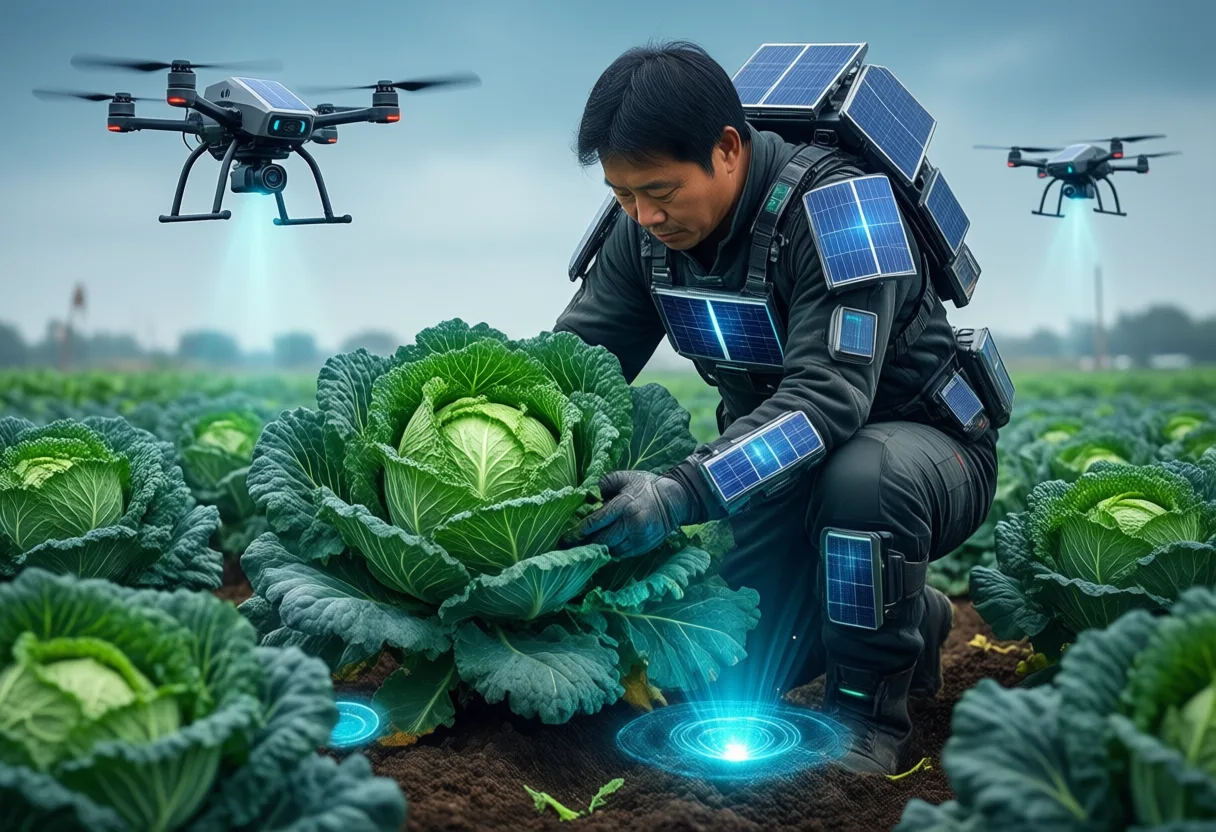
The sun rises over a patch of open field, dew glistening on rows of young kale, while a drone hums overhead mapping soil moisture. This isn’t just a farm-it’s a laboratory for the future of food, finance, and freedom.
Across rural America and in emerging economies alike, Agricultural land Is being reimagined Not as static acreage, but as dynamic platforms for innovation. For entrepreneurs who blend ecological awareness with sharp financial instincts, the soil offers more than crops-it yields opportunity.
Turning Dirt Into Dollars: The New Economics of Farmland
Land has always been a store of value, but today’s most successful operators treat it like a diversified asset-generating income from multiple streams, not just harvests. Think of a 50-acre parcel not as a single crop zone, but as a living ecosystem engineered for profit, resilience, and long-term appreciation.
Sustainable farming isn’t just about avoiding chemicals or conserving water. It’s about Designing systems that reduce input costs, increase yield stability, and command premium pricing. Rotational grazing, cover cropping, and compost integration aren’t just eco-friendly-they cut fertilizer bills and improve soil structure, which directly impacts the bottom line.
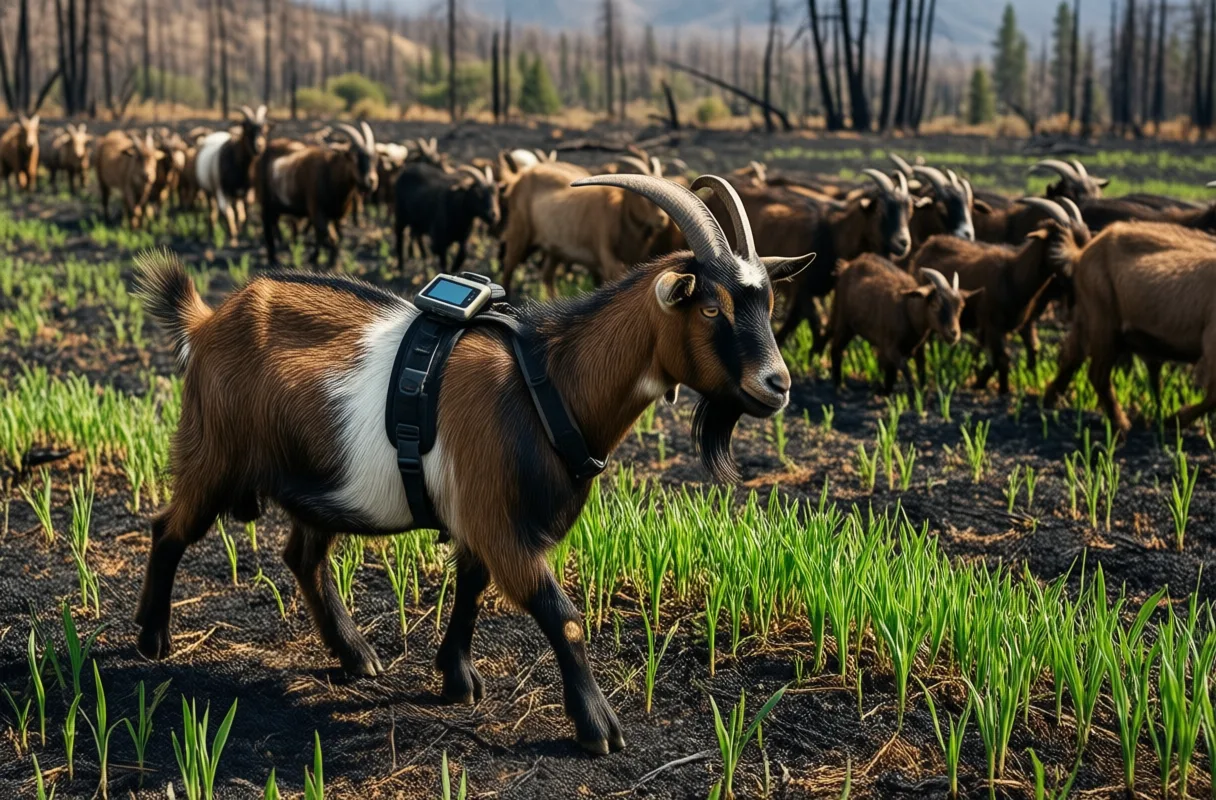
Consider this: farms that integrate livestock with crop production often see faster nutrient cycling and fewer pest outbreaks. That means less spending on feed, fewer losses to disease, and healthier margins. These are the kinds of efficiencies that catch the eye of investors who understand compounding returns.
- Diversified operations can buffer against market swings
- Healthy soil increases land valuation over time
- Regenerative practices reduce dependency on volatile input markets
Smart entrepreneurs don’t wait for commodity prices to decide their fate. They build models where demand is predictable, costs are controlled, and value is added before the product ever leaves the property.
Beyond the Row Crops: Hidden Revenue Streams in Plain Sight
Most people picture corn or soy when they think of farmland. But the real money today is in what happens between, beneath, and beside those rows. The shift is from volume to value-and from extraction to regeneration.
One growing path is agritourism. Picture weekend visitors paying to harvest their own strawberries, sip cold-pressed apple cider, and sleep in solar-powered cabins nestled among orchards. This isn’t novelty-it’s a calculated play on experiential spending, where families trade screen time for soil time.
Another model gaining traction is on-farm processing. Instead of selling raw tomatoes at wholesale rates, a farmer might turn them into jarred salsa sold at Local markets Or online. The markup isn’t incidental-it’s transformative. Value-added products can multiply revenue per pound of output Without requiring more land.
Renewable energy is also finding a home in the fields. Solar panels mounted above pastureland provide shade for grazing animals while generating electricity. Wind turbines on marginal acreage produce steady lease income. These dual-use strategies turn underproductive zones into profit centers.
- Agritourism taps into urban demand for authenticity and nature
- On-site processing captures margins typically taken by middlemen
- Renewable installations create stable cash flow with low maintenance
These aren’t side hustles. They’re core components of a modern agricultural business designed to thrive whether grain prices rise or fall.
Building Resilience Through Smart Design and Community Ties
A farm that depends on one buyer, one crop, or one season is a gamble. A sustainable enterprise spreads risk across multiple channels, seasons, and customer bases. The goal isn’t just survival-it’s enduring growth.
Direct-to-consumer sales through farmers markets, CSAs (community-supported agriculture), and online stores give farmers control over pricing and customer relationships. When drought hits and supply shrinks, loyal members are more likely to stick around than distant distributors looking for the cheapest deal.
Collaboration is another silent advantage. Neighboring farms sharing equipment, labor, or distribution networks lower individual costs and increase negotiating power. Some form cooperatives to collectively purchase supplies or market regionally branded goods. Strength isn’t just in scale-it’s in smart alliances.
Soil health, too, is a financial indicator. Farms with high organic matter retain water better, require fewer inputs, and rebound faster after extreme weather. Over time, this translates to Lower volatility and higher net returns-a profile that attracts patient capital.
- Long-term leases with local restaurants ensure stable demand
- Shared infrastructure reduces capital burden
- Healthy ecosystems mean fewer surprises during climate stress
Like any savvy investor, the modern farming entrepreneur knows that resilience compounds. Each decision to build soil, strengthen community ties, or diversify offerings pays dividends years down the road.

The Bottom Line: Where Passion Meets Prudent Investment
Farming will never be a quick flip. But for those with vision and discipline, Agricultural land offers rare alignment between purpose and profit. You’re not just growing food-you’re cultivating an asset that appreciates quietly, year after year.
The most successful operators think like portfolio managers: balancing short-term Cash flow With long-term equity growth. They reinvest profits into infrastructure, biodiversity, and brand-not just bigger tractors or more acres.
And unlike stocks or crypto, land feeds people. There’s inherent stability in that. No matter what the economy does, humans need to eat. The question isn’t whether farmland has value-it’s how creatively you can unlock it.
This is where the next generation of entrepreneurs comes in. Not the ones waiting for venture capital, but those willing to get their boots dirty, test ideas small, and scale what works. Because the future of farming isn’t just sustainable-it’s profitable.
| Business Idea | Key Benefits | Income Mechanism |
|---|---|---|
| Agritourism | Taps urban demand for nature experiences | Farm stays, tours, workshops |
| On-farm processing | Captures margins lost to middlemen | Selling value-added products locally or online |
| Renewable energy | Utilizes marginal land with low maintenance | Lease income from solar or wind installations |
| Alpaca farming | Provides fiber and natural fertilizer | Selling fleece and reducing input costs |
| Beekeeping | Enhances crop pollination and yields | Honey, beeswax, and pollination services |
| CSA and direct sales | Builds customer loyalty and stable demand | Membership programs and online sales |
Turning Soil into Success
Beyond the Basics: Farming’s Hidden Gems
Did you know that some of the most successful agricultural businesses aren’t about growing food at all? Alpacas, for example, are gaining ground on small farms not just for their cute faces, but for their soft, hypoallergenic fleece, which sells for top dollar in the fiber market. These animals are low-impact grazers, making them ideal for sustainable land use, and their manure doubles as excellent organic fertilizer. It’s a two-in-one deal: a renewable fiber source and natural soil booster, all while keeping the land healthy.
Sweet Returns from Bees and Berries
Honeybees do more than make honey-they’re essential players in crop pollination, boosting yields for nearby fruit and vegetable farms. Entrepreneurs are tapping into this by setting up apiaries not just for honey, but for beeswax, propolis, and pollination services. Some farms even offer “adopt-a-hive” programs, letting customers sponsor a colony and receive honey shares, creating a loyal community around their brand. Pair that with a small berry patch-like raspberries or elderberries-and you’ve got ingredients for value-added products like jams, syrups, or herbal tinctures that sell well at farmers markets or online.
Farm Stays and the Rise of Agri-Tourism
A growing number of landowners are opening their gates-literally-by turning fields into weekend escapes. Think cozy yurts, farm tours, or hands-on workshops like cheese-making or seed-saving. People crave real farm experiences, and agri-tourism lets them dig in-sometimes literally. These ventures build public trust in farming, create new income streams, and often inspire guests to buy directly from the farm. It’s proof that sometimes, the most profitable crop isn’t grown in the soil-it’s grown through connection. Explore more stories, videos, and creators on Loaded.
Frequently Asked Questions
What are some sustainable farming practices that improve profitability?
Rotational grazing, cover cropping, and compost integration reduce fertilizer costs and improve soil structure. These practices increase yield stability and lower input expenses, boosting long-term margins.
How can farmers generate income beyond growing crops?
Farmers can earn through agritourism, on-farm processing, and renewable energy installations. Examples include farm stays, turning tomatoes into salsa, and leasing land for solar or wind energy.
Why is diversification important for farming entrepreneurs?
Diversification spreads risk across multiple crops, seasons, and customer channels. It includes direct-to-consumer sales, shared infrastructure, and value-added products to stabilize income.
How do alpacas and bees contribute to sustainable farm income?
Alpacas provide high-value fleece and organic fertilizer while being low-impact grazers. Bees support pollination, produce honey and beeswax, and enable programs like 'adopt-a-hive' for community engagement.
Not financial advice. This article is general information, not financial, investment, tax or legal advice. Talk to a qualified professional before making money decisions.
This article was produced with AI assistance. How Money Maker Magazine uses AI.
Diego explores the intersection of culture and commerce, reporting on how trends in travel, fashion, and dining shape consumer behavior and investment opportunities. His work reveals the economic engines behind everyday indulgences.