
Hospital corridors hum with urgency. Families rush between waiting rooms, nurses swap shifts in tired silence, and patients navigate uncertainty with quiet resolve. Amid this constant motion lies a powerful, often overlooked truth: Where people are in need, opportunity follows-not through luck, but through precision.
The best Businesses near Hospitals aren’t built on proximity alone. They thrive because they solve real problems in real time. These ventures succeed not by chasing foot traffic, but by Anticipating behavior, reducing friction, and delivering dignity in moments of stress. This isn’t speculation-it’s pattern recognition, the kind Warren Buffett applies to consumer habits and Ray Dalio to systemic flows.
Let’s follow the trail.
What Makes Hospital-Area Ventures Thrive?
Hospitals are micro-economies. They generate predictable rhythms: shift changes, visiting hours, emergency surges, and outpatient cycles. Each rhythm pulls in people with immediate, often urgent needs. The businesses that survive and scale are those that align with these rhythms, not fight them.
Success here depends less on flashy branding and more on Timing, accessibility, and emotional intelligence. A nurse working a 12-hour shift doesn’t have time to circle the block for coffee. A family traveling from out of town doesn’t want to hunt for toiletries at midnight. These aren’t inconveniences-they’re pain points waiting to be resolved.
And that’s where opportunity lives.
When demand is constant, even small improvements in convenience compound. A five-minute wait avoided. A forgotten item replaced in seconds. A quiet space to breathe. These aren’t luxuries. They’re Functional necessities in a high-stress environment. The most resilient hospital-adjacent businesses don’t sell products-they sell relief.

The Hidden Demand in Medical Districts
Most people see hospitals as Places Of treatment. But they’re also places of waiting, worrying, and wandering. Behind every patient is a network of caregivers, relatives, and support staff-all with needs that extend far beyond medical care.
Consider the family member who arrives unprepared for an extended stay. They may need clothing, snacks, phone chargers, or even a place to nap. The visiting specialist might need a quick meal between consultations. The overnight staff may need caffeine, Comfort food, or a secure place to store personal items.
These needs are consistent, recurring, and often urgent. They form a hidden demand curve-one that doesn’t fluctuate with seasons or trends. Unlike retail in shopping malls, which depends on discretionary spending, hospital-area demand is driven by necessity. That makes it more stable, more predictable, and-when properly served-more profitable.
This isn’t about guessing what people want. It’s about observing what they do. People pace hallways. They stare at phones. They carry bags from home, often underpacked. They look for Wi-Fi, outlets, and quiet corners. These behaviors are data points. Read them correctly, and the business model reveals itself.
Why Convenience Wins Every Time
In high-stress environments, decision fatigue sets in quickly. The more overwhelmed a person feels, the more they gravitate toward the easiest option-even if it’s slightly more expensive. This isn’t irrational behavior. It’s Cognitive conservation.
A visitor choosing between a 10-minute walk to a distant café or a 30-second stop at a kiosk isn’t making a financial calculation. They’re making an emotional one. The kiosk wins-not because it’s better, but because it’s faster, closer, and requires less effort.
This is why convenience isn’t just a feature-it’s the product. The businesses that dominate hospital zones aren’t always the cheapest or the flashiest. They’re the ones that Remove friction from the experience. They understand that time, energy, and peace of mind are the true currencies here.
Speed, visibility, and accessibility aren’t add-ons. They’re the foundation. Whether it’s a pre-packed meal, a mobile charging station, or a curbside pickup window, the goal is the same: Get in, solve the problem, get out. The faster you do it, the more trust you build.
1. Pharmacies with Personalized Services
Standard pharmacies fill prescriptions. The ones near hospitals that thrive do more. They offer Medication synchronization, Helping patients Manage multiple prescriptions on a single pickup schedule. This reduces trips, lowers missed doses, and builds loyalty.
They also provide Personalized packaging, like blister packs labeled with time and date. For elderly patients or caregivers managing complex regimens, this isn’t just helpful-it’s essential. It turns a transaction into a service.
Some go further by offering In-person consultations with pharmacists During evening and weekend hours. These aren’t sales pitches. They’re brief, focused check-ins that answer real questions: Can I take this with my other meds? What if I miss a dose?
This level of support doesn’t require a massive footprint. It requires Staff training, smart scheduling, and a commitment to patient dignity. The return? Higher compliance, fewer errors, and repeat visits driven by trust, not just proximity.
2. Fast-Casual Dining for Visitors and Staff
Hospital food is often criticized-and for good reason. It’s designed for volume, not taste or speed. That creates a vacuum. The gap isn’t just in flavor. It’s in Availability during off-peak hours.
Fast-casual spots that open early, close late, and offer Grab-and-go options Tap into a steady stream of nurses, technicians, and visitors. A sandwich, a salad, a hot soup-prepared fresh, priced fairly, served fast. That’s the formula.
Menus should rotate based on shift patterns. Hearty breakfasts before 7 a.m. Light, energizing lunches between 11 and 1. Late-night snacks after 8. Timing matters as much as taste.
And packaging? It should be quiet, leak-proof, and easy to carry. No one wants a crinkly bag in a quiet waiting room. These details aren’t minor. They’re what separate a diner from a destination.
3. Comfort-Focused Cafés for Family Downtime
Not every need is urgent. Some are emotional. Families spend hours in waiting rooms, often with little to do but worry. A café that offers Soft lighting, comfortable seating, and a calm atmosphere Becomes more than a place to drink coffee. It becomes a refuge.
These spaces should feel separate from the hospital-without being far from it. Large windows, indoor plants, and background music at low volume can make a dramatic difference in mood. Ambience is part of the service.
Offering non-caffeinated options-herbal teas, warm milk, broths-signals that you understand the full range of needs. Some visitors aren’t there to stay alert. They’re there to cope.
And don’t overlook private nooks. A corner table where a family can talk quietly, or a booth where someone can cry without being seen-these small design choices Build emotional loyalty That no discount can match.
4. Medical Supply Outlets with Curbside Access
Patients discharged with new conditions often leave without the supplies they need. Wheelchairs, walkers, compression socks, glucose monitors-these aren’t luxuries. They’re Required tools for recovery.
A medical supply store near the hospital that offers Curbside pickup or delivery to the discharge desk Removes a major barrier. No parking. No walking. No confusion.
Inventory should focus on the most common post-discharge needs. Stock what’s prescribed most often. Train staff to answer basic setup questions. Provide printed instructions in multiple languages.
And consider Rental options For short-term equipment. Not every patient needs a walker for life. A two-week rental at a fair price is more appealing than an upfront purchase-and it brings them back for return and follow-up.
5. Rideshare-Friendly Transportation Hubs
Not everyone arrives by car. Many depend on rideshares, taxis, or public transit. But hospital campuses are often confusing, with drop-off zones far from entrances or poorly marked.
A dedicated Transportation hub with clear signage, shelter, and real-time arrival info Becomes a critical node. It reduces stress for arriving visitors and speeds up turnover for drivers.
Partner with local rideshare services to designate Exclusive pickup zones. Install benches, lighting, and digital boards showing estimated wait times. These aren’t luxuries-they’re Infrastructure for efficiency.
Even better: offer a Concierge-style dispatch service. For elderly patients or those with mobility issues, having someone call the ride and walk them to the curb adds immense value.
6. Short-Term Retail for Forgotten Essentials
People arrive unprepared. They forget toothbrushes, phone chargers, pajamas, or baby formula. A small retail kiosk that stocks Travel-sized toiletries, snacks, phone accessories, and basic clothing Fills a critical gap.
Merchandise should be organized by use case: “Overnight Stay,” “New Parent,” “Caregiver Kit.” Pre-bundled packs save time and reduce decision fatigue.
Pricing should be fair-but not rock-bottom. Shoppers here value speed and availability over savings. A $5 phone charger is a bargain if it means staying connected to family.
And keep hours long. Stock doesn’t help if the store is closed at 9 p.m. When a relative arrives after work.
7. Wellness Clinics with Flexible Hours
Hospitals treat illness. But nearby clinics can focus on Prevention, recovery, and mental health. Think acupuncture, physical therapy, nutrition counseling, or stress management.
The key? Hours that match real life. Early mornings, evenings, weekends. No one wants to take time off work for a 2 p.m. Appointment.
These clinics should feel different from hospital settings-calmer, more personal. Use warm materials, private rooms, and minimal signage. The goal is to Reinforce healing, not remind people of sickness.
And consider sliding scale fees. Many visitors are under financial stress. Accessibility builds trust-and word-of-mouth referrals.
8. Pet Care Services for Visiting Families
Pets don’t vanish when a family member is hospitalized. But caring for them becomes harder. A nearby Pet daycare, grooming station, or mobile vet service Offers real relief.
Even a drop-off point for pet food and supplies can be valuable. Some families stay for weeks. They can’t bring their dog, but they still need to feed it.
Partner with local shelters or pet sitters to offer Short-term foster programs. “We’ll care for your pet while you’re here”-that message resonates deeply.
And don’t underestimate the emotional benefit. Knowing their pet is safe helps people focus on healing.
9. Concierge Desks for Patient Navigation
Hospitals are mazes. Visitors get lost. Forms are confusing. Parking is expensive. A Concierge desk outside the main entrance Can guide people through the chaos.
Staff should be trained in hospital layout, insurance basics, and public transit options. They don’t replace medical staff. They Reduce anxiety by providing clear, calm directions.
Offer printed maps, Wi-Fi passwords, and shuttle schedules. Some may need help filling out forms or finding financial aid offices. Even a five-minute conversation can change someone’s entire experience.
This isn’t just service. It’s Operational empathy-and it builds goodwill that lasts beyond the visit.
10. Mobile Charging Stations and Tech Rentals
Phones are lifelines. They connect patients to family, store medical records, and provide distraction during long waits. But batteries die.
Install Secure, sanitized charging stations With multiple port types. Offer short-term rentals of tablets, headphones, or portable chargers.
Charge a small fee-or make it free with a loyalty card. Either way, the goal is to keep people connected without stress.
And consider Noise-canceling zones Where charging comes with quiet. Not every call is casual. Some are about diagnoses, insurance, or end-of-life decisions.
11. Quiet Lounges for Emotional Respite
Not every need can be met with food, supplies, or transport. Some are invisible. Grief, fear, exhaustion-these weigh heavily in hospital settings.
A Quiet lounge with dim lighting, comfortable chairs, and no screens Offers a space to breathe. No sales. No noise. Just stillness.
Train staff to recognize when someone might need it. A nurse might gently suggest it to a family after bad news. A volunteer might leave the door open and the lights low.
These spaces don’t generate direct revenue. But they Generate reputation. And in healthcare-adjacent business, reputation is everything.

The Myth of Guaranteed Foot Traffic
Proximity to a hospital doesn’t guarantee success. Foot traffic is only valuable if it converts. And conversion depends on Relevance, reliability, and respect.
Too many entrepreneurs open shops assuming that If people are nearby, they’ll buy. But stressed visitors aren’t impulse shoppers. They’re problem solvers. If your business doesn’t solve a real issue, they’ll walk past without noticing.
Worse, some ventures disrupt the environment. Loud music, bright signs, aggressive marketing-these can feel disrespectful in a place of healing. Tone matters as much as location.
The truth? High foot traffic is a starting point, not a strategy. The real work begins after the door opens.
What Most Entrepreneurs Overlook
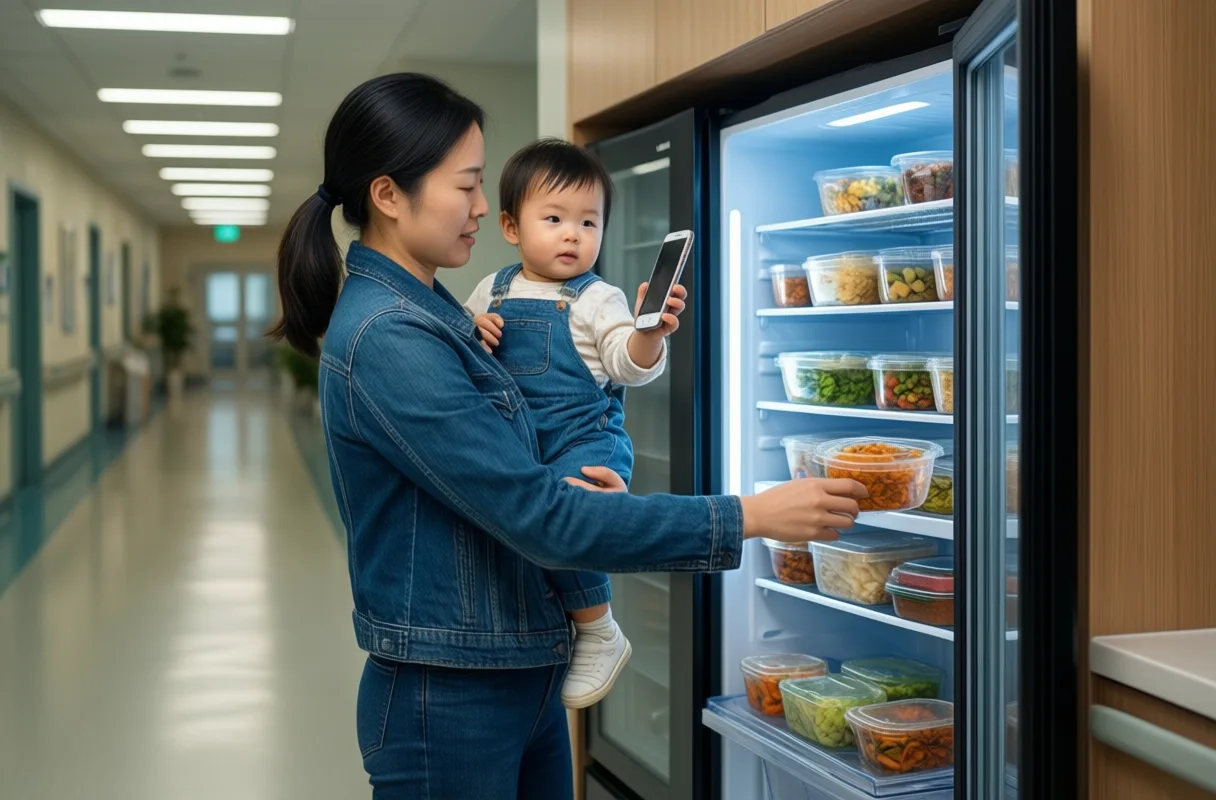
They focus on what they want to sell, not what people actually need. They design for efficiency, not empathy. They optimize for cost, not comfort.
The biggest oversight? Failing to observe before acting. Spend a week watching foot patterns. Note when people stop, where they linger, what they carry, what they search for on their phones.
Talk to nurses. Ask what visitors always ask for. Listen to families in waiting rooms. These conversations are more valuable than any market report.
And remember: People don’t remember prices. They remember how they felt. A kind word, a quiet space, a charger when the battery died-these moments stick.
Keys to Sustained Success in High-Turnover Zones
First, Align with hospital rhythms. Open when shifts change. Stock what’s needed during visiting hours. Close only when demand truly drops.
Second, Train staff to be calm, clear, and compassionate. In high-stress zones, employee demeanor is part of the product. A rude cashier can undo months of goodwill.
Third, Measure what matters. Not just sales, but customer dwell time, repeat visits, and feedback. Use data to refine, not just report.
Finally, Build partnerships, not just profits. Work with hospital staff, social workers, and discharge planners. Become a trusted extension of the care ecosystem.
The most successful ventures near hospitals don’t see themselves as businesses. They see themselves as Support systems. And in doing so, they earn something more valuable than foot traffic: Trust.
Smart Spots to Set Up Shop Near Hospitals
The Daily Grind and Grab
Hospitals buzz with activity around the clock, bringing in doctors, patients, visitors, and staff who all need quick bites, drinks, and essentials. A coffee kiosk or small café thrives here-people often grab a cup during shift changes or while waiting for news. One fun fact: the average hospital sees thousands of visitors each day, many of whom spend time in waiting rooms with little to do but browse a nearby snack case or juice bar. This foot traffic creates a built-in customer base that returns regularly, especially if your spot becomes their go-to for a midday sandwich or afternoon pick-me-up.
More Than Just Medicine
Beyond food, services that save time or add comfort do well. Think laundry drop-offs, phone repair stands, or even a small bookstore with magazines and journals. Hospitals are full of people stuck indoors for hours, and many turn to reading or charging devices to pass the time. A mini convenience store selling toiletries, phone chargers, or cozy socks can make someone’s day a little easier. And here’s a quirky truth: some hospitals report higher sales of comfort items like slippers and bottled water than expected-because when you’re spending hours in a waiting room, even small comforts feel essential.
Pet Power and Parking Perks
If the hospital allows it, a pet-friendly seating area or a nearby dog-walking service could be a quiet winner. Many visitors don’t want to leave pets in the car and appreciate nearby spots where animals can stretch. Also, parking lots near hospitals often fill up fast-so a bike valet or scooter rental stand might surprise you with demand. After all, not everyone wants to circle the block ten times just to save a few bucks. Simple solutions that reduce stress tend to stick around, especially when they solve a daily hassle in plain sight. Explore more stories, videos, and creators on Loaded.
Frequently Asked Questions
What types of businesses benefit most from high foot traffic near hospitals?
Businesses that solve urgent, real-time needs like pharmacies with personalized services, fast-casual dining, comfort-focused cafés, and medical supply outlets thrive. They succeed by reducing friction and providing relief in high-stress environments.
Why do convenience and accessibility matter so much near hospitals?
In high-stress settings, people prioritize speed and ease over cost. Decision fatigue makes them choose the closest, simplest option. Convenience wins because it conserves time, energy, and peace of mind.
How can a business align with hospital rhythms for better success?
Successful businesses open early, close late, and stock items based on shift changes, visiting hours, and outpatient cycles. Aligning hours and inventory with hospital schedules increases relevance and repeat visits.
What role does emotional intelligence play in hospital-area ventures?
Emotional intelligence helps businesses anticipate needs like quiet spaces, grief support, or pet care. Understanding emotional stress builds trust and loyalty beyond transactions.
Not financial advice. This article is general information, not financial, investment, tax or legal advice. Talk to a qualified professional before making money decisions.
This article was produced with AI assistance. How Money Maker Magazine uses AI.
Priya investigates innovation-driven industries, from fintech to AI startups, analyzing how disruptive technologies reshape business models and create new financial frontiers. She combines deep research with forward-looking insight to guide savvy investors.