
Demand for immersive, meaningful outdoor experiences is rising. People are stepping away from screens and seeking connection-through movement, stillness, and the quiet clarity found only in Natural spaces. This shift isn’t just cultural; it’s economic. A growing market of nature lovers and adventurers is ready to invest in experiences that align with their values: sustainability, education, and personal growth. For the entrepreneur, this isn’t a passing trend-it’s a foundation for long-term ventures that serve both people and the planet.
The Hidden Demand for Nature-Based Experiences
Urban fatigue is real. After years of digital saturation and tightly scheduled lives, more individuals are searching for ways to unplug and recharge in natural environments. This isn’t just about hiking or camping-it’s about purposeful engagement with the outdoors. Whether it’s learning survival skills, practicing mindfulness under a canopy of trees, or photographing wildlife in its habitat, people crave authenticity and depth.
The outdoor economy reflects this shift. While exact figures aren’t available here, broader trends suggest that experiential spending is outpacing material consumption, especially among younger demographics. These consumers don’t just want gear-they want guidance, access, and transformation. They’re willing to pay for expertise, convenience, and curated moments that feel personal and impactful.
This creates a rare opportunity: Businesses That blend passion with practicality can thrive. The most successful ventures won’t just sell a service-they’ll build community, foster stewardship, and adapt to environmental realities. The following ideas are not random suggestions. Each is rooted in observable human behavior, logistical feasibility, and long-term sustainability. Let’s examine them one by one.
1. Guide Local Wildlife Viewing Expeditions
Wildlife observation is more than a pastime-it’s a gateway to ecological awareness. Many people want to see animals in their natural habitats but lack the knowledge to do so responsibly. They don’t know when, where, or how to look without disturbing the environment. That’s where a skilled guide becomes essential.
A Local wildlife Viewing service turns passive curiosity into active discovery. You can lead small groups to known habitats during optimal times-dawn or dusk-teaching them to identify tracks, calls, and behaviors. This isn’t about chasing rare sightings; it’s about cultivating patience and respect for natural rhythms.
Success hinges on three things: Local expertise, Ethical practices, and Consistent scheduling. Build relationships with landowners or park officials to access private or restricted areas legally. Keep group sizes small to minimize impact and enhance the experience. Over time, repeat clients and referrals will grow your base-especially if you offer seasonal themes like bird migrations or mating calls.
- Focus on species commonly found in your region
- Emphasize quiet observation and minimal disturbance
- Offer family-friendly and expert-level options
This model scales well. You can expand into digital content-audio guides or photo logs-or partner with schools and conservation groups. The key is positioning yourself not just as a guide, but as a trusted interpreter of the wild.
2. Launch a Backcountry Skill-Building Workshop Series
Not everyone knows how to purify water, navigate without GPS, or build a shelter. Yet interest in self-reliance is growing. A structured workshop series teaches essential outdoor skills in a safe, progressive format. It’s education with immediate real-world application.
Begin with foundational topics: map and compass use, fire safety, emergency signaling. Then advance to more complex techniques like foraging basics, weather reading, or Leave No Trace principles. Each session should combine theory with hands-on practice in a controlled natural setting.
Certification adds value. While no universal standard exists here, creating your own tiered system-Beginner, Intermediate, Advanced-gives participants clear milestones. Charge per module or offer a discounted package. Many will return for new content, especially if you rotate locations and introduce seasonal challenges.
- Partner with local parks or outdoor clubs for场地 access
- Use reusable, durable training materials to keep costs low
- Record sessions (with permission) for future online courses
Parents, preppers, scouts, and outdoor educators are natural audiences. Over time, this model can evolve into a training brand-complete with manuals, tools, and instructor licensing.
3. Design Themed Nature Walks for Families and Schools
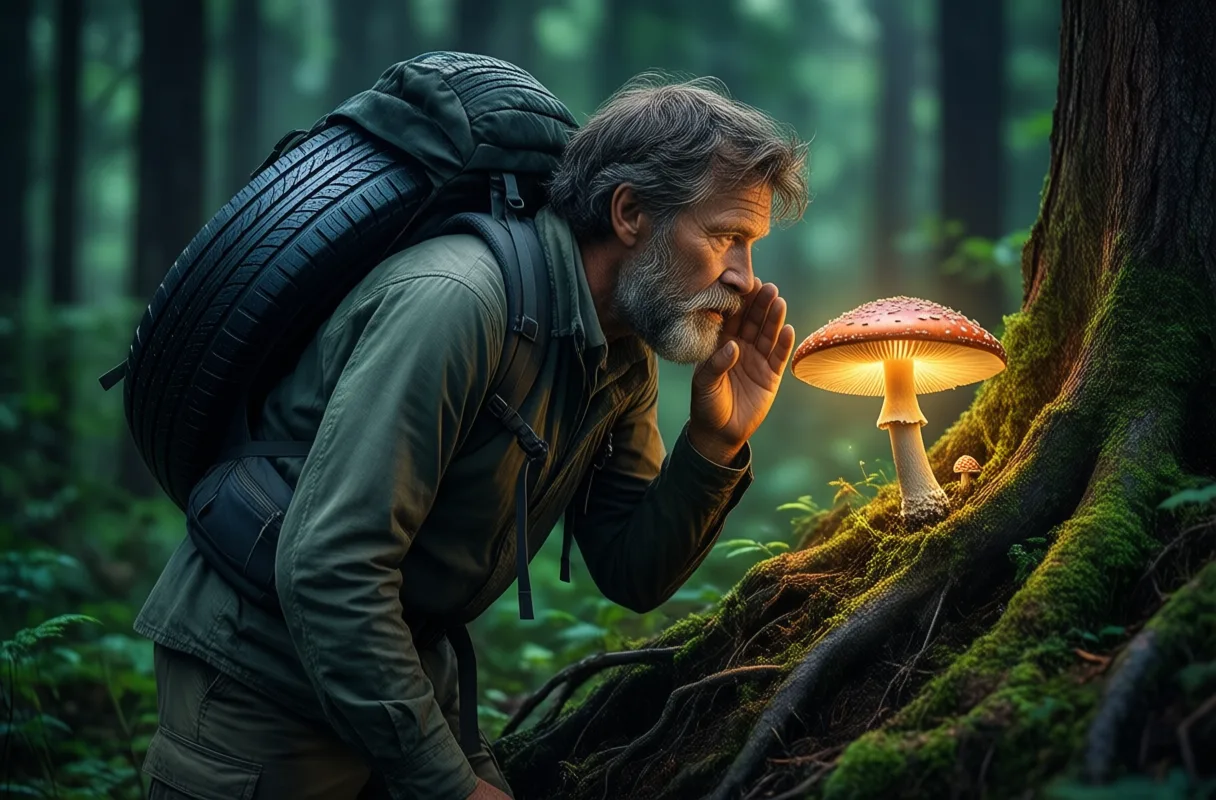
Children learn best through experience. A themed nature walk transforms a simple hike into an adventure with purpose. Whether it’s a “Detective Trail” where kids solve clues using plant and animal signs, or a “Seasons of the Forest” tour tracking changes over time, structure makes nature accessible.
These walks appeal to two powerful decision-makers: parents and teachers. Schools seek field trips that align with science standards. Parents want enriching, screen-free activities. By designing walks with learning objectives, you position your service as both fun and educational.
Consistency builds trust. Offer recurring programs-monthly walks, school-year curricula, or summer camps. Develop themed kits with checklists, magnifiers, or journals. Charge per participant or negotiate contracts with school districts.
- Themes can include animal tracking, plant identification, or ecosystem cycles
- Keep walks under two hours for younger children
- Train assistants to manage group dynamics and safety
This business thrives on word-of-mouth and institutional partnerships. Over time, you can license your curriculum or train others to deliver it in different regions.
4. Offer Gear Rental and Trail Prep Services
Not everyone owns a backpack, tent, or GPS unit-and buying high-quality gear is expensive. A rental service lowers the barrier to entry for new adventurers. Pair it with trail prep consultations, and you become a one-stop launchpad for outdoor trips.
Stock durable, well-maintained equipment for short-term use. Focus on essentials: packs, sleeping bags, cooking stoves, and navigation tools. Offer packages by activity-weekend backpacking, family camping, or winter hiking. Clean, inspect, and repair items regularly to ensure safety and longevity.
Add value through personalization. During rental, provide a brief orientation: how to adjust a pack, test a stove, or check weather conditions. Offer printed trail guides or digital checklists. Some clients may pay extra for a 15-minute planning session to discuss routes, permits, and risks.
- Start small with a garage or shed storage space
- Use online booking to manage inventory and availability
- Partner with local trails or parks for pickup/drop-off points
This model benefits from repeat use and low overhead. As demand grows, consider mobile delivery or pop-up stations at trailheads.
5. Build a Niche Photography Business in Natural Landscapes
Photography sells the dream of the outdoors. A niche business focused on natural landscapes can serve multiple markets: tourism boards, conservation groups, publishers, and private collectors. But success requires more than a good camera-it demands timing, patience, and deep environmental knowledge.
Specialize in what’s unique to your region. That could be seasonal phenomena-fog rolling over hills, wildflower blooms, or ice formations-or specific wildlife behaviors. Build a portfolio that tells a story, not just shows scenery. Clients don’t just want images-they want emotion, context, and exclusivity.
Licensing is key to scalability. Instead of selling prints alone, license your photos for use in calendars, guides, or campaigns. Offer timed exclusivity to increase value. Maintain a digital archive with detailed metadata-date, location, conditions-for future reference.
- Shoot during golden hours for optimal light
- Use weather forecasts to plan shoots
- Store backups securely and tag images systematically
Over time, you can expand into workshops, photo tours, or digital courses. The goal is to turn your lens into a revenue-generating tool across multiple streams.

6. Create Outdoor Wellness Retreats Combining Movement and Mindfulness
Stress doesn’t vanish on a trail-but perspective does. Outdoor wellness retreats blend physical activity with mental restoration. Hiking, yoga, forest bathing, and guided meditation are not add-ons; they’re integrated practices designed to reset the nervous system.
Design retreats that last one day to a weekend. Choose locations with minimal noise and visual clutter-forests, lakesides, or quiet ridgelines. Structure the schedule to balance exertion and stillness: a morning hike followed by journaling, or a sunset meditation after a nourishing meal.
Safety and comfort are non-negotiable. Work with certified instructors. Provide clear guidelines on fitness levels and medical considerations. Offer dietary options and accessible accommodations. Charge a premium for small groups-this isn’t mass tourism, it’s curated healing.
- Limit group size to 10–12 participants
- Include take-home practices to extend impact
- Collect testimonials to build credibility
Repeat clients and referrals will grow steadily. Over time, you can franchise the model or train others to lead under your brand.
7. Start a Subscription Box Curated for Outdoor Adventurers
Convenience sells. A subscription box delivers curated outdoor essentials directly to customers’ doors. But to stand out, it must offer more than random gear-it needs theme, story, and utility.
Each box could center on a season, activity, or skill. A “Spring Foraging Kit” might include a field guide, foldable basket, and water bottle. A “Winter Survival Box” could feature hand warmers, fire-starters, and a mini first-aid guide. Include a welcome note explaining the theme and how to use the items.
Retention depends on perceived value and surprise. Rotate themes quarterly. Source durable, eco-friendly products. Partner with small outdoor brands for exclusivity. Offer tiered pricing-basic, premium, family.
- Keep shipping costs low with regional batching
- Use recyclable packaging to align with customer values
- Gather feedback to refine future boxes
This model scales with automation. Over time, data on customer preferences can inform product development and marketing.
8. Develop Educational Content for Aspiring Foragers
Foraging is rising in popularity-but so are the risks. Misidentification can be dangerous. A content business that teaches safe, sustainable foraging fills a critical gap. It’s not just about what to pick-it’s about when, where, and why.
Create video courses, illustrated guides, or audio walks that cover local edible and medicinal plants. Emphasize legality, sustainability, and safety. Teach how to distinguish look-alikes, harvest ethically, and prepare plants safely. Avoid promoting rare or protected species.
Authority comes from consistency and accuracy. Update content annually to reflect seasonal changes or new regulations. Offer live Q&A sessions or plant ID challenges to build community. Monetize through course sales, memberships, or sponsorships.
- Focus on common, widespread species
- Include harvesting limits and habitat notes
- Recommend tools like field guides and apps
Over time, this content can become a trusted reference-used by beginners, educators, and even park staff.
9. Operate Mobile Food Service at Trailheads and Park Events
Hunger amplifies after a long hike. A mobile food service at trailheads or outdoor events meets a basic need with high margins. But success depends on location, timing, and menu simplicity.
Use a trailer, van, or pop-up tent to serve hot, portable meals and drinks. Focus on hearty, energizing foods: wraps, soups, trail mix, or hot cocoa. Offer vegetarian and allergy-friendly options. Keep prep time fast and waste minimal.
Permits and logistics are critical. Secure approval from park authorities or event organizers. Plan for power, water, and waste disposal. Arrive early and leave clean-your reputation depends on it.
- Rotate menus seasonally to keep offerings fresh
- Use branded packaging for visibility
- Accept digital payments for speed
This model thrives on foot traffic and repeat visits. Over time, you can expand to multiple locations or launch a branded product line.

10. Host Eco-Friendly Adventure Challenges and Races
People love goals. Adventure challenges-like trail runs, scavenger hikes, or navigation races-turn recreation into achievement. Make them eco-friendly, and you attract purpose-driven participants.
Design events that emphasize participation over competition. Use reusable bibs, digital check-ins, and waste-free aid stations. Partner with conservation groups to tie entries to tree planting or trail cleanup. Offer medals made from recycled materials.
Marketing begins with community. Promote through local clubs, outdoor retailers, and social media. Offer early-bird pricing and team discounts. Record times and post results online to build excitement.
- Limit group sizes to reduce environmental impact
- Train volunteers in safety and stewardship
- Debrief after each event to improve logistics
These events can become annual traditions-generating revenue, visibility, and goodwill.
How Regulations, Seasons, and Stewardship Shape Long-Term Success
No outdoor business operates in a vacuum. Regulations define what you can do, where, and how. Ignoring them risks fines, shutdowns, or harm to natural areas. Always research local land-use laws, permitting requirements, and environmental protections before launching.
Seasons dictate availability and demand. A summer hiking guide may struggle in winter. Build resilience by diversifying-offer indoor workshops, online courses, or gear sales during off-peak months. Understand regional weather patterns and plan accordingly.
Stewardship isn’t optional-it’s strategic. Customers value businesses that protect the places they love. Practice Leave No Trace principles, support conservation efforts, and educate clients on sustainability. This builds trust and ensures the resource base remains intact for years.
Practical First Steps, Risk Management, and Community Building
Start small. Test your idea with a pilot program-five clients, one event, a single rental package. Gather feedback, refine your model, then scale. Use low-cost tools: social media, free booking apps, and community bulletin boards.
Risk management is part of planning. Carry liability insurance. Write clear waivers. Train staff in first aid and emergency response. Have backup plans for weather, cancellations, and equipment failure.
Build community, not just customers. Host free events, collaborate with local groups, and share credit generously. The outdoors is a shared space-your business should reflect that spirit. Long-term success isn’t measured in profit alone, but in the health of the land and the people who love it.
| Business Idea | Key Features | Target Audience |
|---|---|---|
| Wildlife Viewing Expeditions | Small groups, dawn/dusk timing, ethical observation | Nature lovers, families, schools |
| Backcountry Skill Workshops | Hands-on training, tiered certification, seasonal rotation | Preppers, scouts, outdoor educators |
| Themed Nature Walks | Educational themes, under two hours, group management | Children, parents, teachers |
| Gear Rental & Trail Prep | Equipment packages, orientation, trail planning | New adventurers, weekend hikers |
| Outdoor Photography Business | Regional focus, golden hour shoots, digital archive | Publishers, conservation groups, collectors |
| Outdoor Wellness Retreats | Hiking, yoga, meditation, small groups | Stress-relief seekers, wellness clients |
| Adventure Subscription Boxes | Seasonal themes, eco-friendly products, tiered pricing | Outdoor enthusiasts, gift buyers |
Turning Trails into Profits
Guided Nature Immersion
Imagine getting paid to hike through misty forests, point out nesting birds, or explain how moss grows on the north side of trees. That’s the life of a nature guide. Some adventurers turn their knowledge into mobile classrooms, leading groups on educational walks where they learn to identify edible plants or track animal prints. These aren’t just walks-they’re experiences where curiosity leads the way, and every snapped twig tells a story.
Outdoor Gear That Works Smarter
Backpacks with built-in solar panels let hikers charge devices while soaking up the sun-literally. Lightweight, foldable stoves now boil water in under two minutes, a game-changer for climbers watching the weather shift. Even tents have evolved: some models set up in seconds and weigh less than a laptop. This gear doesn’t just make trips easier-it opens doors for businesses renting high-performance equipment to weekend explorers who want the thrill without the heavy load.
Wild Workouts and Mobile Wellness
Yoga on a lakeside dock at sunrise. Strength training in the woods using tree trunks and logs. Fitness pros are taking sessions off the mat and into the wild, where fresh air and natural scenery boost mental focus and physical energy. Some entrepreneurs run outdoor boot camps that blend trail running with bodyweight exercises, proving you don’t need a gym to get strong. The best part? Nature provides the ambiance, and clients leave feeling recharged in more ways than one. Explore more stories, videos, and creators on Loaded.
Frequently Asked Questions
What are some profitable outdoor business ideas for nature lovers?
Profitable outdoor business ideas include guiding wildlife viewing expeditions, leading backcountry skill workshops, designing themed nature walks, offering gear rental and trail prep services, and hosting eco-friendly adventure challenges.
How can I start an outdoor wellness retreat business?
Design retreats that combine hiking, yoga, forest bathing, and meditation in quiet natural settings. Work with certified instructors, limit group sizes, and provide clear safety and dietary guidelines to ensure comfort and impact.
What makes a successful wildlife viewing expedition service?
Success comes from local expertise, ethical practices, and consistent scheduling. Focus on teaching observation skills, minimize environmental impact, and offer seasonal themes to attract repeat clients.
How can I make a foraging content business safe and trustworthy?
Teach identification of common edible and medicinal plants, emphasize safety and sustainability, and avoid rare or protected species. Offer accurate, updated content and build community through live Q&As or plant ID challenges.
Not financial advice. This article is general information, not financial, investment, tax or legal advice. Talk to a qualified professional before making money decisions.
This article was produced with AI assistance. How Money Maker Magazine uses AI.
Priya investigates innovation-driven industries, from fintech to AI startups, analyzing how disruptive technologies reshape business models and create new financial frontiers. She combines deep research with forward-looking insight to guide savvy investors.