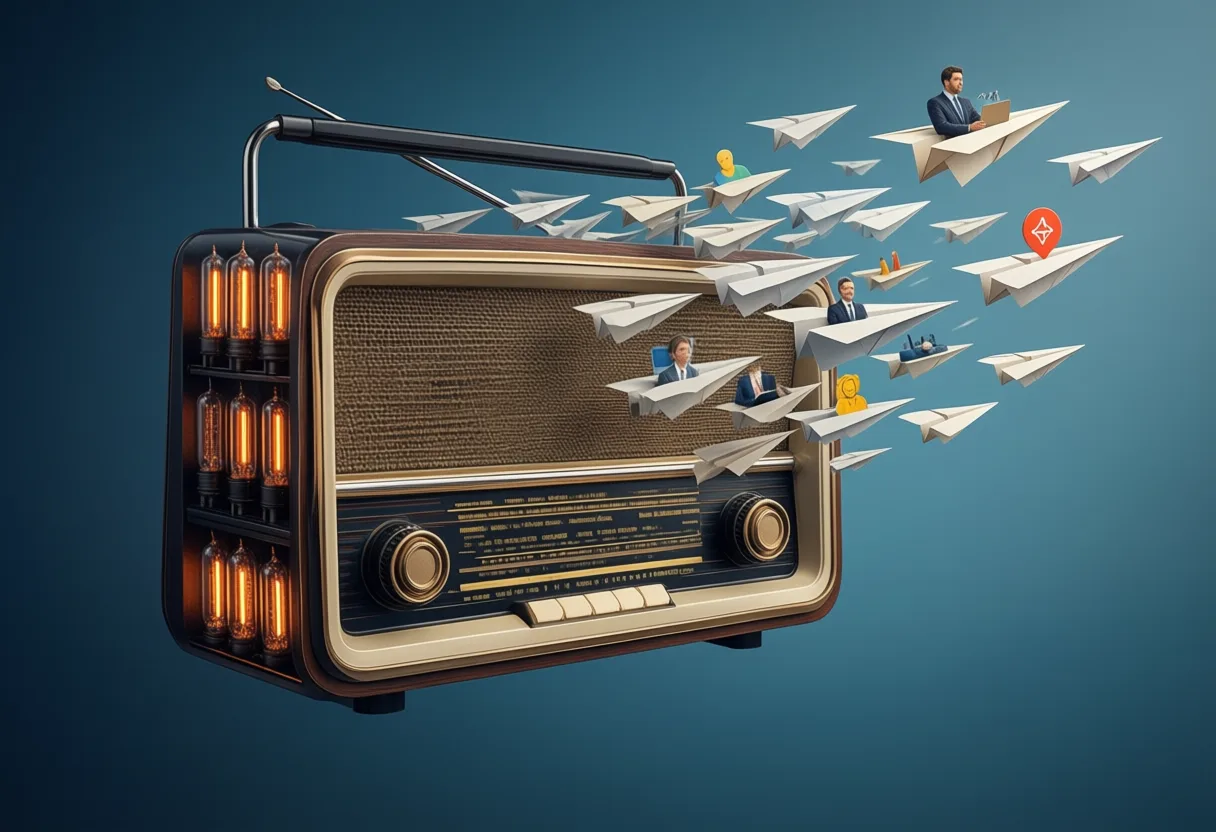
The garage is full of prototypes no one wanted. The cloud? Millions of half-built apps, abandoned. Great ideas die quietly every day-not because they’re bad, but because no one proved people would pay.
I’ve seen it too many times: a founder pours their savings, their soul, into a product they love-only to stand in silence at launch, staring at an empty inbox. Passion isn’t protection. The market doesn’t care how hard you worked. It only responds to one question: Do you solve a Real problem For real people?
Let’s fix that before you write a single line of code or order a single unit.
Why Most New Products Fail Before Launch
Most new products don’t fail in the marketplace. They fail long before-on the whiteboard, in the spreadsheet, in the quiet confidence of an entrepreneur who Assumes They know what Customers Want.
The truth? Assumptions are silent killers. They look like wisdom but act like poison. You believe your solution is elegant, necessary, even obvious. But if no one’s asking for it, elegance means nothing.
I once watched a founder spend $80,000 building a smart water bottle with hydration tracking. It looked like sci-fi. The app was slick. But after months of effort, they sold 17 units. Why? Because most people don’t need a $99 bottle to remind them to drink water. They need a $2 reusable one they don’t lose.
The Hidden Gap Between Idea and Market combust
Ideas are easy. Execution Is rare. But even execution isn’t enough if you’re building the wrong thing.
There’s a hidden gap between what you Think People want and what they Actually Want. It’s not about taste or design. It’s about behavior. People will Say They love your idea in a survey, then walk past it on the shelf.
This gap is where dreams go quiet. It’s invisible until it’s too late. The only way across? Talk to real humans before you build. Not friends. Not family. Strangers with real problems and tight wallets.
They won’t lie to you-not if you ask the right way. But you have to listen before you sell.
What Does Real Demand Look Like?
Real demand doesn’t shout. It whispers in clicks, sign-ups, and cold, Hard cash.
It’s not someone saying, “That’s cool.” It’s someone typing their email address. It’s someone clicking “buy” before the product exists. It’s someone Waiting.
Demand is behavioral. It’s not in opinions. It’s in actions. A hundred people saying “maybe” means nothing. Five people pre-paying means everything.
Think of it like rain. You can watch the sky and guess. Or you can stick out your hand. If it’s wet, it’s raining. Validation is your hand.

How Assumptions Sabotage Early Validation
We all carry assumptions. The danger isn’t having them-it’s not testing them.
You might assume your product saves time. But what if your customer values convenience more than speed? You might assume price is the barrier-but what if it’s trust?
When you skip validation, you’re not saving time. You’re betting your future on guesses.
And the worst part? The more passionate you are, the harder it is to see the cracks. Passion clouds judgment. It makes you hear “yes” when the market is saying “meh.”
Start Before You Build: Talking to Real Customers
Don’t build first. Talk first.
Find ten people who fit your ideal customer. Ask them about their day, their struggles, their workarounds. Not about your product. About their life.
Listen for pain points. Listen for repetition. If three people mention the same frustration, you’re onto something.
Ask: “How do you handle that now?”
Then: “Would you pay for a solution that fixed it?”
Then: “How much?”
You’re not selling. You’re learning. And the answers will shape everything.
Build a Minimum Viable Test, Not a Finished Product
Forget the perfect prototype. Build the smallest thing that can test your core idea.
That could be a mockup, a video, a sketch-anything that shows the value without the full cost.
I once saw a founder test a meal-planning app by hand-delivering printed plans for $10 a week. No code. No servers. Just a notebook and a minivan. Within a month, 40 people paid. That was enough to prove demand.
The goal isn’t polish. It’s proof. Can you solve a problem in a way people will pay for? That’s the only question that matters.
Use Pre-Sales to Gauge True Interest
Pre-sales are the ultimate validation. They separate curiosity from commitment.
Set up a simple page. Offer the product at a discount for early access. Collect emails. Collect payments.
If people hand over money before they’ve seen the finished product, you’ve crossed a line. You’ve moved from idea to opportunity.
But be honest. If only a few pay, don’t blame the marketing. Blame the offer. Either the problem isn’t painful enough, or your solution doesn’t stand out.
Leverage Landing Pages to Measure Clicks and Sign-Ups
A landing page is a silent salesperson. It works 24/7, and it never lies.
Put up a clean page describing your product and its benefit. Add an email capture. Drive traffic. Watch what happens.
If 1,000 people visit and 5 sign up, you’ve got work to do. If 100 sign up, you’ve got momentum.
Track conversion rates. That’s your signal. A 1% sign-up rate might be normal for some industries. 10%? That’s fire.
And remember-traffic without targeting is noise. You want the right eyes.

Run Targeted Ads to Validate Interest with Real Spend
Put money behind your message. Not much-just enough to test.
Run small ad campaigns on social platforms. Target your ideal customer by interest, job, or behavior.
Then watch the data. How much does each click cost? How many people sign up? What’s the cost per lead?
If you’re spending $5 per sign-up and customers are worth $50, you’ve got a model. If you’re spending $50 per sign-up, you’ve got a problem.
Ads don’t lie. They tell you what people value, in real dollars.
Test Pricing Sensitivity Early and Often
Price isn’t just a number. It’s a signal.
Too low? People assume it’s junk. Too high? They assume it’s not for them.
Test different price points early. Offer the same product at $29, $49, and $79. See what converts.
You’ll learn more from pricing tests than from focus groups. People reveal their priorities with their wallets.
And don’t be afraid to adjust. The right price today might not be right tomorrow.
Watch Behavior, Not Just Feedback
Feedback is polite. Behavior is honest.
People will tell you they love your idea to be nice. But if they don’t click, don’t sign up, don’t pay-then they don’t care.
Don’t ask, “Would you buy this?” Ask, “Will you buy this Now?” The second question gets real answers.
Track actions: time on page, scroll depth, button clicks. These are the quiet whispers of interest.
The Myth of the “Great Idea”
The world doesn’t need more great ideas. It’s drowning in them.
What it needs are Tested Ideas. Ideas that solve real problems for real people.
An idea alone is worthless. It’s the validation that gives it value.
I’ve met dozens of founders with “the next big thing.” But the ones who succeed? They’re the ones who doubted themselves early-and tested anyway.

Why Passion Isn’t Enough to Sustain a Business
Passion gets you started. Data keeps you going.
You can love your product with every fiber. But if no one’s buying, passion turns to debt.
The market isn’t cruel. It’s indifferent. It rewards solutions, not sentiment.
Love your idea, but don’t marry it. Stay ready to change it-fast.
From Data to Decision: Interpreting Your Results
Data doesn’t tell you what to do. It tells you what’s True.
If sign-ups are low, the problem might not be your message. It might be your market. If pre-sales are strong, double down. If they’re weak, dig deeper.
Ask:
- Is the problem real?
- Is our solution clear?
- Is the price right?
- Are we reaching the right people?
Pivot fast. That doesn’t mean quit. It means adapt. Change the offer. Change the audience. Change the price.
When to Pivot, Proceed, or Pull the Plug
Three paths: pivot, proceed, or pause.
Pivot if the data shows interest but not conversion. Maybe the price is off. Maybe the benefit isn’t clear.
Proceed if people are signing up, paying, sharing. That’s your green light. Scale carefully.
Pause if no one’s responding. Don’t double down on silence. Go back. Talk to customers again. Start over.
The smartest move isn’t always forward. Sometimes it’s back to the drawing board-with better questions.
Next Steps: Turning Validation Into Action
Validation isn’t a one-time test. It’s a habit.
Start small. Test fast. Learn faster. Build only what the data supports.
Your first version doesn’t need to be perfect. It needs to be real.
Talk to customers. Run a landing page. Try pre-sales. Watch the numbers. Then decide-what’s next?
Because the best business ideas aren’t born in silence. They’re forged in conversation, tested in the wild, and shaped by the truth.
| Method | What It Measures | Key Action |
|---|---|---|
| Customer Interviews | Pain points and current workarounds | Ask about struggles, not your idea |
| Landing Page | Clicks and email sign-ups | Track conversion rates from traffic |
| Pre-Sales | Willingness to pay | Collect payments before building |
| Targeted Ads | Interest and cost per lead | Run small campaigns to ideal users |
| Fake 'Buy Now' Button | Purchase intent | See who clicks, then ask if serious |
| Pricing Tests | Price sensitivity | Offer same product at different prices |
Testing the Waters Before You Dive In
The Power of Pretending It Exists
Ever heard of selling a product that doesn’t actually exist yet? It’s not magic, it’s validation. One clever way to test demand is by setting up a simple landing page describing your idea and asking people to sign up or even pre-pay-before you’ve built anything. If hundreds show interest or open their wallets, you’ve got real proof people want it. This trick saved countless entrepreneurs from wasting months building something nobody buys.
Learning From Lemonade Stands (Seriously)
Some of the best business ideas start small. Think about a kid testing lemonade flavors on the block-offering samples, watching what sells out first, adjusting the recipe. That’s basic product validation! Scaling up, companies often run low-cost ads for different versions of an idea to see which one gets more clicks. It’s like market research without the lab coat, showing exactly what grabs attention before spending big.
Why Fake Buttons Are Your Friend
In early testing, some smart founders add fake “Buy Now” buttons to their mock-up websites. When users click, they get a polite message explaining the product isn’t ready yet-but are asked if they’d really buy it. The number of people who say yes gives a clear signal. No code, no inventory, just honest feedback. It’s sneaky, simple, and shows whether excitement turns into intent. Explore more stories, videos, and creators on Loaded.
Frequently Asked Questions
How can I test if people want my product before building it?
Talk to real customers about their problems before mentioning your idea. Build a minimum viable test like a landing page or mockup. Use pre-sales or collect sign-ups to see if people take action.
What is the best way to validate demand for a business idea?
Pre-sales are the strongest form of validation. If people pay before the product exists, it shows real demand. Landing pages, targeted ads, and fake buttons can also measure interest through behavior.
Why do most new products fail before launch?
Most products fail because founders assume they know what customers want without testing. Assumptions create a gap between the idea and real market needs, leading to solutions no one actually wants.
How do I know if I should pivot or proceed with my business idea?
Proceed if people are signing up, paying, or sharing. Pivot if there's interest but no conversion. Pause if there's no response and go back to talk to customers again.
Not financial advice. This article is general information, not financial, investment, tax or legal advice. Talk to a qualified professional before making money decisions.
This article was produced with AI assistance. How Money Maker Magazine uses AI.
Diego explores the intersection of culture and commerce, reporting on how trends in travel, fashion, and dining shape consumer behavior and investment opportunities. His work reveals the economic engines behind everyday indulgences.