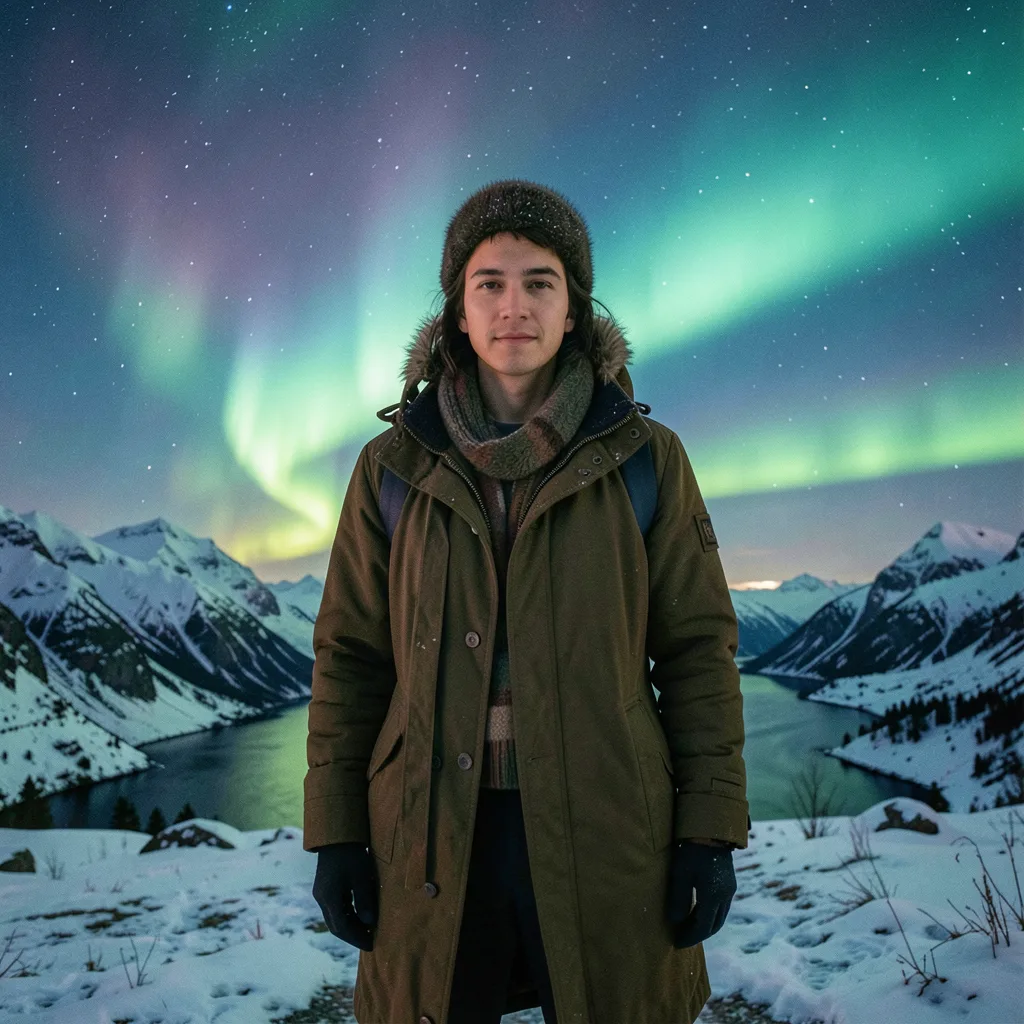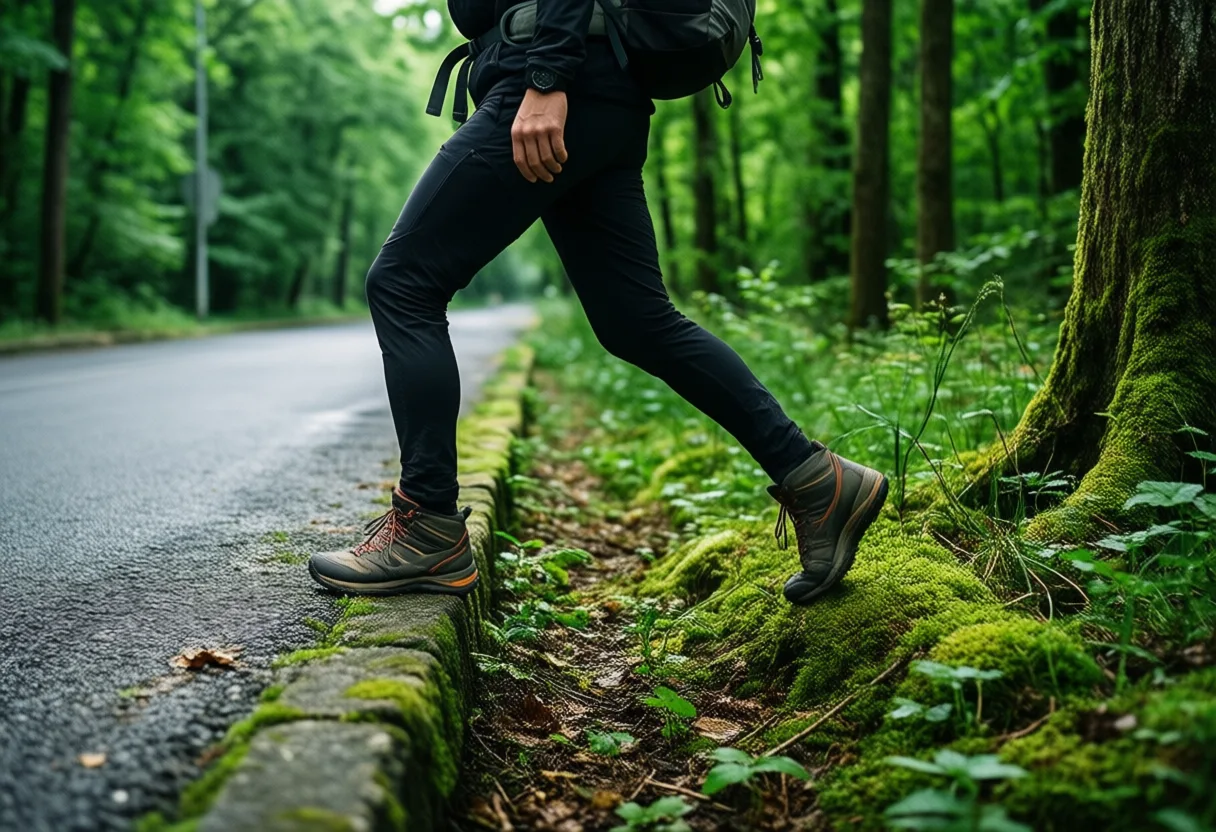
The trail begins where the pavement ends-just past the old ranger outpost, the gravel gives way to packed earth, soft underfoot and dappled with sunlight. Here, the air smells of pine resin and damp stone, and the only sounds are the distant call of a jay and the whisper of wind through the canopy. This is where the noise of daily life fades, replaced by a rhythm older than markets, older than money: the quiet pulse of the wild.
For those seeking clarity as much as escape, places like the Forrester Wilderness aren’t just retreats-they’re Strategic resets. In an economy that never sleeps, the ability to Step away, to recalibrate, is a rare and valuable skill. Just as Warren Buffett values long-term thinking over short-term noise, so too can we benefit from trading screen time for trail time-measuring returns not in quarterly gains, but in mental resilience.

The Hidden Value of Unplugged Time
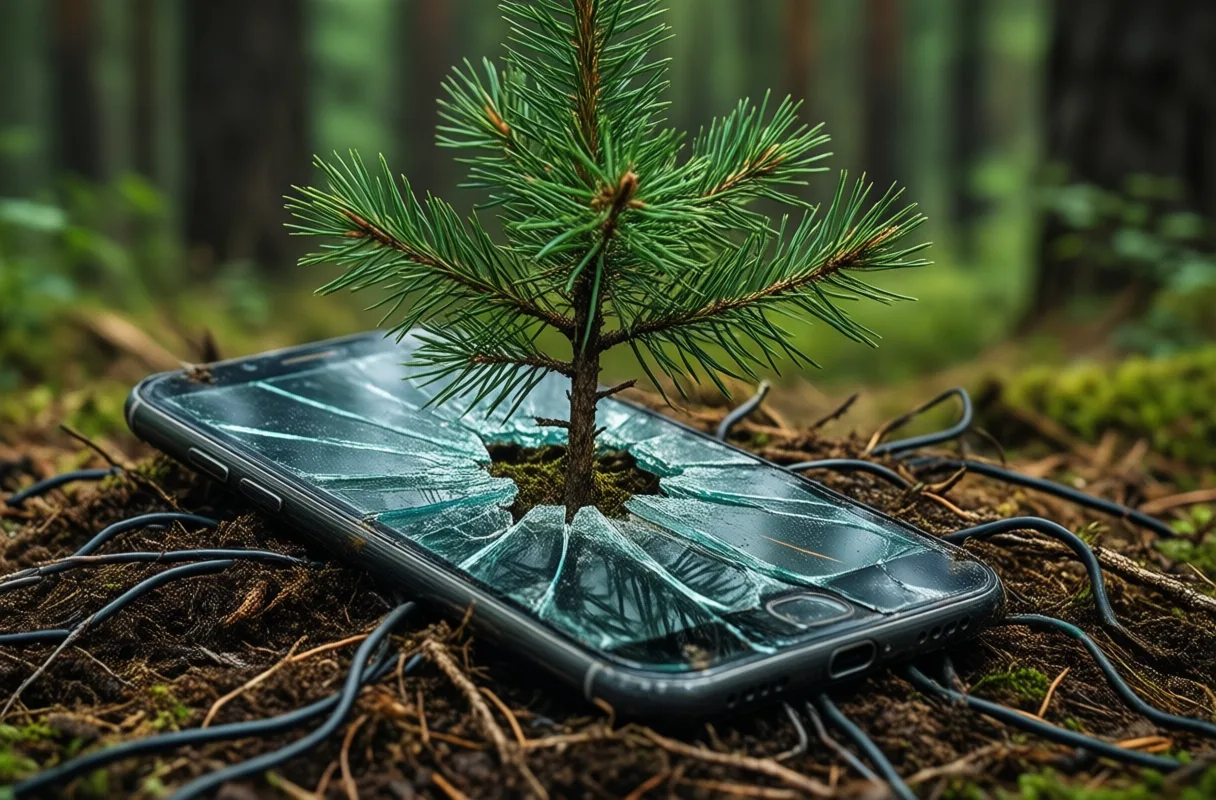
In a world optimized for constant connection, solitude is undervalued. Yet, like a well-diversified portfolio, a balanced life includes assets that don’t trade daily. Time spent in Nature Isn’t idle-it’s an investment in focus, creativity, and emotional stability.
Consider the parallels between market volatility and trail conditions. A Sudden storm, a washed-out bridge-both demand adaptability and patience. These are not distractions from productivity but training grounds for it. The ability to navigate uncertainty without panic is a skill honed in quiet forests as much as in boardrooms.
- Slowing down improves decision-making.
- Natural environments reduce cognitive fatigue.
- Unstructured time fosters innovative thinking.
Just as Ray Dalio emphasizes understanding underlying economic cycles, so too must we recognize the cycles of human energy. Rest is not the opposite of progress-it’s the foundation. The most successful investors don’t react to every blip; they watch trends, wait, and act with conviction. The same discipline applies on the trail and at the desk.
What the Trail Teaches About Risk and Reward
Every hike carries risk-a twisted ankle, a missed turn, a drop in temperature. But eliminating risk means staying indoors, and that comes with its own costs: stagnation, burnout, diminished returns on life. The smart approach isn’t avoidance-it’s preparation and awareness.
Carrying a map, packing extra layers, knowing your limits-these are the equivalents of diversification and due diligence. You don’t need the most expensive gear to make a sound investment in safety. What matters is understanding your exposure and adjusting accordingly.
- Assess conditions before committing.
- Carry only what you need-but nothing less.
- Progress isn’t measured by speed, but by sustainability.
The best outcomes often come from patience. A sudden sprint up a steep ridge leads to exhaustion. A steady pace, matched to terrain and stamina, gets you farther. In finance, compounding works the same way-small, consistent actions, repeated over time, yield disproportionate results. The trail rewards those who respect its rhythm.
Why Scenic Trails Are More Than Just Scenery
Beauty isn’t frivolous. The sight of a ridge at sunrise, the stillness of a mountain lake-these moments recalibrate the soul. And a clear mind is a more productive one. Companies pay for retreats, consultants, wellness programs to achieve what a five-mile hike delivers for free.
The Forrester Wilderness doesn’t offer Luxury lodges Or Wi-Fi hotspots. It offers something rarer: uninterrupted presence. In that space, ideas emerge. Problems untangle. Decisions clarify. It’s no coincidence that some of the best business insights come not in meetings, but on footpaths.
When you walk for hours without a single notification, you begin to notice patterns-how light shifts, how weather changes, how your body responds to elevation. These observations build a kind of intelligence that spreads into other areas: sharper instincts, better judgment, a deeper sense of timing.
In the end, the wilderness doesn’t give you answers. It creates the conditions where you can hear your own. And in an age of endless noise, that might be the most valuable return of all.
A Hidden Gem in the Backcountry
Surprising Elevations and Ancient Trees
Tucked away in a rugged stretch of California’s southern Sierra Nevada, the Forrester Wilderness surprises hikers with its dramatic shifts in elevation. Trails here can climb from around 5,000 feet all the way up to nearly 12,000 feet, offering quick transitions from oak-dotted foothills to alpine peaks dusted with snow well into summer. This steep rise supports an unusual mix of plant life-gnarled Jeffrey pines cling to rocky slopes while lush meadows burst with wildflowers like lupine and paintbrush after spring runoff.
One standout feature is the presence of old-growth red fir forests that have never seen a saw. These quiet stands, often blanketed in mist during morning hours, are home to elusive wildlife such as the Northern goshawk And Pacific marten. Few visitors realize that some of these trees are over 300 years old, quietly growing in near-total isolation due to the area's lack of maintained trails and remote access points.
Solitude by Design
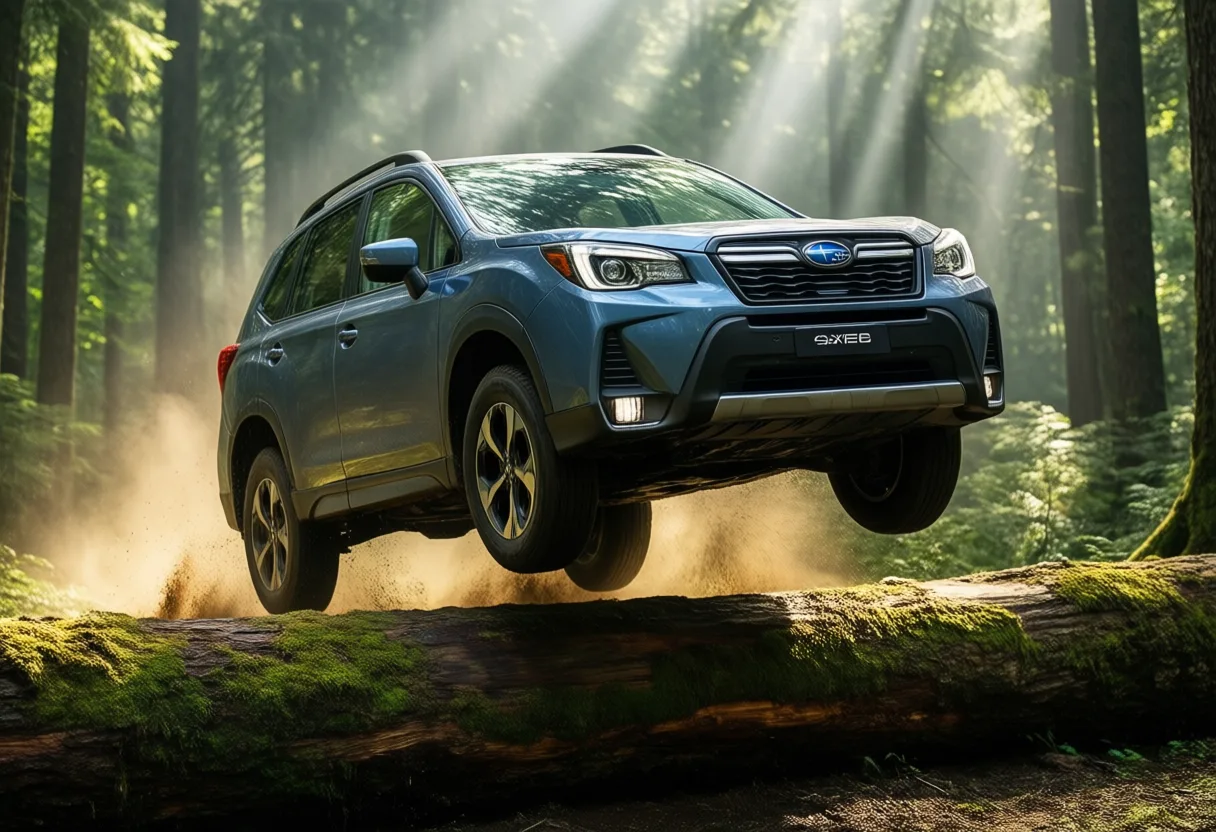
Unlike busier wilderness areas nearby, Forrester sees only a trickle of visitors each year. There are no trailheads with signs or kiosks-just rough dirt roads that require high-clearance vehicles to reach starting points. Once on foot, hikers often go days without seeing another soul, thanks to the absence of through-trails and challenging cross-country navigation. The silence here isn’t just noticeable-it’s profound, broken only by wind through pine boughs or the occasional call of a distant coyote. Because it remains one of California’s least-visited wilderness zones, much of what lies within is still mapped more by animal paths than human routes. Explore more stories, videos, and creators on Loaded.
Frequently Asked Questions
What makes the Forrester Wilderness unique compared to other hiking areas?
The Forrester Wilderness offers dramatic elevation changes, old-growth red fir forests, and profound solitude due to its remote access and lack of maintained trails.
How does spending time in the Forrester Wilderness benefit mental clarity and decision-making?
Unplugged time in nature reduces cognitive fatigue, fosters innovative thinking, and creates space for problems to untangle and decisions to clarify.
What kind of wildlife can be found in the Forrester Wilderness?
The area is home to elusive species such as the northern goshawk and Pacific marten, supported by its undisturbed old-growth forests and rugged terrain.
Why is the Forrester Wilderness so rarely visited?
It has no marked trailheads or kiosks, requires high-clearance vehicles to reach starting points, and lacks through-trails, making access difficult and navigation challenging.
Not financial advice. This article is general information, not financial, investment, tax or legal advice. Talk to a qualified professional before making money decisions.
This article was produced with AI assistance. How Money Maker Magazine uses AI.
Diego explores the intersection of culture and commerce, reporting on how trends in travel, fashion, and dining shape consumer behavior and investment opportunities. His work reveals the economic engines behind everyday indulgences.