Choosing the right White wine For both cooking and sipping isn’t about luxury-it’s about leverage. The best bottles deliver maximum flavor impact in a dish while still offering enough balance to enjoy solo. A smart selection saves money, reduces waste, and sharpens your kitchen strategy.
What Makes a Dry White Wine Ideal for Both Cooking and Sipping?
The ideal dry white wine pulls double duty without compromise. It must be stable in Flavor, high in acidity, and free of overpowering sweetness or oak influence. When reduced in heat, these traits concentrate rather than collapse, preserving brightness in sauces and depth in reductions.
Acidity acts as the backbone. Wines with strong acid structure maintain their integrity when simmered, cutting through fats and enhancing other ingredients instead of fading. This same crispness makes them Refreshing To drink, especially when served chilled.
Body and alcohol level also matter. Light- to medium-bodied Wines integrate Smoothly into dishes without dominating, just as they pair easily with food at the table. Heavy, buttery styles can overwhelm delicate proteins and lose elegance when cooked.
Three core characteristics define versatility: - High acidity For brightness in cooking and drinking - Neutral or clean Fruit profile To avoid clashing with spices or herbs - No residual sugar To prevent caramelization or bitterness when reduced
These aren’t arbitrary preferences-they’re functional requirements. Much Like Investing in a diversified asset, choosing a multi-role wine spreads utility across use cases. The return? Fewer open bottles, less spoilage, and sharper results in the kitchen.
Why Some Bottles Work Double Duty in the Kitchen and at the Table
Not every wine is built for two roles. Many are too oaky, too sweet, or too fragile to survive heat. But certain varietals possess an inherent resilience-structural soundness that holds up under fire and on the palate.
Versatility stems from balance, not boldness. The most effective cooking-and-sipping wines don’t shout; they support. They enhance a risotto without stealing focus, then deliver quiet refreshment in a glass. This duality mirrors a low-volatility stock: steady, reliable, and consistently useful.
Think of it as culinary hedging. Keeping one dependable bottle on hand protects against last-minute recipe changes, unexpected guests, or pantry gaps. You’re not betting on a single outcome-you’re preparing for multiple scenarios.
Consider the cost of inefficiency: - Buying separate bottles for cooking and drinking increases spending - Poor-quality “cooking wine” introduces off-flavors and sodium - Overpowering wines mask ingredients instead of elevating them
A well-chosen dry white avoids all three pitfalls. It performs cleanly in reduction sauces, deglazes pans effectively, and remains pleasant when poured neat. That’s operational efficiency in liquid form.
Sauvignon Blanc: Crisp, Bright, and Unapologetically Refreshing
Sauvignon Blanc stands out for its razor-sharp acidity and vibrant citrus notes. These traits make it a natural fit for dishes where freshness matters-especially seafood, goat cheese, and herb-forward preparations.
When used in cooking, its zesty character carries through reductions without turning flat. A splash in a pan sauce for seared scallops lifts the dish, adding dimension without competing. The same qualities make it ideal for sipping alongside light appetizers or summer salads.
Its aromatic profile-often leaning into grapefruit, lime, and green herbs-complements rather than dominates. Unlike richer whites, it doesn’t coat the palate, allowing layered flavors in food to emerge.
Why it works double duty: - High acid content preserves flavor during heating - Lean body integrates into sauces seamlessly - Herbaceous notes mirror common seasoning ingredients
In the glass, it delivers immediate refreshment. No need to reserve a special bottle for the stove-this one transitions effortlessly from counter to table.
Pinot Grigio: Light, Neutral, and Surprisingly Adaptable
Pinot Grigio often gets dismissed as bland, but its neutrality is precisely what makes it valuable. With mild fruit tones and minimal oak, it blends into dishes without altering their direction.
This adaptability shines in delicate preparations like poached fish, light pasta sauces, or steamed mussels. It adds moisture and subtle complexity without introducing aggressive flavors. The result is clean, balanced cuisine-nothing masked, nothing distorted.
For sipping, it serves as a blank canvas. On a hot afternoon, its light body and easy finish make it a go-to for casual moments. It won’t impress connoisseurs, but it satisfies functionally-much like a utility player on a championship team.
Strengths for dual use: - Low aromatic intensity prevents flavor clashes - Moderate acidity supports digestion and sauce structure - Widely available and typically affordable
It’s not flashy, but it’s reliable. In financial terms, think of it as cash in the portfolio-low return, high liquidity, essential for smooth operations.
Dry Riesling: A Misunderstood Star with Perfect Sweet-Savory Control
Dry Riesling is frequently mistaken for sweet wine, but true dry versions offer precision and tension. Their hallmark is a balance between bright acidity and subtle stone fruit-peach, apricot, sometimes a hint of flint.
This contrast makes them exceptional with spicy food. When used in marinades or glazes, they temper heat while adding depth. A touch in a Thai-inspired curry or German-style pork tenderloin bridges sweet and savory without tipping the scale.
In cooking, their resilience under heat comes from structural integrity. Unlike some whites that break down, dry Rieslings maintain their composure, contributing nuance without overwhelming.
Key advantages: - Natural acidity cuts through rich or fatty dishes - Stone fruit notes enhance fruit-based chutneys or reductions - Minimal intervention in winemaking preserves purity
As a sipping wine, it rewards attention. Its layered profile unfolds slowly, making it ideal for thoughtful dining. One bottle can handle everything from stir-fries to charcuterie boards.

Verdicchio: The Italian Secret for Briny Complexity and Structure
Verdicchio, native to Italy’s Marche region, is an underrated performer. It offers a distinct saline edge-like a sea breeze captured in glass-alongside firm acidity and almond-like bitterness on the finish.
That briny quality enhances shellfish dishes remarkably. A splash in a mussel broth amplifies oceanic notes, creating harmony rather than competition. It also works beautifully in creamy risottos, where its acidity offsets richness.
Its slight tannic grip (rare in white wines) gives it staying power. When reduced, it doesn’t vanish-it concentrates, lending backbone to sauces that might otherwise feel one-dimensional.
Why it’s a hidden gem: - Salinity complements seafood naturally - Medium body provides presence without weight - Age-worthy structure means it lasts longer once opened
Few outside Italy recognize it, but those who do often keep a bottle ready. It’s the dark horse of dual-purpose whites-unassuming until called upon, then utterly effective.
Chardonnay (Unoaked): Stripped-Down Elegance That Complements Rather Than Dominates
Chardonnay has a reputation for being heavy, but unoaked versions tell a different story. Without buttery malolactic treatment or barrel influence, they reveal a lean, apple-driven profile with crisp acidity.
This style integrates flawlessly into dishes where subtlety matters. Use it in a chicken piccata or a light cream sauce-the wine enhances, never overpowers. The absence of oak means no vanilla or toast notes interfere with savory elements.
For sipping, it’s clean and direct. Not as zingy as Sauvignon Blanc, not as neutral as Pinot Grigio, it occupies a middle ground-ideal for poultry, roasted vegetables, or soft cheeses.
What to look for: - Label terms like “unoaked,” “steel-aged,” or “sur lie” (if aged on lees without barrels) - Green apple, lemon zest, or pear aromas-not tropical fruit or coconut - Alcohol below 13.5% to ensure balance
Avoid the butter bombs. Those are great on their own but fail in the pan. The stripped-down version is the workhorse you want.
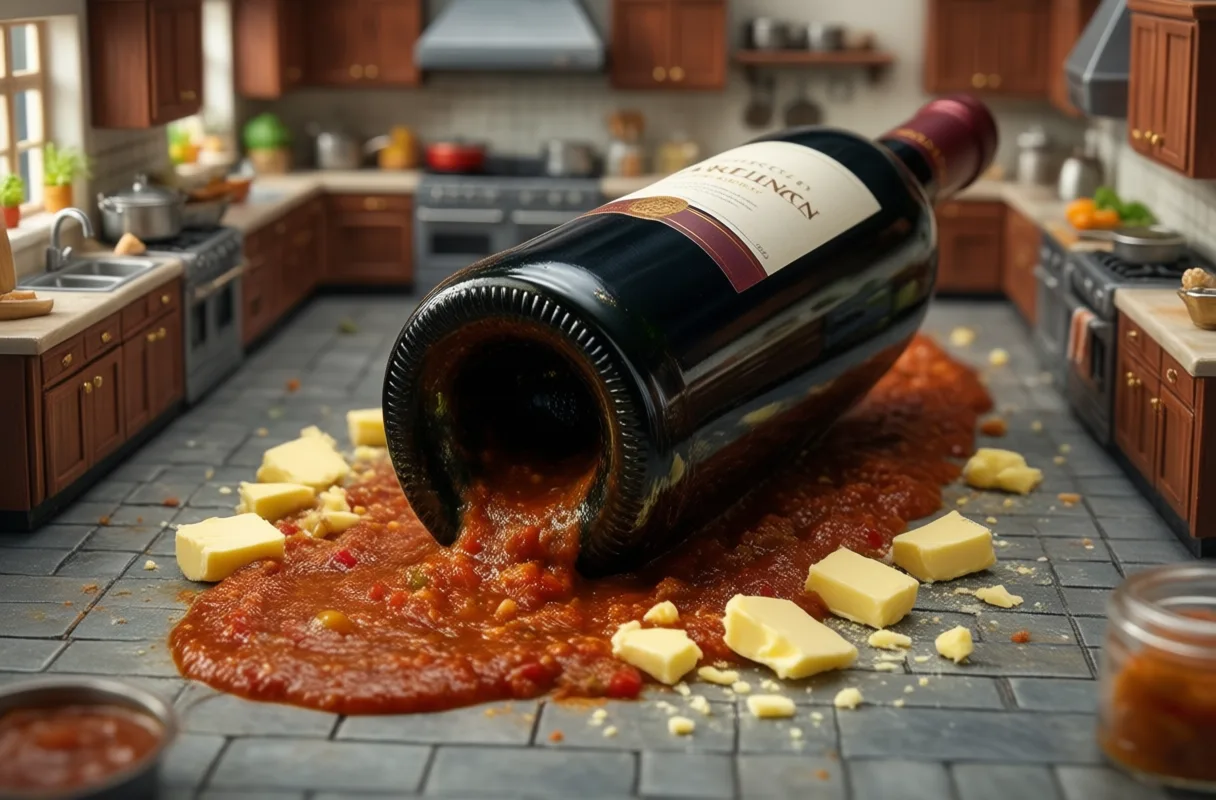
Odds You’re Overcooking with Wine-And How to Avoid Common Pitfalls
Many home cooks assume any wine will do, or worse, rely on “cooking wine” from the supermarket. These products often contain salt, preservatives, and artificial flavors-A shortcut that undermines quality.
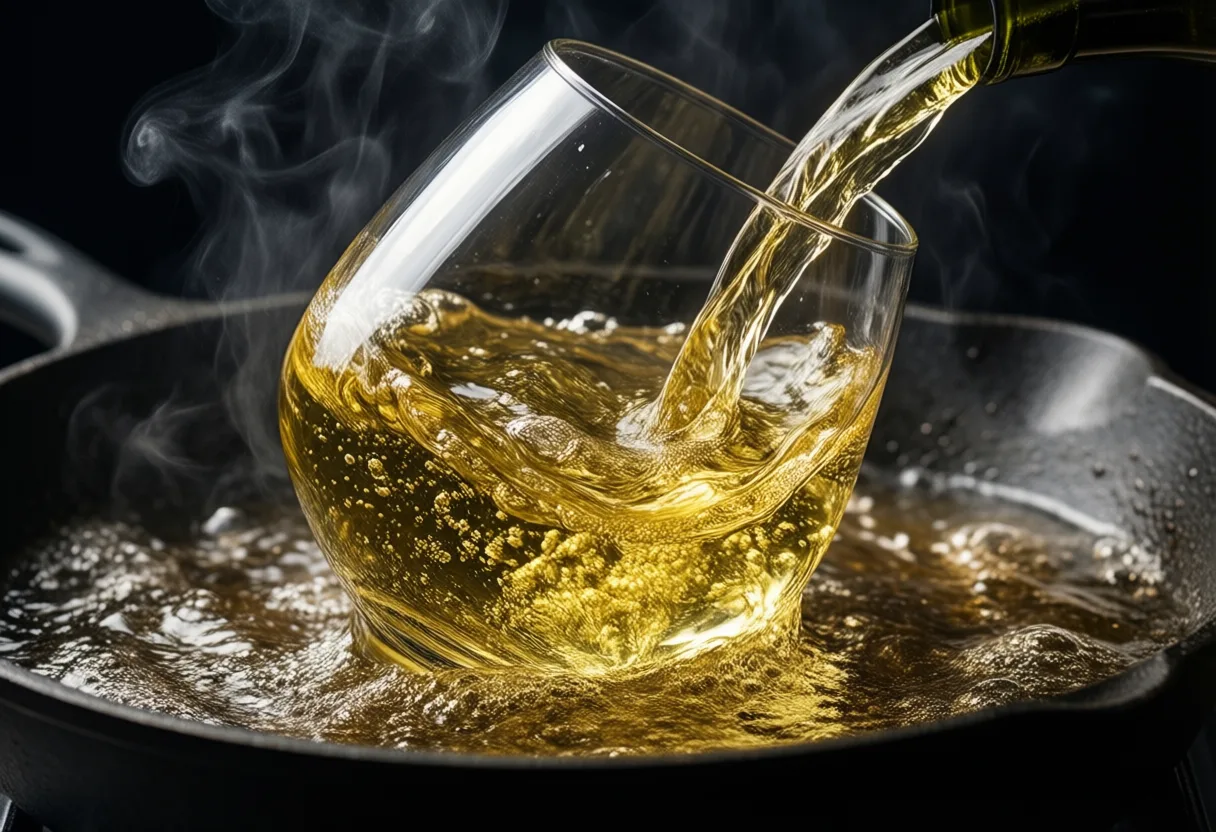
Heat transforms wine rapidly. Boiling too long drives off volatile aromas and concentrates bitterness. The key is timing: add wine early enough to cook out alcohol, but not so early that all nuance vanishes.
A better approach: - Deglaze with a moderate pour after browning meat - Simmer uncovered for 5–7 minutes to reduce and meld flavors - Taste before finishing-adjust seasoning only after alcohol burns off
Another myth: “only cook with wine you’d drink.” While sensible, it’s incomplete. The real rule is Use wine that’s structurally sound, whether or not it’s exciting to sip. A flawed but acidic wine may outperform a delicious but low-acid one.
Also, never cook with an oxidized or corked bottle. Off-flavors don’t disappear with heat-they intensify. When in doubt, smell and taste first.
Matching Your Bottle to the Dish: A Practical Guide to Pairing Logic
Pairing wine to food isn’t magic-it’s alignment. Match intensity, acidity, and dominant flavors to create synergy, whether the wine stays in the glass or goes into the pot.
Start by categorizing the dish: - Light & delicate (steamed fish, risi e bisi): Pinot Grigio, Verdicchio - Rich & creamy (fettuccine Alfredo, chicken in sauce): Unoaked Chardonnay, dry Riesling - Herb-heavy or citrusy (grilled shrimp with lemon, tabbouleh): Sauvignon Blanc - Spicy or aromatic (Thai curry, mustard-glazed pork): Dry Riesling - Briny or umami-rich (mussels, clams, anchovy dressing): Verdicchio, Sauvignon Blanc
The same logic applies when serving wine alongside. A dish made with dry white should ideally be paired with a similar style at the table-continuity enhances the experience.
Remember: cooking doesn’t change pairing rules. It intensifies them. A mismatch in the pan becomes a bigger problem on the plate.
The Final Pour: Choosing One Bottle That Fits Both Roles Without Compromise
So what is a good white dry wine for cooking and sipping? The answer isn’t one name-it’s a set of criteria. Look for High acidity, low sugar, minimal oak, and a clean profile.
Among the top contenders, Sauvignon Blanc and unoaked Chardonnay lead for reliability. Pinot Grigio wins for accessibility. Dry Riesling and Verdicchio offer niche brilliance.
But the winning strategy isn’t chasing perfection-it’s consistency. Keep one versatile bottle on standby. Treat it like emergency capital: available, functional, and ready to deploy.
In the end, the best wine does more with less. It simplifies decisions, reduces clutter, and elevates outcomes-both in the kitchen and beyond. That’s not indulgence. That’s smart resource management.
A Sip Beyond the Sauce
Why Dry Whites Shine in the Kitchen and Glass
Dry white wines bring brightness to both cooking and sipping, thanks to their crisp acidity and subtle flavors. Unlike sweet wines, which can caramelize too quickly or throw off a dish’s balance, dry varieties enhance without dominating. That same clean profile makes them refreshing to drink on their own, especially when chilled on a warm day. Think of them as the quiet heroes-unobtrusive but essential.
The Science of Sizzle and Sip
Acidity is the secret weapon in a good dry white. It cuts through rich sauces, lifts the flavors in seafood, and keeps dishes from tasting flat. In your glass, that same zing makes every sip feel lively and refreshing. Wines with higher acidity tend to age better too, maintaining their character over time. And here’s a fun twist: the very compounds that give white wines their tartness also help preserve food when used in marinades-nature’s way of multitasking.
From Vine to Pan to Palate
Many top dry whites come from cooler climates, where grapes ripen slowly and retain their natural acidity. This slow development leads to more nuanced flavors-think green apple, citrus, or wet stone-without excess sugar. When cooking, these delicate notes can elevate a simple pan sauce into something memorable. And since you’re using wine in the dish, always pick one you’d happily drink; if it’s not good enough for the glass, it’s not good enough for the pot. Explore more stories, videos, and creators on Loaded.
Frequently Asked Questions
What makes a white wine good for both cooking and sipping?
High acidity, low sugar, minimal oak, and a clean profile allow the wine to enhance dishes and remain refreshing to drink.
Which white wines are best for cooking and drinking?
Sauvignon Blanc, unoaked Chardonnay, Pinot Grigio, dry Riesling, and Verdicchio are top choices for dual use.
Why should you avoid cooking wine from the supermarket?
Supermarket cooking wine often contains salt, preservatives, and artificial flavors that undermine dish quality.
How does acidity benefit wine in cooking and drinking?
Acidity preserves flavor during cooking, cuts through fats, and provides a lively, refreshing taste when sipped.
Not financial advice. This article is general information, not financial, investment, tax or legal advice. Talk to a qualified professional before making money decisions.
This article was produced with AI assistance. How Money Maker Magazine uses AI.
Priya investigates innovation-driven industries, from fintech to AI startups, analyzing how disruptive technologies reshape business models and create new financial frontiers. She combines deep research with forward-looking insight to guide savvy investors.