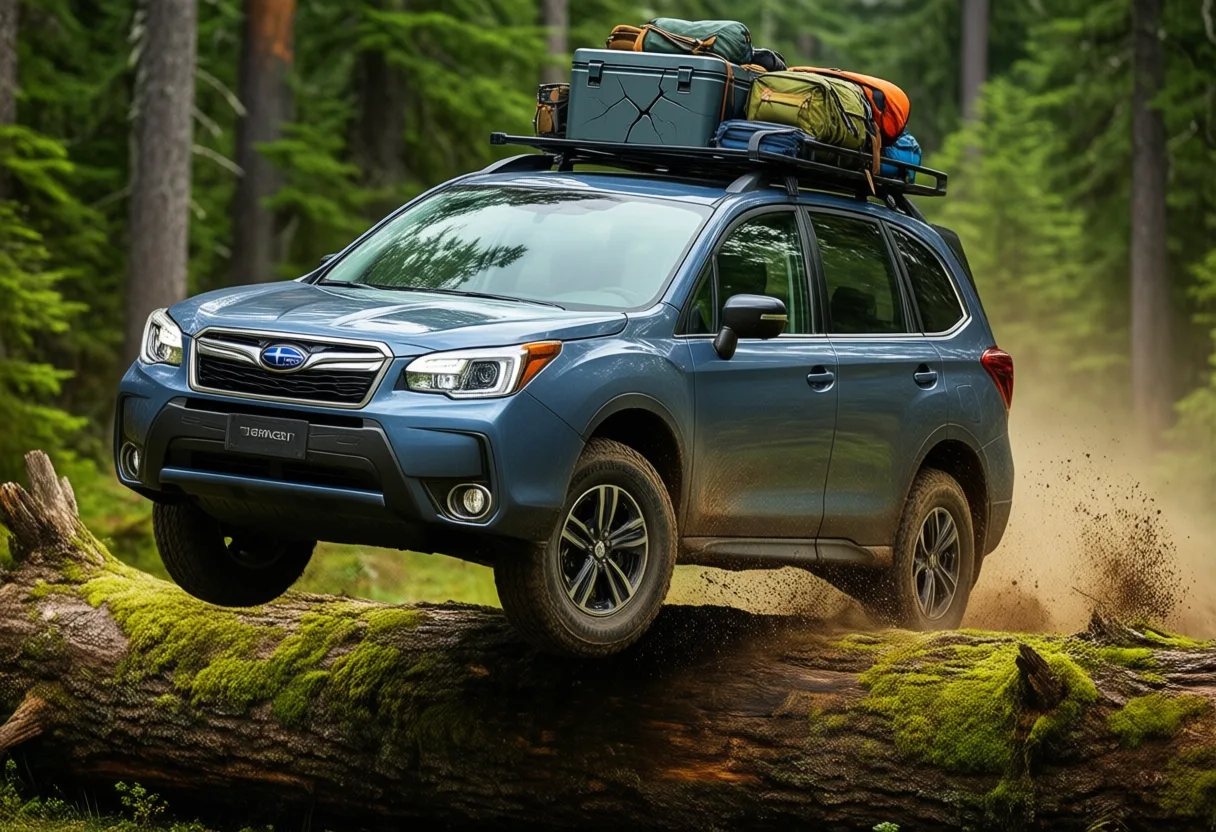
You’re stuck in traffic, windows down, the scent of rain on hot pavement rising through the city. Your back aches from yesterday’s hike, your dog snores in the backseat, and the grocery bags are starting to tip over. You need a Vehicle That doesn’t make you choose between comfort and common sense. That’s where the quiet revolution in compact SUV design comes in-offering Real utility without the bulk.
These aren’t the gas-guzzling, garage-dominating machines of the past. Today’s smaller SUVs blend smart engineering with thoughtful layouts, giving drivers more flexibility than ever. They’re not just popular-they’re proving to be One of the smartest long-term purchases In a market shifting Toward efficiency And adaptability.
What Drivers Overlook About Compact SUVs
Most people think going smaller means giving something up. But in the world of SUVs, downsizing often means upgrading your daily experience. Compact models now deliver the ride height and confidence of their larger siblings, without demanding extra space in your driveway or extra trips to the pump.
What many overlook is how much control these Vehicles offer. Their tighter turning radius makes parallel parking less of a chore, and their lighter weight improves braking response. You’re not just saving fuel-you’re gaining precision in stop-and-go traffic and narrow side streets.
These SUVs also tend to come with more standard features at lower price points. Without the cost of extra rows or massive engines, manufacturers can include advanced driver aids and Quality interior Materials even in base trims. That means Better value from day one, not just down the road.
- Improved visibility from a higher seat position
- Easier access for passengers with mobility concerns
- Less strain on suspension and tires in urban environments
It’s not about shrinking your expectations. It’s about matching your vehicle to the way you actually live-commuting, running errands, weekend escapes-without overengineering the solution.
The Hidden Trade-Off Between Size and Capability
Bigger isn’t always better, especially when it comes to real-world driving. A large SUV might tow more on paper, but how often do you actually pull a trailer? For most drivers, the extra capacity sits unused, costing more in fuel, insurance, and wear.
Smaller SUVs avoid this imbalance. They’re built around what people actually do: drive solo or with one or two passengers, carry modest cargo, and navigate mixed conditions. Their powertrains are tuned for responsiveness, not maximum output, which translates to smoother acceleration and better throttle control.
There’s also a hidden cost to sheer size-maneuverability. In tight parking lots or winding rural roads, a shorter wheelbase gives you breathing room. You’re less likely to clip curbs or misjudge turns, reducing repair costs and insurance claims over time.
- Lower center of gravity improves stability in sharp turns
- Reduced blind spots compared to taller, boxier models
- Less wind resistance at highway speeds
The trade-off isn’t sacrifice-it’s Smart prioritization. You’re not losing capability; you’re shedding excess that rarely serves you.
Why Fuel Economy Doesn’t Mean Sacrifice
For years, fuel efficiency was sold as a compromise. Small engine, cramped cabin, dull performance. But today’s compact SUVs break that mold. With refined powertrains and aerodynamic designs, they deliver strong mileage without making you feel like you’re driving a penalty box.
Modern engineering has closed the gap between economy and enjoyment. Turbocharged engines provide punch when you need it, while continuously variable or efficient automatic transmissions keep revs low during cruising. The result? Fewer stops at the pump and more cash in your pocket over time.
And efficiency isn’t just about gas. These vehicles often use lighter materials and better insulation, which reduces strain on the engine and improves overall longevity. Less mechanical stress means fewer repairs and longer service intervals.
- Real-world fuel use often matches or beats estimates
- Lower emissions can mean savings on registration or tolls in some areas
- Reduced weight extends brake and tire life
You’re not driving slow to save fuel-you’re driving smarter, with technology doing the heavy lifting.

How Modern Designs Maximize Interior Space
Step inside a new compact SUV and you might be surprised. The cabin feels open, airy, with clever storage nooks and flexible seating. Designers have mastered the art of illusion and efficiency, making every inch count.
Slender seats free up legroom, while elevated floor tunnels are minimized to improve foot space. Door panels are sculpted to hold water bottles, and center consoles often include hidden compartments for phones or sunglasses. It’s not just roomy-it’s Thoughtfully roomy.
Cargo areas are surprisingly versatile. With rear seats folded, many models offer enough space for a weekend’s worth of gear, a bike, or even small furniture. And the liftgate height makes loading easier than in deeper trunks or lower sedans.
- Adjustable cargo floors allow for dual-level storage
- Rear seats that slide, recline, or fold asymmetrically
- Higher load-in height reduces back strain when loading
This isn’t minimalism-it’s Intelligent design, focused on how people actually use their vehicles.
The Sweet Spot in Today’s Vehicle Lineups
If you study automakers’ lineups, you’ll notice a pattern: the most refined models often sit in the middle. Not the flagship, not the budget option, but the one that balances features, size, and price. That’s where compact SUVs live.
They’re positioned to appeal to a broad audience, which means manufacturers invest heavily in their development. The result? High reliability ratings, strong customer satisfaction, and consistent updates year after year.
These models often serve as technology testbeds-introducing new infotainment systems, driver aids, or connectivity features before they trickle up or down. That gives early adopters access to innovation without the premium price.
- Frequent updates keep features current
- Strong competition keeps pricing in check
- Wide availability of trims and options
You’re not settling for average. You’re choosing the Most polished version of a proven formula.
Balancing Cargo Needs With City Maneuverability
Living in a city means playing a constant game of spatial chess. Can you fit in that spot? Will the garage clearance let you in? Is the curb too high for your bumper? Compact SUVs are designed with these questions in mind.
They’re tall enough to see over traffic, but short enough to fit in standard parking spaces. Their width avoids the “wide-body” penalty of larger models, making them easier to navigate narrow streets or tight alleys.
Yet they still carry what you need. Weekend bags, sports gear, even a stroller and diaper bag-all fit without requiring a roof rack or trailer. And when you do need more, many offer roof rails or modest towing capacity for small trailers or bike racks.
- Designed for urban density without sacrificing weekend freedom
- Easier to garage, park, and maneuver in mixed traffic
- Proportions that feel substantial without dominating the road
This balance is why so many professionals, parents, and city dwellers are making the switch.
Built for More Than Just Commutes
Don’t mistake practicality for limitation. These SUVs are built to adapt, not just to commute. Whether it’s snow-covered back roads, gravel trails, or flooded streets after a storm, their elevated clearance and available all-wheel drive provide confidence.
All-season tires and traction management systems help maintain grip when conditions turn unpredictable. And the higher seating position gives you a better view of the road ahead, helping you spot hazards earlier.
They’re also ideal for seasonal shifts. Load up with skis in winter, beach gear in summer, or camping supplies in the fall. The cabin protects against dust, mud, and moisture, and interiors are often designed with easy-to-clean materials.
- Ready for weekend adventures without requiring a dedicated off-roader
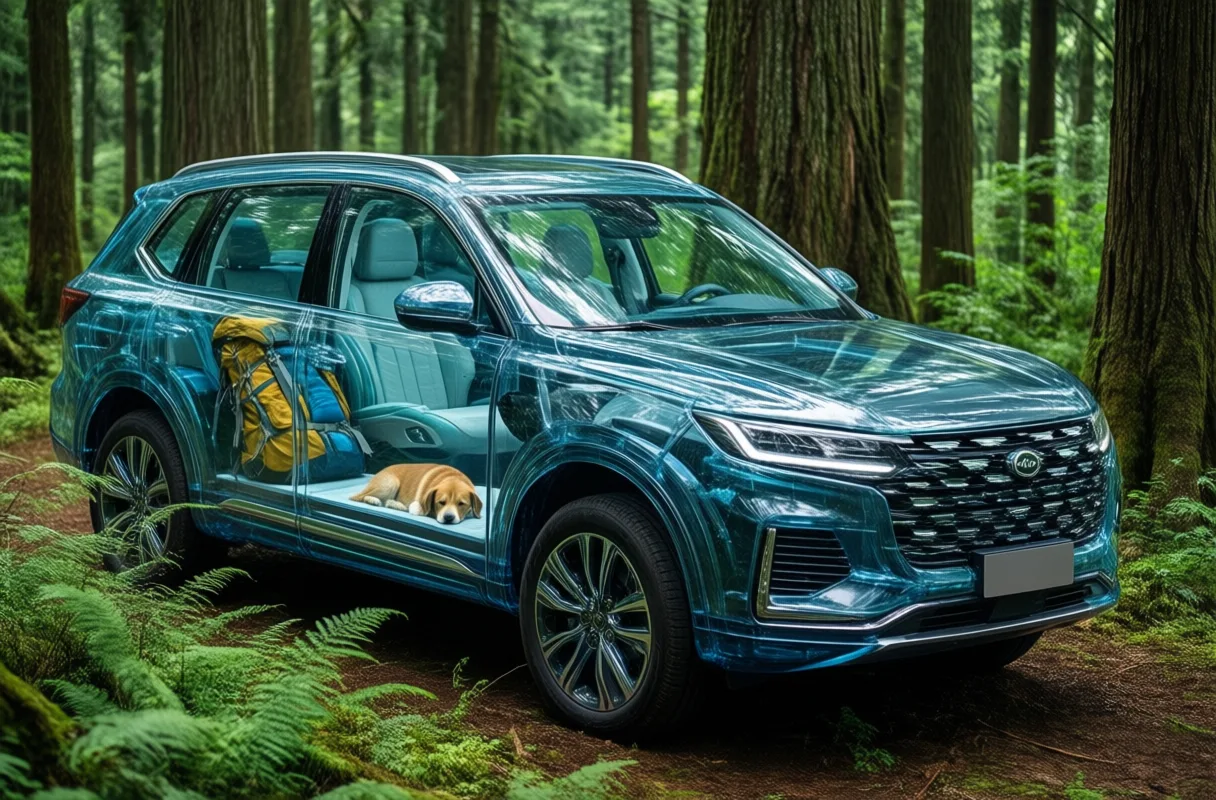
- Durable interiors handle pets, kids, and gear with ease
- Climate control and insulation keep comfort consistent year-round
This isn’t a vehicle for one purpose. It’s a Tool for a full life.
Adaptability Across Seasons and Terrains
Weather changes. So should your vehicle’s capability. Compact SUVs shine in their ability to handle transitions-rain to snow, pavement to dirt, city to country.
Available all-wheel drive systems engage automatically when traction is lost, so you don’t need to think about it. And hill descent control or traction modes help maintain stability on slippery inclines, whether it’s a snowy driveway or a muddy trail.
Even in two-wheel drive, the higher ground clearance gives you an edge over sedans and hatchbacks. You’re less likely to bottom out on potholes or flooded roads, reducing the risk of costly undercarriage damage.
- Systems designed to respond before you notice a problem
- Clearance that handles rough roads without a rugged ride
- Confidence in conditions that would challenge lower vehicles
You’re not buying for the extremes. You’re buying for the Unpredictable middle.
Smart Tech That Enhances Daily Driving
Technology in compact SUVs isn’t just flashy-it’s functional. Adaptive cruise control helps maintain distance in traffic, reducing fatigue on long commutes. Lane-keeping assists gently correct your path if you drift, adding a layer of safety without being intrusive.
Infotainment systems are intuitive, with wireless connectivity and voice controls that minimize distractions. You can send messages, adjust climate, or find parking-all without taking your eyes off the road for more than a second.
Blind-spot monitoring, rear cross-traffic alerts, and automatic emergency braking are now common, even in base models. These aren’t luxury extras-they’re Standard tools for staying safe.
- Alerts that help prevent accidents before they happen
- Systems that learn your habits and adjust accordingly
- Updates delivered over-the-air in some models
This tech isn’t about showing off. It’s about making every drive easier, safer, and less stressful.
Safety and Connectivity Without the Bulk
You don’t need a massive frame to be safe. Modern compact SUVs use high-strength steel, crumple zones, and advanced airbag systems to protect occupants. Their smaller size doesn’t mean weaker construction-it means smarter engineering.
Connectivity keeps you linked to the world without cluttering the cabin. Digital key sharing, remote start, and real-time traffic updates are built in, so you’re always in control, whether you’re behind the wheel or not.
And because these vehicles are designed for daily use, their safety features are tuned for real scenarios-urban intersections, highway merges, parking lot maneuvers-not just crash-test labs.
- Protection that’s proactive, not just reactive
- Systems that integrate seamlessly with your smartphone
- Design focused on preventing incidents, not just surviving them
Safety isn’t a side benefit. It’s Baked into the design.

Where Resale Value Meets Practicality
When it’s time to move on, compact SUVs tend to hold their value better than many other segments. Their broad appeal means a larger pool of buyers, and their reputation for reliability makes them desirable in the used market.
Depreciation is slower because demand stays strong. People want vehicles that are easy to drive, efficient to run, and versatile enough for different lifestyles. These SUVs check all the boxes.
Lower operating costs also make them attractive to used buyers. Fuel, maintenance, insurance-all tend to be more affordable than in larger models, which boosts resale appeal.
- Strong demand keeps prices stable in the used market
- Lower running costs increase long-term affordability
- Proven durability reassures second and third owners
You’re not just buying a car. You’re making a Financially sound decision.
Long-Term Ownership Advantages
Owning a compact SUV often means fewer surprises. Routine maintenance is predictable, parts are widely available, and service networks are extensive. That translates to less downtime and lower repair bills over time.
Fuel savings add up-sometimes hundreds of dollars a year compared to larger SUVs. And because tires, brakes, and batteries last longer due to lighter weight, replacement costs come less frequently.
Many owners find they use fewer vehicles overall. With one well-rounded SUV, they don’t need a second car for errands or a separate truck for occasional hauling.
- Lower total cost of ownership over five to ten years
- Fewer mechanical issues due to balanced design
- Less need for supplemental vehicles or rentals
It’s not just about the first price tag. It’s about What it costs to live with the vehicle every day.
Final Thoughts: Rethinking What Utility Really Means
Utility isn’t about size. It’s about fit. The right vehicle doesn’t dominate your life-it supports it. A compact SUV, thoughtfully chosen, can do more with less, giving you freedom without friction.
It’s not about chasing the biggest or the flashiest. It’s about Aligning your purchase with how you actually live-commuting, adventuring, hauling, relaxing. When form follows function, you end up with something better than status: satisfaction.
In a world of excess, sometimes the smartest move is the moderate one. The vehicle that fits your garage, your budget, and your life-without asking for more than it gives.
That’s not compromise. That’s clarity.
Why Light SUVs Keep Winning Over Drivers
Built for Real Life, Not Just the Road
Light SUVs quietly dominate today’s market-not because they’re flashy, but because they fit seamlessly into daily routines. Many started as car-based platforms, borrowing comfort and fuel efficiency from sedans while adding extra cargo space and a higher seat for easier entry and exit. That blend means you’re not sacrificing mileage for utility, which explains why so many families and commuters make the switch without looking back.
Smaller Frame, Bigger Advantages
Despite their compact size, light SUVs often outshine larger models in practicality. Their shorter overhangs improve maneuverability in tight parking lots, and their lighter weight helps engines work more efficiently. Some models can tow small trailers or carry rooftop gear thanks to reinforced roofs and smart storage solutions built right in. Plus, that elevated driving position isn’t just about pride-it gives drivers a clearer view of traffic, helping spot hazards earlier on crowded streets or winding roads. Explore more stories, videos, and creators on Loaded.
Frequently Asked Questions
What are the advantages of driving a compact SUV in the city?
Compact SUVs are easier to park and maneuver in tight spaces, fit in standard parking spots, and have proportions that suit urban environments while still offering ample cargo space.
Do smaller SUVs sacrifice capability for efficiency?
No, they prioritize real-world needs like daily commuting and modest cargo hauling, with responsive powertrains, improved maneuverability, and available all-wheel drive for varied conditions.
How do compact SUVs improve safety and visibility?
Their higher seat position improves visibility over traffic, and they include features like blind-spot monitoring, automatic emergency braking, and rear cross-traffic alerts even in base models.
Why do compact SUVs hold their value well?
They have strong demand in the used market due to reliability, lower operating costs, and broad appeal across different lifestyles, leading to slower depreciation.
Not financial advice. This article is general information, not financial, investment, tax or legal advice. Talk to a qualified professional before making money decisions.
This article was produced with AI assistance. How Money Maker Magazine uses AI.
Diego explores the intersection of culture and commerce, reporting on how trends in travel, fashion, and dining shape consumer behavior and investment opportunities. His work reveals the economic engines behind everyday indulgences.