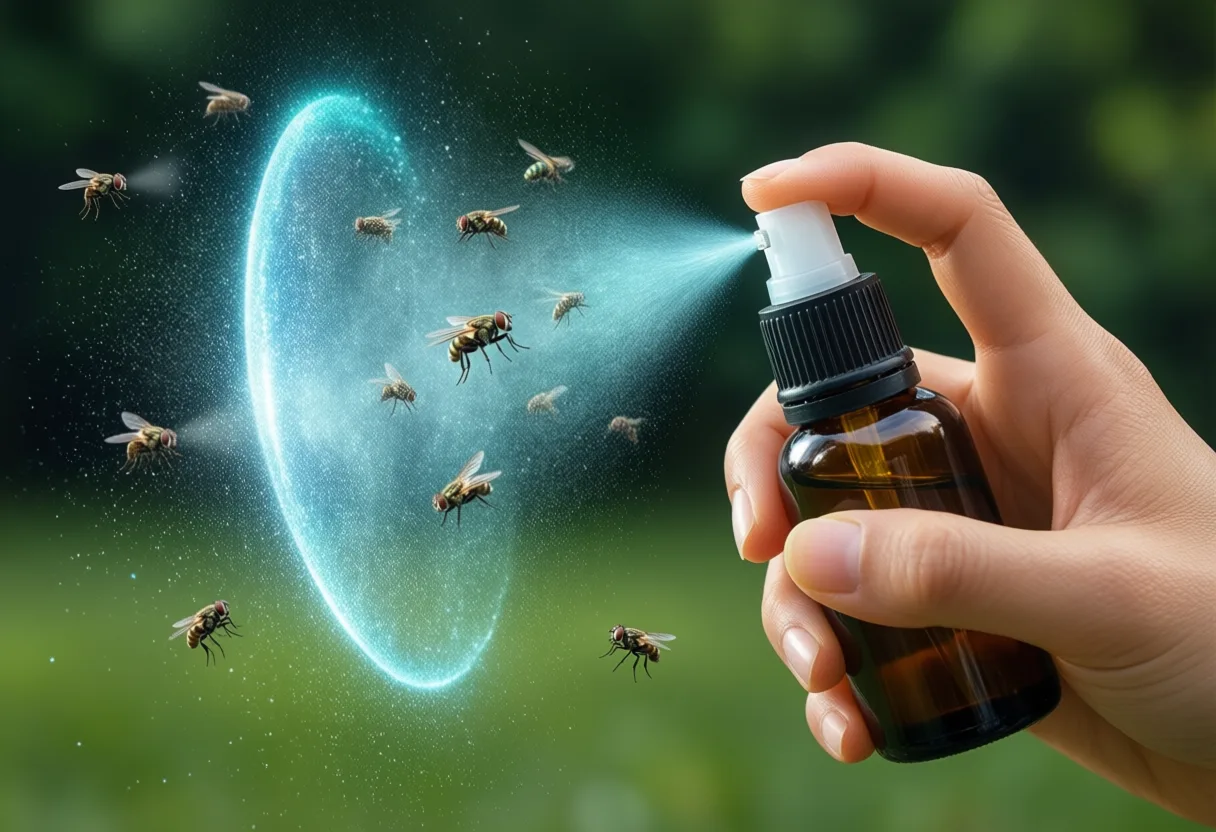
Flies are more than a nuisance-they’re a persistent distraction that can undermine comfort and cleanliness in any home. For professionals managing busy households or home offices, uninvited pests can disrupt focus and lower quality of life. A growing number of people are turning to solutions that avoid synthetic chemicals, seeking methods that are both effective and aligned with long-term wellness.
Why Go Natural?
Pesticides in conventional pest sprays often contain compounds designed to paralyze or kill insects quickly. While effective, these ingredients can linger in indoor air and surfaces, raising concerns for families with children or pets. Long-term exposure to certain chemical agents may contribute to respiratory irritation or allergic responses, especially in sensitive individuals.
Choosing a natural approach isn’t about sacrificing performance-it’s about Reducing unnecessary risk. Just as diversified investment portfolios reduce volatility, integrating safer pest controls adds resilience to your home environment. Many natural formulas rely on plant-based oils and Organic acids, substances that break down faster in the environment and pose fewer health trade-offs.
Additionally, repeated use of chemical sprays can lead to resistant insect populations-similar to how overuse of antibiotics weakens their effectiveness. A strategic shift toward natural alternatives may help preserve the potency of stronger solutions for when they’re truly needed.

How Natural Sprays Work
Natural fly control products typically use essential oils like citronella, eucalyptus, or peppermint, which disrupt insect sensory receptors. These scents mask attractants such as food residue or moisture, making your space less inviting. Some formulas also include fatty acids or natural surfactants that weaken the outer layer of a fly’s body, leading to dehydration.
The mechanism isn’t instant like neurotoxic sprays, but it’s Consistent and sustainable. Think of it like compound interest: slow, steady pressure yields long-term results. Application frequency matters-most natural sprays perform best when used preventively, not just during outbreaks.
Key features of effective natural sprays include: - Use of concentrated plant extracts known for insect-repelling properties - A fine mist delivery system for even coverage - Packaging that protects volatile compounds from light and air degradation
These factors influence shelf life and real-world performance, much like how asset quality affects portfolio returns.

Strategic Use for Lasting Results
Treating a fly problem only when it’s visible is like reacting to a stock plunge after it happens. The smarter move is Preventive maintenance-a routine application in high-risk areas like kitchens, garbage zones, or near windows. This reduces the likelihood of infestation taking hold.
Timing also matters. Flies are most active in daylight hours, especially around food preparation times. Applying spray in the early morning or late afternoon creates a protective window when exposure risk peaks. Wipe down counters and remove food scraps to eliminate attractants-this complements the spray’s function, just as diversification supports a core investment strategy.
For lasting impact: - Apply spray weekly, or more often in warm months - Store the bottle in a cool, dark place to preserve potency - Combine with physical controls like screens or traps for layered defense
This multi-pronged approach mirrors a balanced financial strategy: no single tool does everything, but together, they create resilience.
Evaluating Your Options
Not all natural sprays are created equal. Some rely on diluted formulas that evaporate quickly, offering short-lived protection. Look for products with concentrated extracts and minimal fillers-ingredients you can actually pronounce and understand. Transparency in labeling often reflects higher product integrity.
Customer feedback often highlights performance in real-world settings: how quickly it deters flies, how long the scent lasts, and whether it leaves residue. These qualitative markers matter just as much as ingredient lists. A product that’s pleasant to use encourages consistent application, which drives results.
Consider the total cost of ownership: - A higher-priced spray with greater concentration may last longer - Frequent reapplication of weak formulas increases long-term spending - Preventing infestations reduces need for costly deep cleans or professional extermination
Smart spending isn’t always the cheapest upfront-it’s the option that delivers sustained value.
Final Thoughts
Managing pests naturally isn’t about idealism-it’s about precision and foresight. Just as sound financial planning avoids unnecessary risk while securing long-term stability, choosing safer home solutions reflects disciplined decision-making. A well-formulated Natural Fly Killer Spray fits into this framework: practical, thoughtful, and aligned with a high-quality standard of living.
The best strategies don’t promise miracles. They deliver consistency, reduce hidden costs, and protect what you’ve built. Whether in finance or home care, that’s the hallmark of lasting results.
A Buzzworthy Solution from Nature
The Science Behind the Spray
Flies rely heavily on their sense of smell to find food and breeding spots, which makes certain natural scents powerful tools for keeping them away. Some effective sprays use essential oils like citronella, eucalyptus, or peppermint-oils that have been used for generations in various cultures not just for fragrance but for their ability to repel insects. These plant-based ingredients disrupt a fly’s sensory signals without poisoning your space with synthetic chemicals.
Ancient Roots, Modern Use
Long before store-bought sprays, people hung bunches of herbs like basil or lavender near doorways to deter flying pests. These plants contain natural compounds that bugs find unpleasant, and modern natural sprays often extract those same compounds into concentrated, easy-to-use formulas. Even something as simple as a mix of vinegar and dish soap can trap flies-their attraction to the scent traps them in the liquid, showing how understanding insect behavior leads to clever, chemical-free fixes.
Why Simplicity Works
Natural fly sprays don’t need lab-made ingredients to be effective. Many rely on combinations you might already have in your kitchen-like lemon, cloves, or cinnamon-proven over time to keep flies at bay. Their strength lies in consistency and placement; spraying near entry points or problem areas creates a barrier that’s safe around kids and pets. Plus, they often double as light air fresheners, turning pest control into a pleasant routine instead of a chore. Explore more stories, videos, and creators on Loaded.
Frequently Asked Questions
How do natural fly killer sprays work?
Natural fly killer sprays use essential oils like citronella, eucalyptus, or peppermint to disrupt insect sensory receptors and mask attractants. Some also contain fatty acids or natural surfactants that weaken a fly’s outer layer, leading to dehydration.
Why should I choose a natural fly spray over chemical ones?
Natural sprays avoid synthetic chemicals that can linger in indoor air and surfaces, reducing risks for children and pets. They also help prevent insect resistance and are made with plant-based ingredients that break down faster in the environment.
When is the best time to apply a natural fly spray?
The best times to apply natural fly spray are early morning or late afternoon, when flies are most active. Regular preventive application in high-risk areas helps reduce the chance of infestation.
What should I look for when choosing a Natural Fly Killer Spray?
Look for sprays with concentrated plant extracts, minimal fillers, and transparent labeling. Products with fine mist delivery and packaging that protects from light and air tend to perform better and last longer.
Not financial advice. This article is general information, not financial, investment, tax or legal advice. Talk to a qualified professional before making money decisions.
This article was produced with AI assistance. How Money Maker Magazine uses AI.
Nadia covers personal finance and long-term investment frameworks, helping readers build sustainable wealth through practical planning and behavioral insights. She breaks down complex financial systems into relatable, actionable steps without oversimplifying the stakes involved.