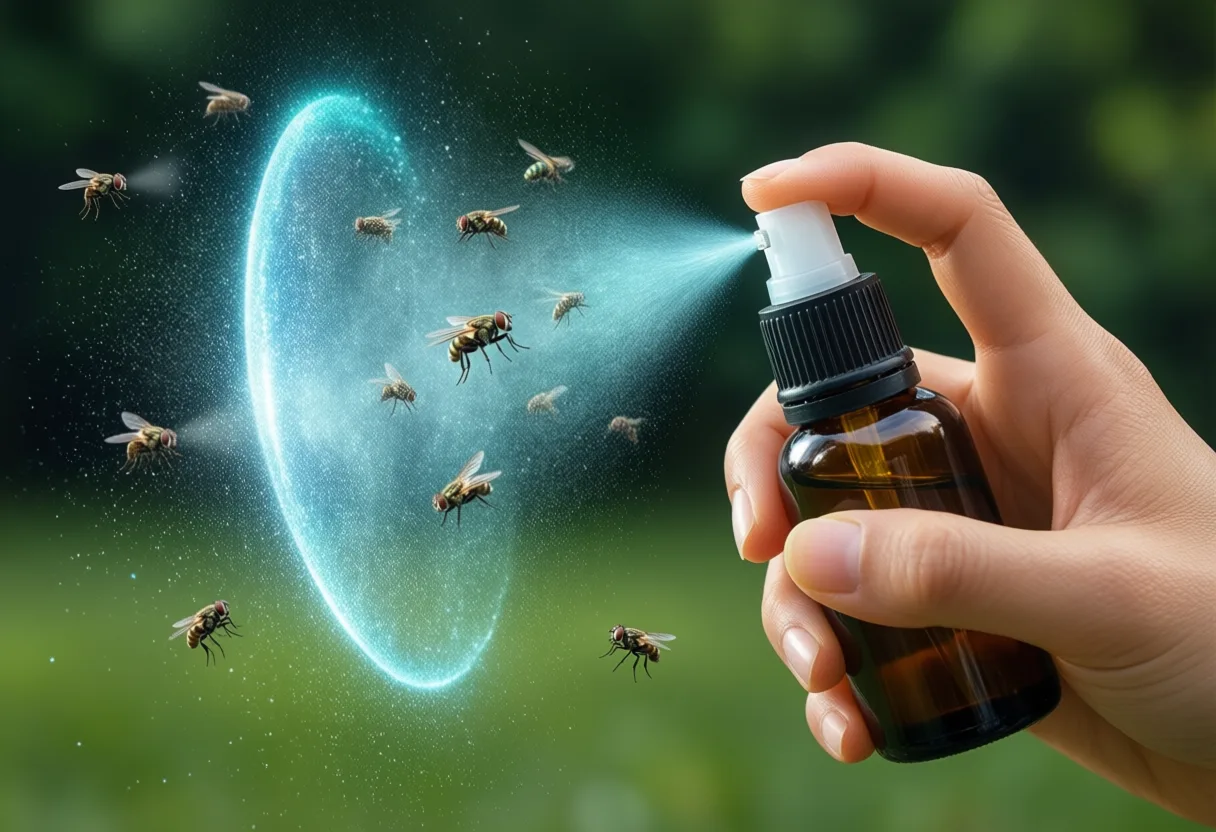
Flies are more than a nuisance-they can disrupt focus, compromise hygiene, and affect comfort in homes and outdoor spaces. While chemical sprays dominate store shelves, growing interest in natural alternatives has spotlighted essential oils as a viable deterrent. This shift isn’t just about preference; it reflects a broader move toward sustainable, health-conscious solutions that align with long-term well-being and environmental responsibility.
Why Chemical Fly Sprays Aren’t Your Only Option
Chemical fly sprays often deliver quick results, but their benefits come with trade-offs. Many contain synthetic insecticides that can linger in the air and on surfaces, posing risks to children, pets, and individuals with respiratory sensitivities. Repeated use may contribute to indoor air pollution, undermining the very environment you're trying to protect.
Relying solely on chemical solutions can also lead to diminishing returns. Insects may develop resistance over time, requiring stronger formulations or more frequent applications. This cycle increases exposure and ongoing costs, creating a dependency that’s hard to break.
Natural alternatives offer a different path-one that prioritizes prevention and balance. By using plant-based ingredients, you reduce chemical load while maintaining control over pest presence. It’s a strategy that favors consistency and foresight over short-term fixes.

The Science Behind Essential Oils and Insect Deterrence
Essential oils are concentrated plant extracts that retain the natural scent and properties of their source. Many of these oils contain volatile compounds that insects find overwhelming or confusing, Effectively Masking human and food odors that attract flies.
The mechanism is similar to noise-cancelling technology: just as sound waves can neutralize unwanted noise, certain aromatic molecules disrupt an insect’s ability to locate hosts or food sources. This doesn’t kill flies but discourages them from entering treated areas.
Not all oils work the same way, and Effectiveness varies Based on concentration, application method, and environmental conditions. Oils like citronella, eucalyptus, and peppermint have been observed to produce stronger repellent effects due to their potent aromatic profiles.
While research continues, the consistent theme is that essential oils interfere with insect sensory systems. This makes them a useful tool in integrated pest management, especially when combined with cleanliness and physical barriers.
7 Natural Sprays That Help Keep Flies at Bay
Creating your own natural spray to repel flies is both cost-effective and customizable. The key is selecting oils with known deterrent properties and combining them with a proper dispersant for even coverage.
- Peppermint Oil Spray Peppermint emits a sharp scent that masks attractants and deters flies from landing. Mix a few drops with water and a small amount of ethanol or witch hazel to help disperse the oil.
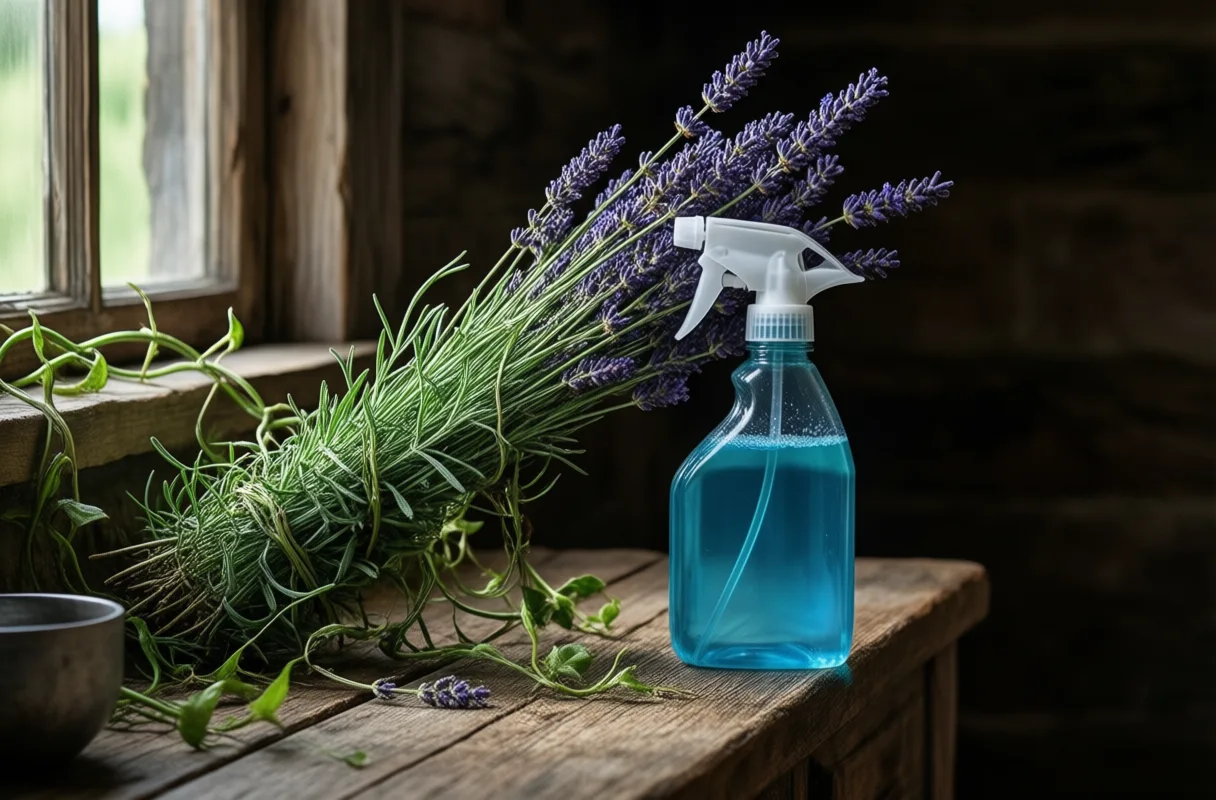
- Lavender Oil Blend Lavender offers a calming fragrance for humans while repelling flies. Its dual function makes it ideal for outdoor seating areas or near entry points.
- Citronella-Based Mist Widely recognized for its use in outdoor candles, citronella oil can be diluted into a spray for patios and decks. It works best when applied before peak fly activity.
- Eucalyptus Spray Eucalyptus contains cineole, a compound that disrupts insect behavior. When sprayed around windows and door frames, it creates an invisible barrier.
- Lemongrass Solution Closely related to citronella, lemongrass oil provides a fresh scent and strong repellent qualities. It’s particularly useful in humid environments where flies thrive.
- Tea Tree Oil Mix Known for its antiseptic properties, tea tree oil also repels insects. Its medicinal aroma is less appealing to flies and can be combined with other oils for enhanced effect.
- Blend of Rosemary and Clove This combination delivers a robust, spicy fragrance that flies avoid. Rosemary adds a clean note, while clove provides long-lasting potency.
Always shake the bottle before use, as oils separate from water. Apply in the morning or evening when temperatures are cooler to maximize scent retention.
Common Mistakes When Using Oil-Based Sprays
Even effective natural solutions fail when misapplied. One of the most frequent errors is using too little oil, which results in weak scent dispersion and minimal impact. On the other hand, excessive concentration can be overwhelming and may damage surfaces or irritate skin.
Another common issue is neglecting reapplication. Unlike chemical sprays that may contain long-lasting residues, essential oils evaporate quickly. Skipping regular use undermines consistency, allowing flies to return once the scent fades.
Using tap water without a dispersant can also reduce shelf life and effectiveness. Water alone doesn’t bind with oils, leading to uneven spraying and potential bacterial growth in the bottle.
Finally, people often spray only visible areas while ignoring entry points. Flies enter through gaps near windows, doors, and vents-focusing treatment there yields better results than broad, unfocused spraying.
How to Store and Extend the Life of Your Natural Repellent
Proper storage is critical for maintaining potency. Essential oil sprays degrade when exposed to heat, light, and air. Keeping the solution in a dark glass bottle Helps protect the active compounds from UV damage.
Store the spray in a cool, dry place-such as a pantry or cupboard-away from stoves or direct sunlight. This slows oxidation and preserves the integrity of the oils over time.
Adding a small amount of high-proof alcohol (like witch hazel or ethanol) not only improves dispersion but also acts as a preservative. This can extend the usable life of the mixture to several weeks.
For longer storage, make smaller batches and refresh every 2–3 weeks. Label each bottle with the date and ingredients to track performance and avoid confusion.

When to Consider Other Methods Alongside Essential Oils
Essential oils are a smart component of pest control but not a standalone fix. In high-infestation areas, they should complement other strategies rather than replace them entirely.
Physical barriers like screens, door sweeps, and sealed food containers reduce access points and eliminate attractants. Removing standing water and managing waste promptly Cuts off breeding grounds, making your space less appealing.
Electric traps and UV lights can be effective in garages or outdoor zones, especially when used at night. These tools work passively, reducing fly populations without chemicals.
For persistent problems, consider rotating methods to prevent adaptation. Just as diversified investments reduce financial risk, a layered approach to pest control increases resilience and long-term success.
Smart, Sustainable Choices for a Fly-Free Space
Choosing a natural spray to repel flies is more than a health decision-it’s a strategic move toward sustainable living. Like building a resilient investment portfolio, effective pest management relies on diversification, consistency, and foresight.
Each oil-based solution offers a low-cost, low-risk way to maintain comfort without relying on synthetic chemicals. Over time, this reduces household exposure and supports environmental balance.
By combining essential oils with sanitation, exclusion, and monitoring, you create a system that works with nature, not against it. The result is a cleaner, calmer space that protects both well-being and long-term value.
This isn’t about perfection-it’s about progress. Small, informed choices compound, just like interest. And in the economy of home and health, that’s where real returns are made.
| Spray Type | Key Benefit | Best Use Location |
|---|---|---|
| Peppermint Oil Spray | Masks attractants with sharp scent | Indoor and outdoor areas |
| Lavender Oil Blend | Calming for humans, deters flies | Entry points, seating areas |
| Citronella-Based Mist | Effective before peak fly activity | Patios and decks |
| Eucalyptus Spray | Creates invisible barrier with cineole | Windows and door frames |
| Lemongrass Solution | Strong repellent in humid areas | Humid environments |
| Tea Tree Oil Mix | Antiseptic and insect-repelling | Combined with other oils |
| Rosemary and Clove Blend | Spicy fragrance flies avoid | Entry points |
A Fresh Take on Fly Defense
Why Flies? And Why Now?
Flies don’t just buzz-they’re built for annoyance. With compound eyes made up of thousands of lenses, they see the world in a near-360-degree view, making sneaking up on them nearly impossible. They taste with their feet, which is why they land on your picnic plate and immediately start shuffling around. This constant landing and feeding is more than gross; houseflies can carry over 100 different pathogens, picking them up in less-than-pleasant places and dropping them onto your food. No wonder humans have been swating and shooing for centuries.
Nature’s Own Bug Spray
Long before chemical repellents hit the shelf, people turned to what grew in their gardens. Basil, lavender, mint, and lemongrass aren’t just kitchen or landscape favorites-they’ve been used globally for generations to keep flying pests at bay. The strong scents that we enjoy tend to overwhelm a fly’s sensitive antennae, effectively masking the odors that attract them, like food or garbage. Essential oils concentrate these plant defenses into potent forms, and when diluted in water and sprayed, they create a natural barrier. While they don’t last as long as synthetic options, they break down quickly in the environment, making them a favorite for those avoiding harsh chemicals.
A Few Drops Can Go a Long Way
A simple spray made with just a Few drops Of essential oil mixed with water and a splash of dish soap can stick to surfaces better and start working immediately. The soap? It’s not just for mixing-it can help break down the waxy coating on a fly’s body, making the spray more effective on contact. Peppermint and eucalyptus oils are popular choices, but citronella and tea tree oil also bring strong track records in natural pest control. Shake before use, spray near entry points or outdoor sitting areas, and enjoy a little quieter peace-minus the buzz. Explore more stories, videos, and creators on Loaded.
Frequently Asked Questions
Why are essential oils effective at repelling flies?
Essential oils contain volatile compounds that overwhelm or confuse flies, masking odors that attract them. These aromatic molecules disrupt the insect’s ability to locate food or hosts.
How often should natural fly sprays be reapplied?
Essential oil sprays should be reapplied regularly because the oils evaporate quickly. Skipping applications allows flies to return once the scent fades.
What are common mistakes when making essential oil fly sprays?
Common mistakes include using too little or too much oil, neglecting reapplication, using tap water without a dispersant, and ignoring key entry points like windows and doors.
Can essential oils be used alone to control fly infestations?
Essential oils are best used alongside other methods like screens, sealed food containers, and waste management. They are not a standalone solution in high-infestation areas.
Not financial advice. This article is general information, not financial, investment, tax or legal advice. Talk to a qualified professional before making money decisions.
This article was produced with AI assistance. How Money Maker Magazine uses AI.
Nadia covers personal finance and long-term investment frameworks, helping readers build sustainable wealth through practical planning and behavioral insights. She breaks down complex financial systems into relatable, actionable steps without oversimplifying the stakes involved.