The soft ripple of water, the warmth rising in a quiet bathroom, the faint scent of eucalyptus on the air-these aren’t details from a Five-star resort. They’re becoming part of everyday life for homeowners who see Long-term value in turning bathrooms into sanctuaries.
More than just fixtures, high-end bathing spaces are emerging as calculated Lifestyle investments. With remote work normalizing and wellness spending on the rise, people are rethinking how they use their homes-not just for function, but for restoration. And where that shift is clearest is in the growing appeal of deep, thoughtfully designed soaking experiences.
The Quiet Rise of the At-Home Retreat
Gone are the days when a bathroom was purely utilitarian. Today’s buyers don’t just want efficiency-they crave moments of pause. A well-designed bathing Space offers That, blending physical comfort with psychological relief in a way few other home features can.
This isn’t about excess. It’s about Intentional design meeting daily well-being. When stress levels remain high across professions-from tech to healthcare to education-having a place to decompress without leaving home has real utility. That utility translates into demand.
Consider how people now evaluate square footage. Space once reserved for formal dining rooms or guest suites is being repurposed for personal wellness zones. Walk-in showers are nice, but it’s the deep soak-the uninterrupted 20 minutes with no notifications-that stands out. That shift reflects broader cultural movement toward self-care as necessity, not indulgence.
Why Design Matters More Than Price
A Luxury experience Doesn’t always mean a six-figure renovation. What matters most is proportion, materials, and flow. A smaller tub made from heat-retaining material, placed near natural light and surrounded by calming textures, can feel more luxurious than a larger, poorly integrated model.
Attention to detail amplifies value. Think about edge width-wide enough to hold a glass of water or a book. Consider depth: true immersion means water covering the shoulders without overflowing. These aren't frills; they're Functional choices that define the quality of the experience.
Design also influences longevity. Fixtures made from durable, low-maintenance materials reduce long-term costs. Freestanding models, while striking, require careful planning for drainage and weight distribution. Built-in soakers may offer easier installation and better insulation. Each option carries trade-offs worth weighing before purchase.
- Choose materials based on climate and usage frequency
- Prioritize ergonomics over aesthetics alone
- Factor in water efficiency-deep doesn’t have to mean wasteful

The Financial Logic Behind the Soak
At first glance, upgrading a bathtub might seem Like discretionary Spending. But viewed through a strategic lens, it aligns with smarter asset allocation. Homes with well-executed primary bathrooms often see stronger resale performance, especially in mid-to-high-tier markets.
Wellness-centric renovations tend to deliver solid returns because they appeal to a broad demographic. Young professionals, empty nesters, and remote workers all value private retreats. Unlike trend-driven finishes that date quickly, a timeless soaking tub can enhance appeal for years.
Moreover, the cost of chronic stress is measurable-in lost productivity, higher insurance premiums, and diminished quality of life. Investing in recovery infrastructure at home may yield Invisible dividends: better sleep, improved focus, lower anxiety. These aren’t luxuries; they’re performance enhancers.
When budgeting for renovations, think beyond immediate ROI. Ask: does this addition support sustained well-being? Will it make the home more livable day after day? If yes, then it’s not an expense-it’s a form of capital preservation.
Choosing With Clarity, Not Hype
The market is full of options, from freestanding stone resin models to built-in acrylic soakers. Marketing language can blur distinctions, making some products seem transformative when they’re merely decorative. The key is clarity of purpose.
Start by defining your goal. Is this about physical therapy? Mental reset? Aesthetic upgrade? Each intention leads to different design decisions. Someone managing joint pain needs different support than someone seeking meditation space.
Also consider household dynamics. In multi-person homes, practicality matters. How easy is it to clean? Can it be used daily without disrupting routines? Even the most beautiful tub loses value if it becomes a storage shelf for towels.
Finally, consult professionals early. Plumbing adjustments, floor reinforcement, and ventilation aren’t DIY guesses. Getting expert input upfront prevents costly corrections later. This isn’t overspending-it’s Risk mitigation.
A thoughtful approach turns what could be impulse spending into a deliberate upgrade-one that pays back in comfort, usability, and long-term satisfaction.
The Bottom Line: Value Measured in Minutes
In the end, the strongest argument for a deeper, more intentional bathing experience isn’t found in glossy brochures or influencer reels. It’s in the quiet moment at dusk, when the world slows and the body unwinds.
These spaces don’t just add square footage-they add Meaningful time. And in an economy where attention is scarce and energy is finite, reclaiming even 15 minutes a day has measurable worth.
Homeownership has always been about more than shelter. It’s about shaping environments that support how we live, work, and recover. When done right, a simple soak becomes part of a smarter, more resilient lifestyle strategy.
And that’s not indulgence. That’s intelligent living.
| Feature | Benefit |
|---|---|
| Deeper basin than standard tubs | Allows water to cover shoulders and ease muscle tension |
| Heat-retaining materials | Keeps water warm from start to finish |
| Wide edges | Holds books, glasses, or candles comfortably |
| Freestanding or built-in designs | Offers aesthetic flexibility and functional placement |
| Positioned near natural light | Creates a scenic, calming bathing ritual |
| Still, jet-free water | Encourages mindfulness and breathwork |
Soaking in Style: The Allure of Deep Baths
More Than Just a Pretty Tub
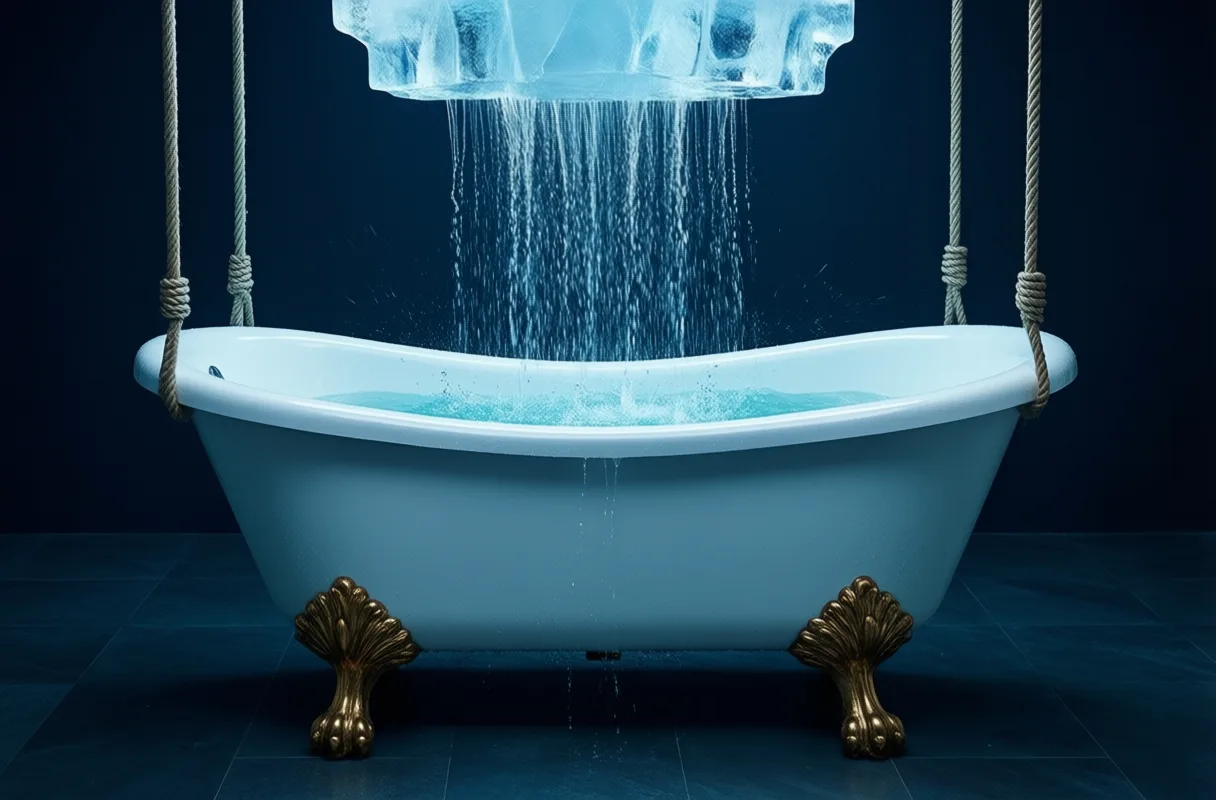
Believe it or not, the idea of soaking for relaxation dates back thousands of years-ancient civilizations like the Romans and Japanese built elaborate bathing rituals into daily life, long before modern plumbing. Today’s freestanding soaking tubs echo those traditions, offering a personal retreat right in the bathroom. Many are designed with deeper basins than standard tubs, allowing water to cover more of the body, which can help ease muscle tension after a long day.
Some luxury soaking tubs are crafted from materials like cast iron or stone resin, which retain heat longer, so your bath stays warm from start to finish. You’ll often find these tubs positioned as a centerpiece, sometimes even placed near a window or in a sunlit nook, turning bath time into a scenic ritual. While not all models come with jets, the deep, still water encourages mindfulness and breathwork, making it a favorite for those looking to unwind without the buzz of a whirlpool. Explore more stories, videos, and creators on Loaded.
Frequently Asked Questions
What makes a soaking tub different from a standard bathtub?
Luxury soaking tubs have deeper basins than standard tubs, allowing water to cover more of the body. This promotes relaxation and helps ease muscle tension.
Do luxury soaking tubs add value to a home?
Yes, homes with well-designed primary bathrooms featuring soaking tubs often see stronger resale performance, especially in mid-to-high-tier markets.
Are soaking tubs only for luxury renovations?
No, a luxury experience doesn't require a six-figure renovation. Proportion, materials, and design matter more than price.
What should I consider when choosing a soaking tub?
Consider depth, material heat retention, ergonomics, ease of cleaning, and household usage. Also evaluate drainage, weight, and installation needs.
Not financial advice. This article is general information, not financial, investment, tax or legal advice. Talk to a qualified professional before making money decisions.
This article was produced with AI assistance. How Money Maker Magazine uses AI.
Diego explores the intersection of culture and commerce, reporting on how trends in travel, fashion, and dining shape consumer behavior and investment opportunities. His work reveals the economic engines behind everyday indulgences.