
The smell of fresh coffee curls from a paper cup as you tap your phone-another $5.25 gone, just like that. It’s not the latte that breaks the bank; it’s the rhythm of unnoticed spending that quietly erodes financial freedom. Budgeting isn’t about deprivation-it’s about awareness, control, and building a life where Money Serves you, not the other way around.
Why Budgeting Is the Foundation of Financial Literacy
Imagine walking into a dark room without turning on the light. That’s managing Money Without a budget. You can move around, but you’re bound to bump into something painful eventually. A budget shines a light on where your money goes, revealing patterns you might not even know exist. It turns abstract income and expenses into a clear map-one that shows exactly how far your paycheck stretches.
Most people think financial literacy starts with investing or retirement planning. But those come later. The real starting point is knowing what comes in and what goes out each month. Without this foundation, even the smartest stock pick won’t save you from living beyond your means. Budgeting builds the discipline that makes every other financial decision possible.
When you track your Spending, you stop being reactive and start making intentional choices. Want to travel more? Save for a home? Start a business? All of it begins with understanding your cash flow. And once you do, you realize that personal finance isn’t just about numbers-it’s about values, priorities, and the kind of life you want to create. For deeper insights into mastering your money early, check out our guide to Personal Finance Basics To Master Your Money Today.
What Most People Get Wrong About Tracking Expenses
Many assume tracking expenses means logging every penny in a spreadsheet-an exhausting chore they abandon within weeks. But precision isn’t the goal; consistency is. The problem isn’t tracking too little-it’s quitting because it feels too rigid. People set up perfect systems that collapse under real-life chaos: surprise car repairs, last-minute dinners, forgotten subscriptions.
Others confuse budgeting with punishment. They label categories like “fun” or “eating out” as wasteful, creating guilt instead of insight. This mindset turns budgeting into a moral test-and nobody sticks with something that makes them feel bad. The truth? There’s no such thing as a “bad” expense if it aligns with your goals and fits your income.
Successful tracking doesn’t require perfection. It requires honesty. Did you spend $80 on takeout this week? That’s data-not failure. Use it to adjust next week’s plan. Technology helps here: apps can sync transactions automatically, so you’re not manually entering every coffee or grocery run. Tools like The Personal Finance Dashboard Tracks Spending And Savings Goals turn raw data into visual progress, helping you stay engaged without burnout.

The First Step: Choosing Your Budgeting Method
Not all budgets are created equal-and one size definitely doesn’t fit all. Some thrive on detailed line items, while others need broad categories to avoid feeling trapped. The key is matching your method to your personality and lifestyle. If you hate spreadsheets, don’t force yourself into one. If you love visuals, lean into charts and graphs that show your progress at a glance.
Popular methods include:
- The 50/30/20 rule: Allocate 50% to needs, 30% to wants, 20% to savings and debt.
- Zero-based budgeting: Assign every dollar a job so income minus expenses equals zero.
- Envelope system: Use physical or digital envelopes to limit spending per category.
Each has strengths. The 50/30/20 model offers simplicity and balance. Zero-based gives maximum control. Envelopes create hard boundaries that prevent overspending. Try one for three months. If it stresses you out, switch. The best method is the one you’ll actually use. For hands-on training, explore Personal Finance Courses Help You Build Real Budgeting Skills to find a strategy that fits your rhythm.
How Small Spending Habits Create Long-Term Wealth
A daily $6 smoothie seems harmless-just $180 a month. But over ten years, that same habit costs over $21,000, not counting compound growth if invested instead. Small leaks sink big ships, and tiny, repeated expenses often go unnoticed until they’ve derailed long-term goals. The power of budgeting lies in exposing these hidden drains.
But it’s not just about cutting back-it’s about redirecting. Every time you skip an impulse buy and channel that money into savings, you compound more than dollars. You build confidence. You prove to yourself that delayed gratification pays off. Over time, those redirected funds grow silently in the background, like roots spreading beneath a tree.
Think of wealth as layers. The surface layer is visible: paychecks, bills, vacations. Beneath it is behavior-your daily decisions about coffee, streaming services, parking fees. That’s where budgets make impact. They don’t eliminate enjoyment; they ensure spending reflects what truly matters. When aligned, small habits become the engine of lasting prosperity.
When Budgeting Feels Impossible-And How to Push Through
Life happens. A medical bill lands. Rent increases. A job ends unexpectedly. In those moments, budgeting can feel pointless-like rearranging deck chairs on the Titanic. But this is exactly when a budget becomes most valuable. It’s not a rigid script; it’s a responsive tool Designed to adapt when reality shifts.
Start by pausing, not quitting. Review your current budget with fresh eyes. Which expenses can be reduced or eliminated temporarily? Can you shift funds from non-essentials to cover emergencies? A budget isn’t broken because it changes-it’s working as intended. Flexibility within structure is what keeps people on track during tough times.
Community also helps. Isolation magnifies financial stress. Talking to others who’ve faced similar challenges reminds you that setbacks don’t define your journey. Consider joining a group like the Personal Finance Club Helps Members Build Lasting Wealth, where shared experiences provide both support and practical solutions. You’re not failing-you’re learning.

Where Income Meets Reality: Aligning Earnings with Lifestyle Goals
Earning more doesn’t automatically lead to financial freedom. Many high earners live paycheck to paycheck because their lifestyle expands with their income. Lifestyle creep-the gradual increase in spending as income rises-is one of the quietest threats to wealth. Without intention, raises and bonuses vanish into upgrades: bigger cars, pricier leases, finer dinners.
A budget acts as a filter. It forces you to ask: Does this purchase bring me closer to my goals-or just further from them? Want to retire early? Travel annually? Support your family? Each desire requires trade-offs. The budget makes those visible, so you can choose consciously instead of drifting.
This alignment turns income into purpose. Instead of chasing status symbols, you invest in experiences and assets that enrich your life meaningfully. Maybe that means saving 25% of your income, even after a promotion. Or using a bonus to pay down debt rather than upgrade your wardrobe. These decisions compound faster than interest-because they shape your entire financial trajectory.
The Role of Emergency Funds in Staying on Track
No budget survives first contact with reality unscathed. Flat tires, dental work, sudden flights to see family-these aren’t anomalies. They’re inevitable. Without a cushion, every surprise becomes a crisis, forcing credit card debt or withdrawals from long-term savings. An emergency fund isn’t optional-it’s the shock absorber that keeps your financial vehicle steady on bumpy roads.
Most experts recommend three to six months’ worth of essential expenses saved in accessible accounts. But starting small is fine. Aim for $500, then $1,000, then build from there. The goal isn’t perfection-it’s protection. When emergencies hit, you handle them without derailing your entire plan.
This fund works hand-in-hand with your budget. Set up automatic transfers-even $25 a week adds up. Treat it like a non-negotiable bill. Over time, it reduces anxiety and increases resilience. Knowing you’re prepared lets you stick to your budget even when life throws curveballs. Peace of mind, after all, is priceless.
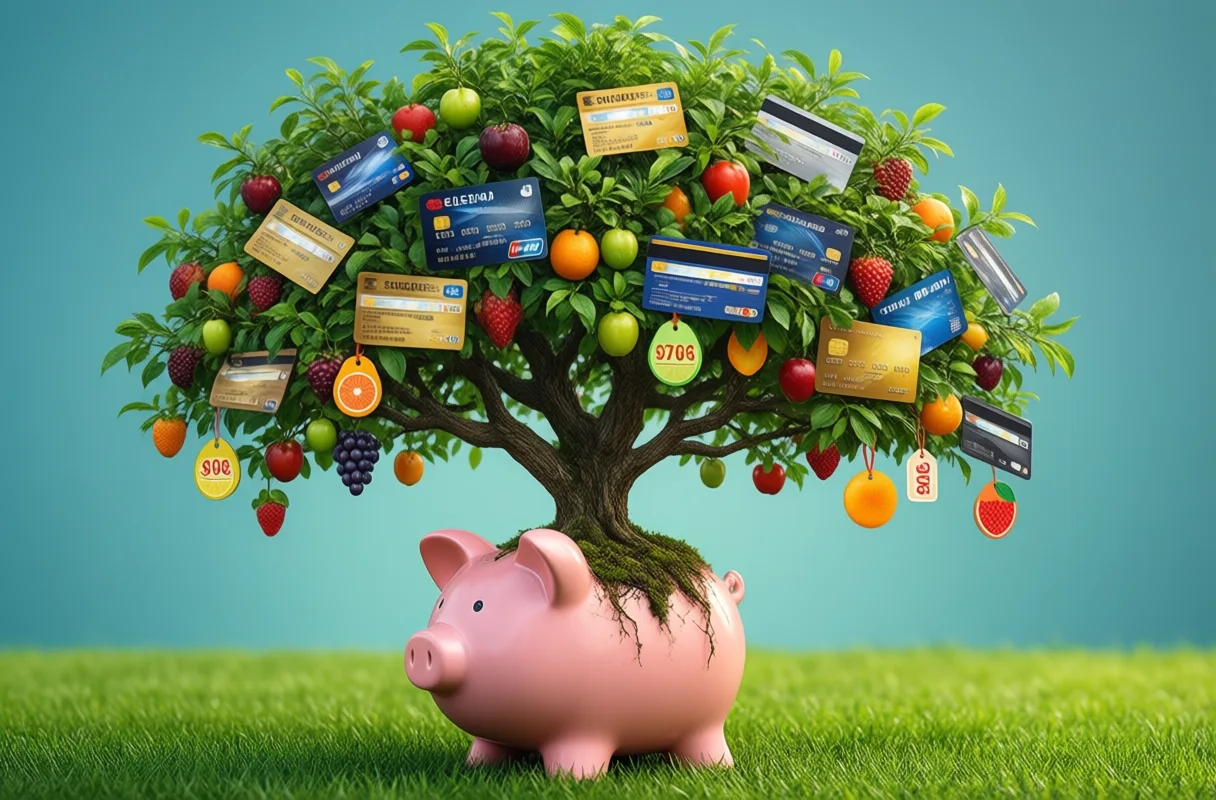
Beyond the Spreadsheet: Tools That Make Budgeting Automatic
Let’s be honest: few people enjoy logging receipts or reconciling accounts. That’s why automation is the secret weapon of modern budgeting. Linking accounts to tools that categorize spending, flag overspending, and send alerts transforms budgeting from a chore into a seamless part of daily life.
Apps pull transaction data in real time, updating your balances without lifting a finger. Some even project future balances based on upcoming bills. Others round up purchases and deposit the difference into savings-effortless micro-investing. With features like these, staying on track doesn’t require willpower. It requires setup.
For anyone overwhelmed by manual tracking, exploring Personal Finance Apps Help You Budget Track And Save Daily can be a game-changer. These platforms blend convenience with insight, giving you clarity without complexity. The less friction involved, the more likely you are to keep going.
Why Consistency Beats Perfection in Money Management
Too many people abandon budgeting because they miss a week, overspend a category, or face an unexpected cost. They see deviation as defeat. But Financial health isn’t measured by flawless execution-it’s built through repeated effort. Missing a day doesn’t ruin progress any more than skipping a workout ruins fitness.
Consistency means returning to your budget again and again, regardless of setbacks. It means reviewing weekly, adjusting monthly, and celebrating small wins. Did you stay under budget on groceries? Acknowledge it. Saved $100 toward your emergency fund? That’s momentum. Progress compounds, just like interest.
Perfection is static. Consistency is dynamic. One allows growth, learning, and adaptation. The other sets you up for failure by demanding the impossible. Focus on showing up, not being flawless. Over time, the pattern of return builds resilience far stronger than any perfectly balanced spreadsheet ever could.
What Budgeting Teaches You About Yourself-and Your Future
Every dollar you spend sends a message: This matters to me. A budget reveals those messages in high definition. You begin to see whether your actions match your stated goals. Do you say family is a priority-but spend more on gadgets than quality time? Is freedom important-but you carry growing debt?
These insights go beyond money. They expose values, fears, and aspirations. Maybe you avoid tracking because you’re afraid of what you’ll find. Or maybe you obsess over details because control feels safe. Budgeting holds up a mirror, inviting self-awareness that ripples into every area of life.
In the end, a budget isn’t just a financial tool. It’s a blueprint for the future you want to build. It connects today’s choices to tomorrow’s outcomes. And with resources like the Personal Finance Dashboard Tracks Spending And Savings Goals, you gain not just control-but clarity. Because when you understand your money, you begin to understand yourself.
Why Budgeting Is the Launchpad for Smart Money Moves
The Surprising Psychology Behind Spending Choices
Ever wonder why it’s so easy to overspend on small things like coffee or apps? It turns out, our brains treat small purchases differently-often ignoring their long-term impact. This mental accounting trick makes a $5 daily latte feel harmless, even though it adds up to over $1,800 a year. Budgeting helps reset that mindset by shining a light on these hidden drains, turning invisible spending into clear choices.
People who track their spending regularly are more likely to save and less likely to carry credit card debt. It’s not magic-it’s awareness. When you assign every dollar a job through budgeting, you stop guessing where your money went and start making it work for you. That Simple shift Builds confidence and reduces money stress, which studies link to better overall well-being.
Fun Facts That Shape Financial Habits
Did you know the average American checks their bank account about eight times per week? That frequent monitoring often goes hand-in-hand with stronger financial control. And while many assume budgeting is restrictive, those who stick with it usually report feeling more freedom-not less-because they know they’re in charge.
Another fun insight: kids who learn basic budgeting before age 13 are more likely to make thoughtful spending decisions as adults. It’s not about strict rules; it’s about building habits early, like saving part of a birthday gift or planning for a toy they want. These small steps lay the foundation for lifelong financial health without ever needing a spreadsheet or jargon-filled lecture.
Frequently Asked Questions
Why is budgeting considered the foundation of financial literacy?
Budgeting provides awareness of income and expenses, creating a clear map of cash flow. It builds the discipline needed for all other financial decisions and helps align spending with personal goals and values.
What is a common mistake people make when tracking expenses?
Many people quit because they expect perfection or set up rigid systems that don't adapt to real-life changes. The goal is consistency and honesty, not logging every penny perfectly.
How can small daily spending habits affect long-term wealth?
Small repeated expenses, like a daily $6 smoothie, can cost over $21,000 in ten years. Budgeting reveals these hidden drains and allows redirection toward savings or investments.
What role does an emergency fund play in budgeting?
An emergency fund acts as a financial shock absorber for unexpected expenses. It prevents derailment of the budget and reduces reliance on debt during crises.
Not financial advice. This article is general information, not financial, investment, tax or legal advice. Talk to a qualified professional before making money decisions.
This article was produced with AI assistance. How Money Maker Magazine uses AI.
Diego explores the intersection of culture and commerce, reporting on how trends in travel, fashion, and dining shape consumer behavior and investment opportunities. His work reveals the economic engines behind everyday indulgences.