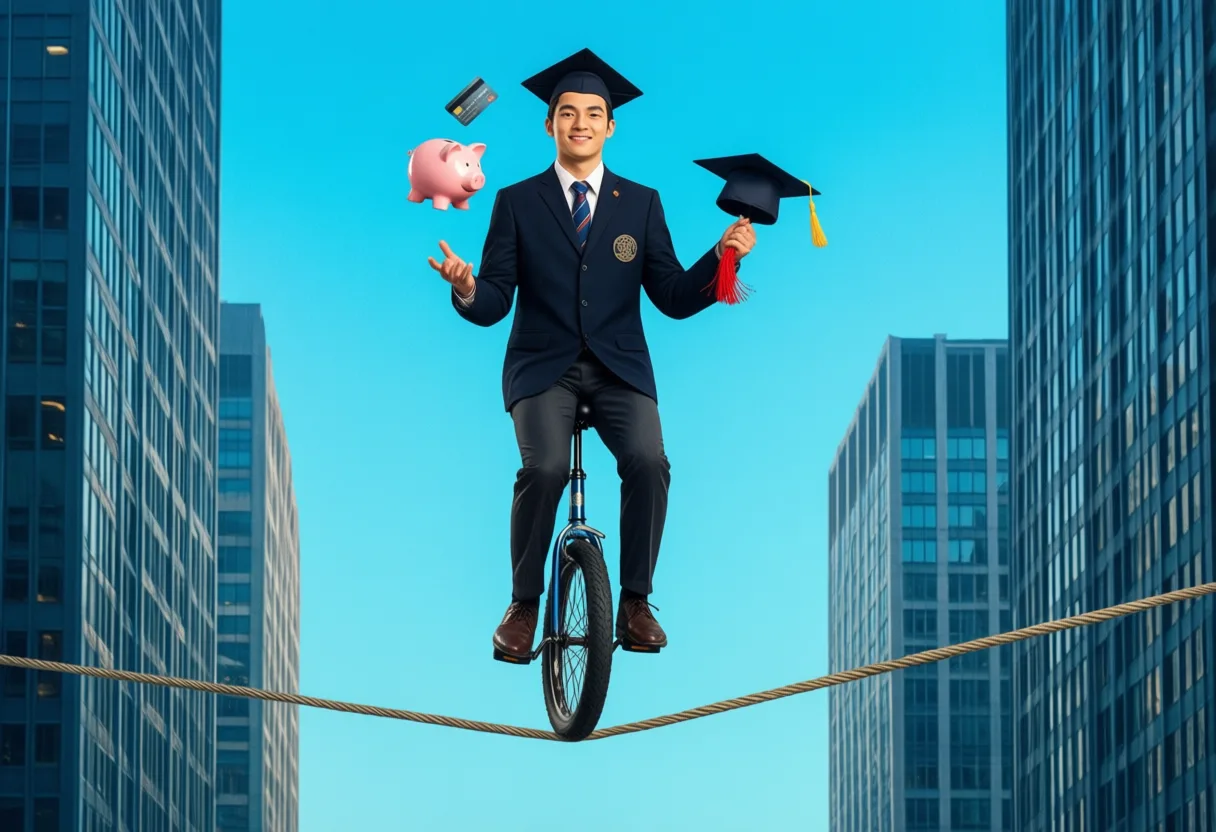
The classroom hums with the scratch of pencils and the occasional sigh of a student wrestling with algebra-but what if the most important lesson of the day wasn’t about equations, but about life? Across the country, a quiet revolution is unfolding in High schools Where personal finance is no longer an elective afterthought, but a core survival skill being taught with urgency and clarity.
These aren’t just lessons in balancing a checkbook. They’re immersive experiences in decision-making, risk, and long-term thinking-skills that shape futures far beyond the classroom walls.
Why Aren’t Teens Learning How to Budget Before College?
Most teenagers step into adulthood with a smartphone in one hand and zero clue how to read a bank statement in the other. They can stream the latest movie or dissect a viral TikTok trend, but ask them to explain compound interest or a credit score, and the silence is deafening.
This gap isn’t accidental. For decades, education systems have prioritized theoretical knowledge over practical life skills. Budgeting, saving, and understanding debt are often left to chance-learned through trial, error, and sometimes devastating consequences.
Many parents want to teach these lessons, but not all feel equipped. Some Avoid money Talks altogether, treating finances like a taboo subject. Others assume schools are covering the basics. The truth? Without a structured Personal Finance High School curriculum, most students graduate financially blindfolded.
Imagine sending a driver to the highway without ever touching a steering wheel. That’s what we’re doing when we hand diplomas to students who’ve never built a budget or compared loan terms.

The Hidden Cost of Financial Illiteracy in Young Adults
The consequences of financial ignorance don’t wait. They show up fast-in maxed-out credit cards, student loan confusion, and the creeping weight of debt that feels impossible to escape. Young adults are often the most targeted by predatory lenders and “buy now, pay later” schemes that exploit their lack of experience.
By their mid-twenties, many are already playing catch-up, trying to rebuild credit or dig out of debt holes that could have been avoided. The stress isn’t just financial-it’s emotional, affecting relationships, mental health, and career choices.
A single missed payment can spiral into a cascade of fees and penalties. Without understanding how interest compounds over time, a small loan can balloon into an anchor. These aren’t edge cases-they’re the norm for millions who never learned the rules of the money game before entering it.
And it’s not just individuals who pay the price. Communities suffer when young people can’t save for homes, start businesses, or contribute fully to the economy. Financial illiteracy isn’t a personal failing-it’s a systemic one.
What Should Be in Every High School Money Management Course?
A strong money management course doesn’t just teach theory-it simulates real life. Students should walk through creating a monthly budget based on a hypothetical salary, accounting for rent, groceries, transportation, and unexpected expenses like a flat tire or medical bill.
They should compare different types of bank accounts, understand the fine print in credit offers, and learn how interest works-both as a tool for growth and a weapon of debt. Lessons on taxes, insurance, and retirement planning shouldn’t wait until adulthood.
A well-rounded course would include: - Building and tracking a personal budget - Understanding credit scores and reports - Comparing student loan and credit card terms - Setting and monitoring savings goals - Introduction to investing basics and risk tolerance
Hands-on tools make the difference. That’s why platforms like the Personal Finance Dashboard Tracks Spending And Savings Goals are proving so effective in classrooms-turning abstract numbers into visual, actionable insights.
Common Myths About Teaching Money in Schools
One myth persists: “Kids aren’t ready for financial education.” But teens already make spending decisions every day-on clothes, food, subscriptions. The question isn’t whether they’re ready, but whether we’re giving them the tools to make smarter choices.
Another myth: “This belongs at home, not in school.” While families play a role, financial literacy shouldn’t depend on a parent’s knowledge or willingness to talk money. Just like math or science, personal finance is a universal skill that schools are uniquely positioned to teach equitably.
Some argue it’s too complex or boring for teens. But when taught through real-world scenarios-like planning a post-graduation move or buying a car-students engage deeply. They’re not memorizing formulas; they’re solving problems they’ll actually face.
And no, adding personal finance means cutting something else. Many schools integrate it into existing economics or math courses, or offer it as a semester-long elective that counts toward graduation.

How One State Transformed Its Graduation Requirements with Finance Classes
In recent years, one state made a bold move: it mandated a semester of personal finance as a graduation requirement for all high school students. The change didn’t happen overnight, but through persistent advocacy from educators, parents, and financial advisors who saw the long-term cost of inaction.
Schools began rolling out new curricula, training teachers, and partnering with community organizations to bring real-world expertise into classrooms. The goal wasn’t perfection-it was exposure, practice, and empowerment.
Early feedback shows students are more confident discussing money, more likely to save, and better equipped to avoid common pitfalls. Some schools even report increased engagement in other subjects, as students see the relevance of math and critical thinking in their own lives.
While the full impact will take years to measure, one thing is clear: when students learn to manage money early, they’re more likely to make thoughtful, informed decisions long after graduation.
What Students Actually Do With Financial Knowledge After High School
Knowledge without action is just information. But when students apply what they’ve learned, the results can be transformative. Some open their first savings account. Others start tracking expenses using apps that link directly to their goals.
Many begin asking smarter questions-about student loans, apartment leases, or phone contracts. They learn to read the fine print and negotiate better terms. Small choices, like delaying a purchase to avoid interest, become habits that compound over time.
Tools like Personal Finance Apps Help You Budget Track And Save Daily are bridging the gap between classroom learning and real-world use, giving students instant feedback on their spending patterns.
And for those who dive deeper, joining a Personal Finance Club Helps Members Build Lasting Wealth offers community, accountability, and ongoing education-proving that financial growth doesn’t stop at graduation.

Where the Gaps Still Remain-And How Educators Are Responding
Despite progress, access remains uneven. Not every school offers personal finance, and teacher training varies widely. In some districts, outdated materials or lack of funding limit what can be taught.
There’s also a need to address cultural and socioeconomic differences. A budgeting exercise based on a middle-class income may not resonate with students in low-income households. The best curricula are inclusive, adaptable, and trauma-informed.
Educators are responding by collaborating with local banks, nonprofits, and fintech platforms to bring fresh, relevant content into classrooms. Some are using gamification-like simulated stock markets or budgeting challenges-to boost engagement.
The goal isn’t to turn every student into a financial advisor, but to ensure no one graduates without knowing how to protect themselves, plan ahead, and build stability.
Beyond the Classroom: Turning Lessons into Lifelong Money Habits
A single course won’t solve everything. Lasting financial health comes from repeated practice, reflection, and adaptation. That’s why the real test begins after the final exam.
Students who continue using tools like the Personal Finance Basics To Master Your Money Today guide keep their knowledge sharp. They revisit budgeting principles, adjust goals, and celebrate small wins-like paying off a credit card or hitting a savings milestone.
Lifelong habits form when learning is continuous. Whether through online courses like Personal Finance Courses Help You Build Real Budgeting Skills or community groups, ongoing education is key.
And while some might scroll through nostalgia pieces like the high school musical cast 20 Years Later: Shocking Secrets Revealed, the real legacy of high school isn’t just memories-it’s the skills that shape a lifetime of financial confidence.
At schools like Fairfax High School Athletics And Academic Excellence, where academics and character development go hand in hand, the future looks brighter-not just because students are learning, but because they’re learning how to thrive.
| Topic | What Students Learn |
|---|---|
| Budgeting | Create a monthly budget with rent, groceries, transportation, and emergencies. |
| Credit Scores | Understand how credit scores work and why they matter for loans and housing. |
| Saving and Investing | Set savings goals and learn basics of investing and risk tolerance. |
| Loans and Credit Cards | Compare terms, interest rates, and avoid predatory lending traps. |
| Taxes and Insurance | Learn fundamentals of income tax, health insurance, and other essentials. |
| Retirement Planning | Introduction to retirement accounts and long-term financial planning. |
What They’re Really Learning in Finance Class
Turns out, high school personal finance isn’t just about balancing a checkbook-though that’s definitely part of it. Across the country, more schools are making personal finance a graduation requirement, not just an elective. In fact, the number of states requiring students to take a standalone personal finance course before they graduate has nearly doubled in recent years, showing just how seriously schools are taking real-world money skills.
From Budgets to Bitcoin?
While most curricula focus on the basics-like budgeting, saving, credit scores, and taxes-some classrooms are diving into newer territory. Teachers might use real-life scenarios, like comparing student loan payments for different careers or simulating apartment hunting with real local rental prices. A few even introduce concepts like cryptocurrency or stock market basics, not to turn teens into day traders, but to help them understand headlines and avoid common financial traps later. One popular classroom activity has students “bid” on fake apartments with fake salaries, quickly learning how fast expenses add up.
The Ripple Effect
Here’s a fun twist: when teens learn about money, it often spills over into their families. Studies show students frequently bring what they learn in personal finance class home, prompting discussions about household budgets or credit card debt. Some teachers even report parents asking for copies of the same budgeting worksheets their kids used. It’s proof that teaching one generation smart money habits can influence another-making the classroom feel a little like ground zero for long-term financial wellness. Explore more stories, videos, and creators on Loaded.
Frequently Asked Questions
Why is personal finance being taught in high schools now?
Personal finance is increasingly taught in high schools because many teens lack basic money management skills before adulthood. Without structured education, students often graduate financially unprepared, leading to debt and poor financial decisions.
What do students learn in a high school personal finance course?
Students learn to create and track a monthly budget, understand credit scores, compare loan and credit card terms, set savings goals, and grasp basics of taxes, insurance, and investing. Hands-on tools help apply these skills realistically.
How does learning personal finance affect students' real-world behavior?
Students apply knowledge by opening savings accounts, tracking expenses with apps, reading contracts carefully, and avoiding high-interest debt. Some join clubs or use guides to continue building wealth and financial confidence after graduation.
Are all high school students receiving personal finance education?
No, access remains uneven across schools. While some states now require the course for graduation, others offer it only as an elective or lack updated materials and trained teachers, leaving gaps in financial literacy.
Not financial advice. This article is general information, not financial, investment, tax or legal advice. Talk to a qualified professional before making money decisions.
This article was produced with AI assistance. How Money Maker Magazine uses AI.
Diego explores the intersection of culture and commerce, reporting on how trends in travel, fashion, and dining shape consumer behavior and investment opportunities. His work reveals the economic engines behind everyday indulgences.