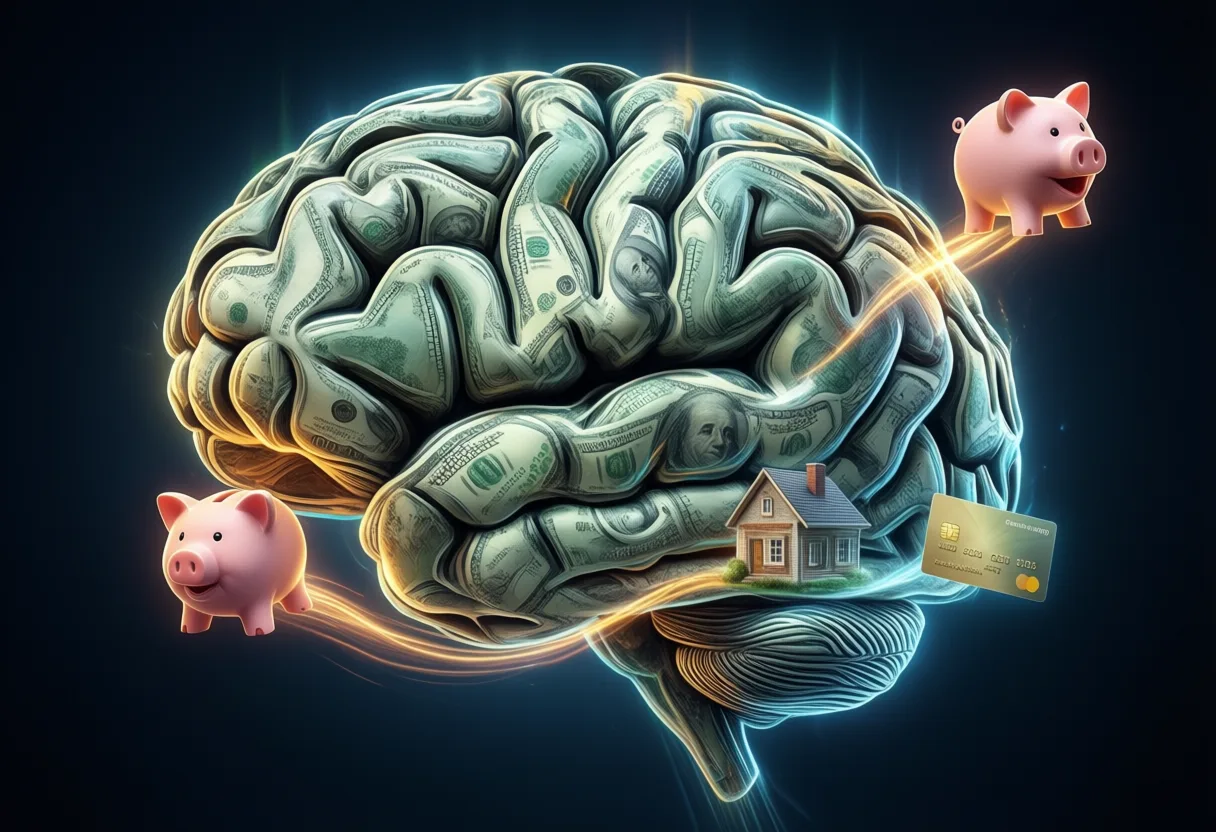
Interest rates shape the financial landscape more than almost any other single factor-determining how much you pay to borrow, how much you earn on savings, and whether it's a good time to buy a home or invest. Right now, those rates are shifting under the weight of economic forces that demand attention but not alarm. Understanding them isn’t just for economists; it’s essential for anyone serious about Building Lasting wealth.

Why Interest Rates Matter More Than You Think
At first glance, interest rates might seem like abstract numbers set by distant institutions. But in reality, they directly influence your monthly budget, long-term goals, and Financial confidence. When rates rise, loans become costlier, but savings accounts may offer better returns. When they fall, borrowing gets cheaper, but yield on safe investments drops-forcing savers to rethink their strategies.
Think of Interest rates As the economy’s thermostat. They’re adjusted to either cool down inflation or heat up growth, depending on what the moment requires. For individuals, this means timing matters. Taking out a mortgage during a low-rate cycle can save tens of thousands over 30 years. Conversely, locking in a high-yield savings account during a peak rate period can boost emergency funds faster. The key is recognizing where we are in the cycle-and acting accordingly.
Monitoring broader trends helps, but personal action seals the deal. Using tools like a Personal Finance Dashboard Tracks Spending And Savings Goals allows you to simulate how rising loan rates affect your monthly cash flow. Pair that with disciplined habits taught in Personal Finance Courses Help You Build Real Budgeting Skills, and you gain both awareness and control. This isn’t speculation-it’s strategy grounded in daily discipline.
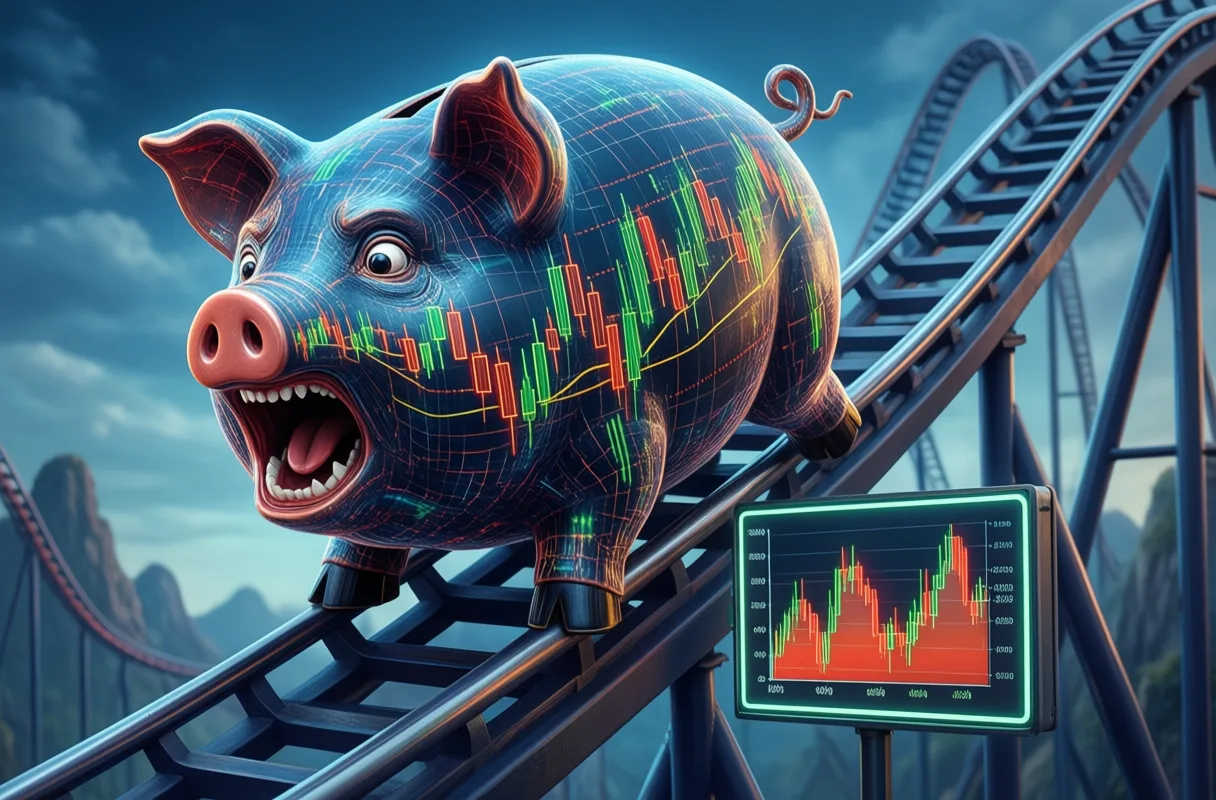
How Different Types of Rates Impact Your Life
Mortgage Rates: The Long-Term Lever
Mortgage rates Are perhaps the most impactful because of their size and duration. A small change-say, from 5.8% to 6.5%-can add hundreds to your monthly payment on a $400,000 loan. Over time, that difference compounds, affecting everything from retirement planning to college funding.
Homebuyers often focus only on qualifying for a loan, not optimizing its terms. But refinancing during favorable windows or choosing between fixed and adjustable rates can make a dramatic difference. Those with strong credit and stable income should watch rate trends closely, as even short dips create opportunities. Timing isn’t everything, but it’s something.
For those still building toward homeownership, tracking these shifts Builds smarter Habits. Start preparing early by organizing finances through resources like Personal Finance Basics To Master Your Money Today. Knowledge reduces fear when markets shift unexpectedly.
Credit Card and Loan Rates: The Silent Wealth Eroders
Credit card interest rates tend to be among the highest available-often exceeding 20% when promotional periods end. Carrying a balance under these conditions is one of the fastest ways to undermine financial progress. Unlike mortgages, these rates are variable and closely tied to the prime rate, meaning they adjust quickly when policy changes occur.
Personal loans follow a similar pattern, though typically at lower percentages. Still, borrowers with lower credit scores face significantly higher costs, making debt consolidation risky if not managed carefully. The lesson? Avoid borrowing at peak rate cycles unless absolutely necessary.
Technology can help mitigate risk. Apps that automate payments and spending alerts reduce the chance of missed deadlines or surprise charges. Explore options through Personal Finance Apps Help You Budget Track And Save Daily to stay ahead of due dates and interest accrual. Discipline plus data equals defense.
Savings and Investment Rates: Turning Inflation Into Opportunity
While savers often feel punished during low-interest environments, today’s climate offers a rare upside: many high-yield accounts now offer returns competitive with conservative bonds. Online banks and credit unions frequently lead this trend, passing on higher yields because they have lower overhead.
Even modest increases-from 0.5% to 3.5% APY-can transform how fast an emergency fund grows. Compound interest works slowly at first, then accelerates. That makes starting early critical, regardless of market conditions. Consistency trumps perfection.
Investors must also reassess asset allocation when rates rise. Bonds lose value when new issues offer better yields, but dividend stocks and floating-rate funds may thrive. Diversification remains the best protection. For deeper insight, consider joining a community like the Personal Finance Club Helps Members Build Lasting Wealth where shared experience sharpens individual decisions.

Building a Rate-Aware Financial Mindset
Understanding interest rates isn’t about predicting the future-it’s about preparing for multiple scenarios. Economic cycles turn slowly, but their effects ripple outward into jobs, housing, and consumer confidence. Staying informed doesn’t require constant monitoring, just consistent learning.
Begin by mapping your current exposure: list all debts, their interest types (fixed or variable), and corresponding rates. Then do the same for savings and investment accounts. This simple inventory reveals vulnerabilities and strengths. Are you paying high interest while earning next to nothing on deposits? That imbalance is fixable.
Next, align your behavior with macro trends without overreacting. If rates are rising, prioritize paying down variable-rate debt and delay large purchases requiring financing. If they’re falling, consider refinancing existing loans-but avoid overextending just because credit feels cheap.
Finally, remember that personal finance is personal. National averages don’t dictate your choices-they inform them. Use tools, education, and peer support to build resilience. Whether you're mastering fundamentals or fine-tuning complex portfolios, every decision gains clarity when viewed through the lens of interest dynamics.
The path to financial strength isn’t found in chasing headlines-it’s built quietly, day by day, choice by choice. With the right mindset and tools, today’s rates don’t have to hold you back. They can become part of your advantage.
Why Interest Rates Feel Like Weather Forecasts
You know how the forecast can change from sunny to stormy in minutes? Interest rates kind of work the same way-always shifting based on economic conditions, and just as tricky to predict. But unlike the weather, these shifts directly impact your wallet, from what you pay on a car loan to how much your savings grow. A key thing to remember is that rates aren’t set in stone; they respond to big-picture factors like inflation and central bank decisions, which means your borrowing costs today might not look the same six months from now.
The Surprising Link Between Your Loan and the Economy
Here’s a fun twist: when inflation heats up, lenders charge more for loans to make up for the fact that money loses value over time. That’s why rates often climb during inflation spikes-it’s not just banks being greedy. In fact, during periods of high inflation, even savings accounts might offer better returns, though they usually lag behind. Another oddity? Some of the lowest interest rates in modern history were seen in the early 2020s, making borrowing cheap but doing little for savers. On the flip side, rates can climb fast-sometimes within a single year-making it smart to lock in fixed rates when you can.
A Hidden Perk of Rising Rates
While rising rates can sting for borrowers, there’s a silver lining: high-yield savings accounts and certificates of deposit start paying more. So if you’ve got cash sitting in a near-zero account, a rate hike might finally put some extra pennies in your pocket. And here’s a quirky fact-some credit cards offer 0% introductory rates, but miss a payment and that deal vanishes, often with a steep penalty rate. It’s like a financial booby trap. Knowing how rates work helps you dodge these pitfalls and even use them to your advantage. Explore more stories, videos, and creators on Loaded.
Frequently Asked Questions
How do interest rates affect my monthly budget?
Interest rates directly impact how much you pay to borrow and earn on savings. Rising rates make loans costlier but may increase returns on savings accounts.
Why are mortgage rates important for long-term financial planning?
Mortgage rates affect monthly payments and total cost over time. A small rate increase can add hundreds per month on a large loan, impacting retirement and education savings.
What makes credit card interest rates risky?
Credit card rates are often high and variable, sometimes exceeding 20%. They adjust with the prime rate, so carrying a balance can quickly erode financial progress.
Can rising interest rates benefit savers?
Yes, rising rates can increase returns on high-yield savings accounts and CDs, allowing savers to earn more on deposits than in low-interest environments.
Not financial advice. This article is general information, not financial, investment, tax or legal advice. Talk to a qualified professional before making money decisions.
This article was produced with AI assistance. How Money Maker Magazine uses AI.
Priya investigates innovation-driven industries, from fintech to AI startups, analyzing how disruptive technologies reshape business models and create new financial frontiers. She combines deep research with forward-looking insight to guide savvy investors.