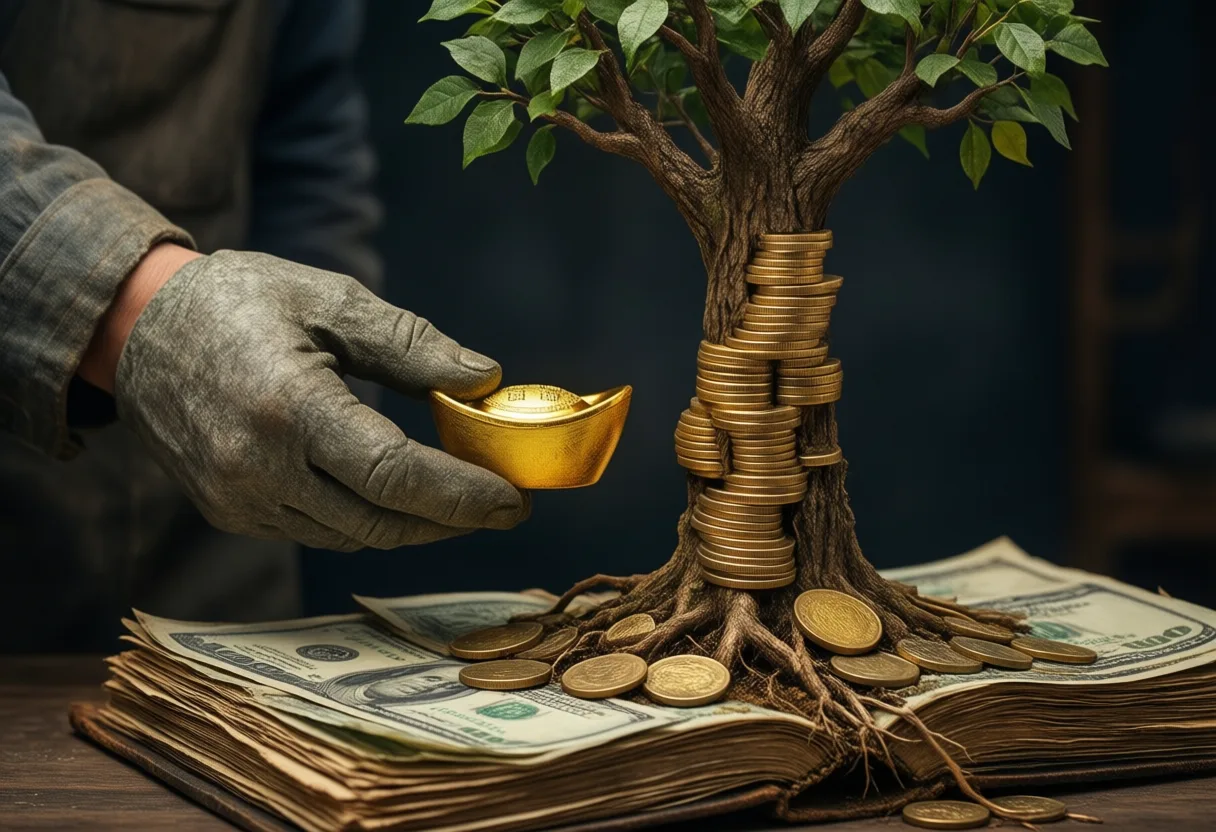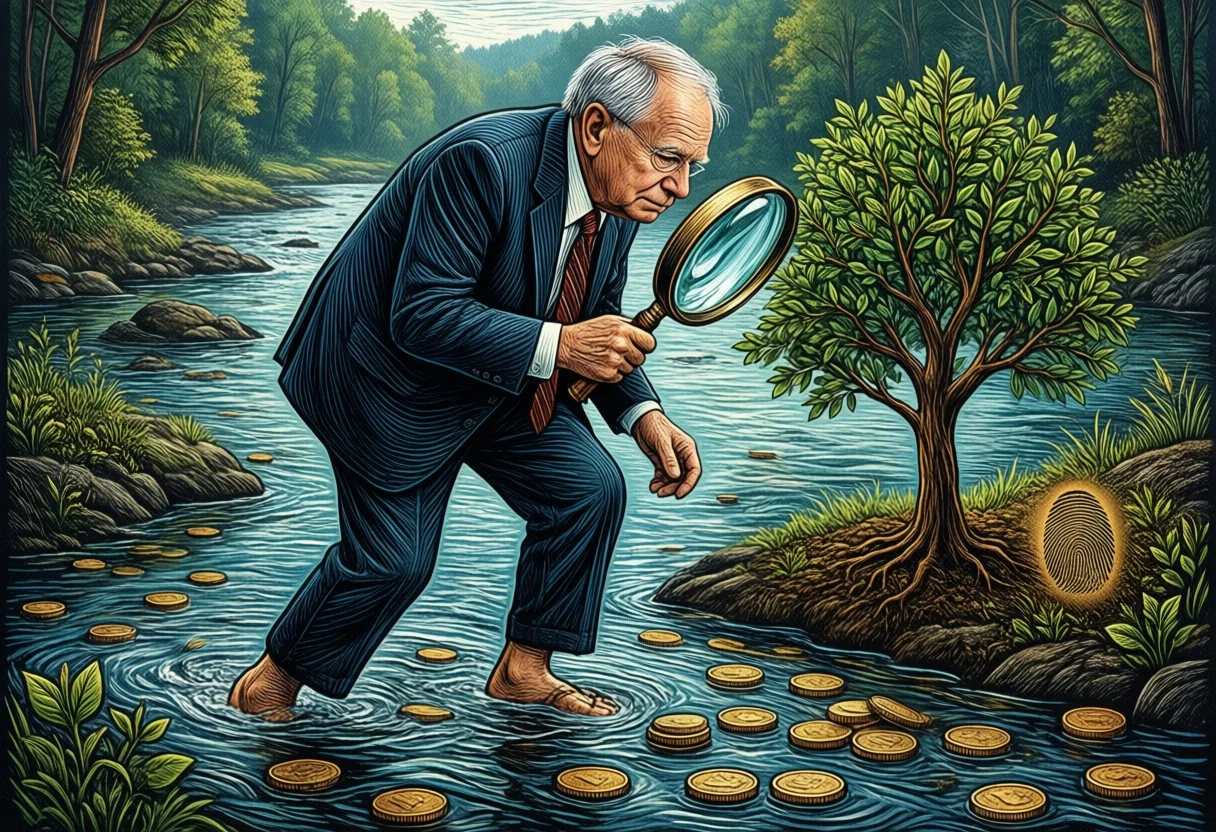
Building lasting wealth isn’t about luck or timing the market perfectly. It’s about Consistent decisions, disciplined habits, and a Clear long-term Vision-traits shared by the world’s most successful investors. Like a detective piecing together clues, the path to financial growth reveals itself not in shortcuts, but in patterns of behavior repeated over time.
Think Like an Owner, Not a Trader
Most people treat the stock market like a casino. They watch Price swings, react to headlines, and chase quick wins. But the wealthiest investors see companies differently-they view shares as partial ownership in real businesses with real earnings, products, and long-term potential.
When you buy a stock, you’re not just betting on a ticker symbol. You’re aligning with a company’s ability to generate profits, adapt to change, and grow over years or decades. This shift in mindset separates short-term gamblers from long-term builders. Instead of asking, “Will this go up tomorrow?” Ask, “Would I want to own this company for 10 years?”
Warren Buffett famously avoids investments he can’t understand. He sticks to businesses with durable advantages-brands customers trust, efficient operations, or pricing power. These traits don’t disappear in a downturn. They compound. Over time, Companies that consistently earn more can reinvest, expand, and reward shareholders Through rising stock prices and dividends.
- Focus on profitability, not just popularity.
- Look for steady revenue growth and strong cash flow.
- Avoid complex financial structures you can’t clearly explain.
Markets will fluctuate. That’s guaranteed. But if you own well-run businesses, volatility becomes an opportunity-not a threat. The key is patience. Real wealth accumulates quietly, beneath the noise of daily price changes.
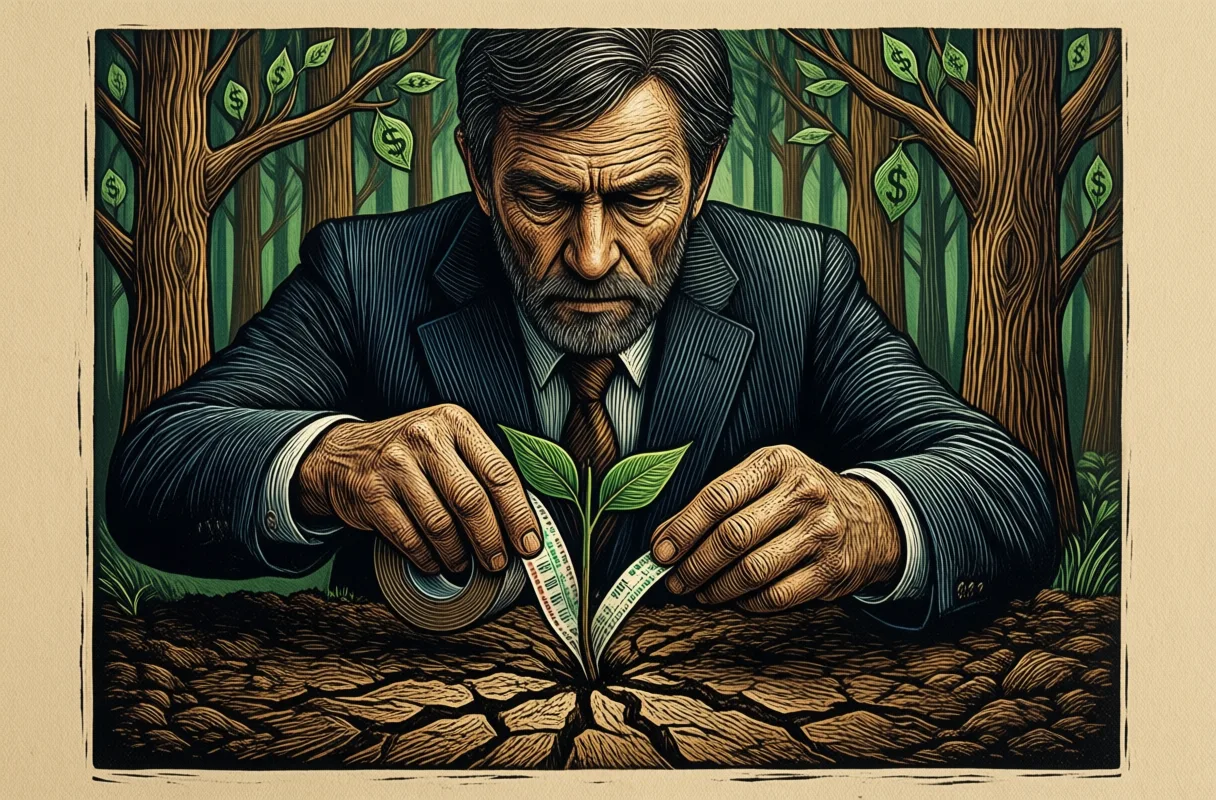
Diversification: Your Invisible Safety Net
Putting all your money into one stock, sector, or asset class is like betting your entire case on a single clue. One misstep, and the whole investigation collapses. Diversification spreads risk across different types of investments, so no single failure can derail your long-term plan.
This doesn’t mean owning 100 random stocks. It means building a portfolio that balances growth and stability. Stocks offer long-term appreciation, but bonds can cushion losses during market drops. Real estate provides income and inflation protection. Even cash has a role-keeping you ready to act when others are forced to sell.
Ray Dalio’s “All Weather” strategy is built on this principle: design a portfolio that performs reasonably well in any economic environment. Whether inflation rises, interest rates fall, or growth slows, different assets respond differently. By combining them, you smooth out the ride.
- Allocate based on your goals and timeline, not emotions.
- Rebalance periodically to maintain your target mix.
- Avoid overconcentration in any single industry or country.
Diversification won’t make you the highest returns in a bull market. But it also won’t leave you shattered in a crash. Over decades, Avoiding catastrophic losses is just as important as capturing gains. The math is clear: losing 50% requires a 100% return just to break even.

Time Is Your Greatest Ally
The most powerful force in investing isn’t stock picks, market timing, or insider knowledge. It’s time. The longer your money is invested, the more it can grow through compounding-earning returns not just on your initial capital, but on the returns themselves.
Imagine two investors. One starts at age 25, saving $300 a month with a 7% annual return. The other waits until 35 to begin, saving the same amount. By age 65, the first investor will have nearly twice as much-despite investing the same monthly amount for just 10 extra years. That’s compounding in action.
Starting early gives you flexibility. You don’t need to make perfect decisions. Mistakes can be corrected. Markets recover. But delaying forces you to take bigger risks later to catch up-often at the worst possible time.
- Automate contributions to remove emotion.
- Increase savings gradually as income grows.
- Stay invested through downturns-don’t panic sell.
Every dollar invested today has more growth potential than a dollar invested tomorrow. That’s why The best time to start building wealth was years ago-the second best time is now. Consistency beats intensity when time is on your side.
Keep Costs Low and Emotions in Check
High fees quietly erode returns. A 1% annual fee may seem small, but over 30 years, it can consume 25% or more of your potential gains. Index funds and low-cost ETFs offer broad market exposure at a fraction of the cost of actively managed funds, which often fail to beat the market after fees.
Emotions are equally dangerous. Fear drives selling at the bottom. Greed fuels buying at the peak. Both lead to buying high and selling low-the exact opposite of a winning strategy. Successful investors create rules and stick to them, regardless of market noise.
- Choose low-cost investment vehicles with transparent structures.
- Avoid frequent trading, which increases taxes and fees.
- Build a plan and review it regularly-don’t react to headlines.
Discipline isn’t flashy. It doesn’t make headlines. But it’s the foundation of lasting wealth. The market rewards those who stay calm, stay focused, and stay the course.

Final Thoughts: Wealth Is a Process, Not an Event
Long-term wealth isn’t created overnight. It’s the result of smart habits practiced consistently over time. Think like an owner. Spread your risk. Let compounding work. Start early. Keep costs low. Stay disciplined.
No single decision will make you rich. But a series of sound choices, repeated year after year, will. The path isn’t mysterious-it’s just rarely followed. That’s what makes it work.
| Principle | Key Benefit | Example or Insight |
|---|---|---|
| Think Like an Owner | Focuses on long-term business value | Ask: Would I own this for 10 years? |
| Diversification | Reduces risk of catastrophic loss | Balance stocks, bonds, real estate, cash |
| Time and Compounding | Boosts growth through reinvested returns | Start early-even small amounts grow |
| Low Costs | Preserves more of your returns | Index funds cost less than active funds |
| Emotional Discipline | Prevents buying high and selling low | Stick to a plan, avoid market noise |
| Dividend Reinvestment | Accelerates compound growth | More shares generate more future dividends |
Building Wealth That Lasts
The Power of Starting Early
Time is your greatest ally when growing wealth. Even small investments made early can outpace much larger ones made later, thanks to compound growth. Imagine two people: one starts investing $200 a month at age 25, and another starts at 35 with $400 a month. Assuming a steady return, the earlier investor could still end up with more by retirement, simply because their money had more time to grow. This isn’t magic-it’s math working in your favor.
Boring Can Be Brilliant
Many top investors swear by simple, low-cost index funds instead of chasing hot stocks. These funds track entire markets, like the S&P 500, spreading risk across hundreds of companies. Historically, most actively managed funds fail to beat the market over decades. Sticking with broad market funds avoids the guesswork and often delivers stronger long-term results. Consistency beats cleverness more often than you’d think.
The Silent Wealth Builder
Reinvesting dividends quietly turbocharges growth. Instead of taking that cash payout, using it to buy more shares means future dividends generate even more shares. Over time, this snowball effect compounds significantly. Some long-term investors earn far more from reinvested dividends than from the original stock price increase. It’s a slow drip that can fill a very large bucket. Explore more stories, videos, and creators on Loaded.
Frequently Asked Questions
Why is thinking like an owner important for long-term investing?
Thinking like an owner means focusing on a company's long-term potential, profitability, and durability rather than short-term price movements. This mindset helps investors choose businesses they would hold for years and avoid reactive trading.
How does diversification protect an investment portfolio?
Diversification spreads risk across different asset classes like stocks, bonds, real estate, and cash. This balance helps cushion losses during market drops and keeps the portfolio stable across various economic conditions.
What role does time play in building wealth through investing?
Time allows investments to grow through compounding, where returns generate additional returns. Starting early, even with smaller amounts, can result in significantly larger wealth over decades.
Why should investors keep costs and emotions in check?
High fees reduce long-term returns, and emotional decisions often lead to buying high and selling low. Staying disciplined with low-cost investments and a consistent plan improves the odds of lasting success.
Not financial advice. This article is general information, not financial, investment, tax or legal advice. Talk to a qualified professional before making money decisions.
This article was produced with AI assistance. How Money Maker Magazine uses AI.
Priya investigates innovation-driven industries, from fintech to AI startups, analyzing how disruptive technologies reshape business models and create new financial frontiers. She combines deep research with forward-looking insight to guide savvy investors.