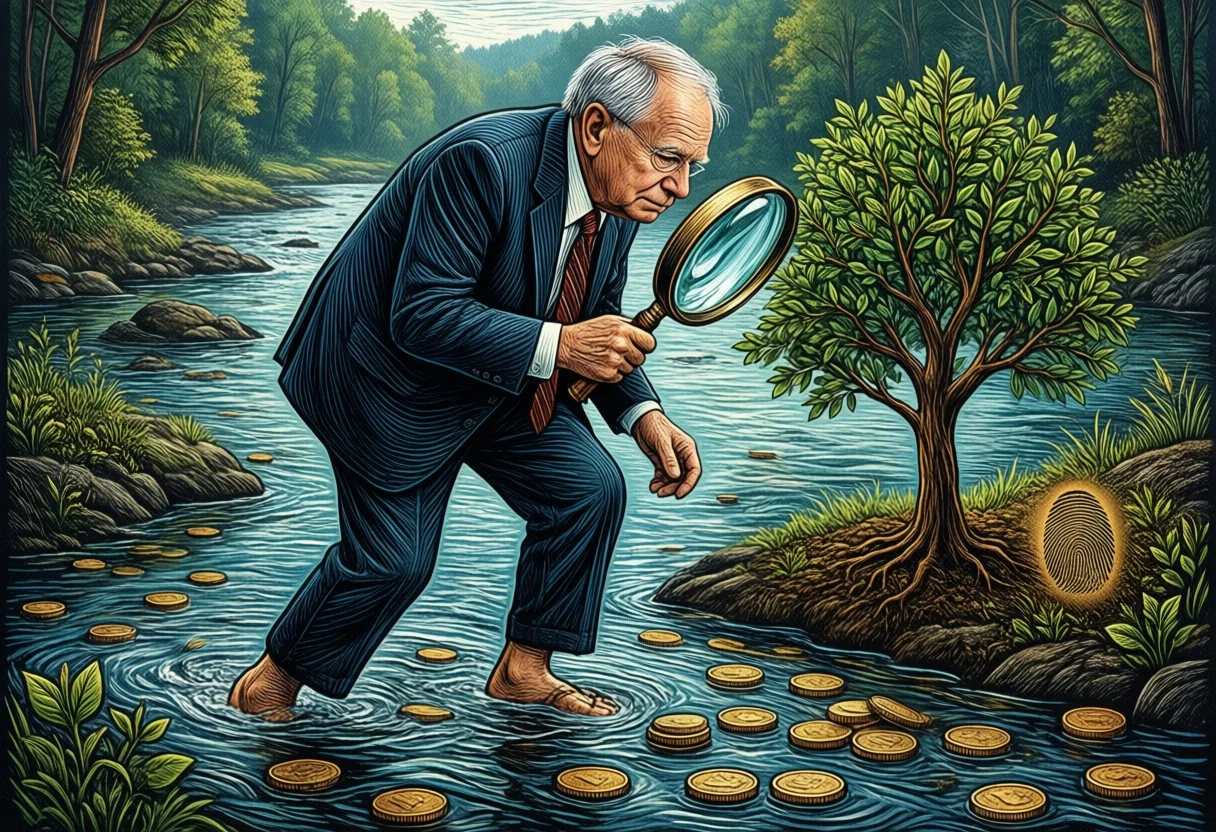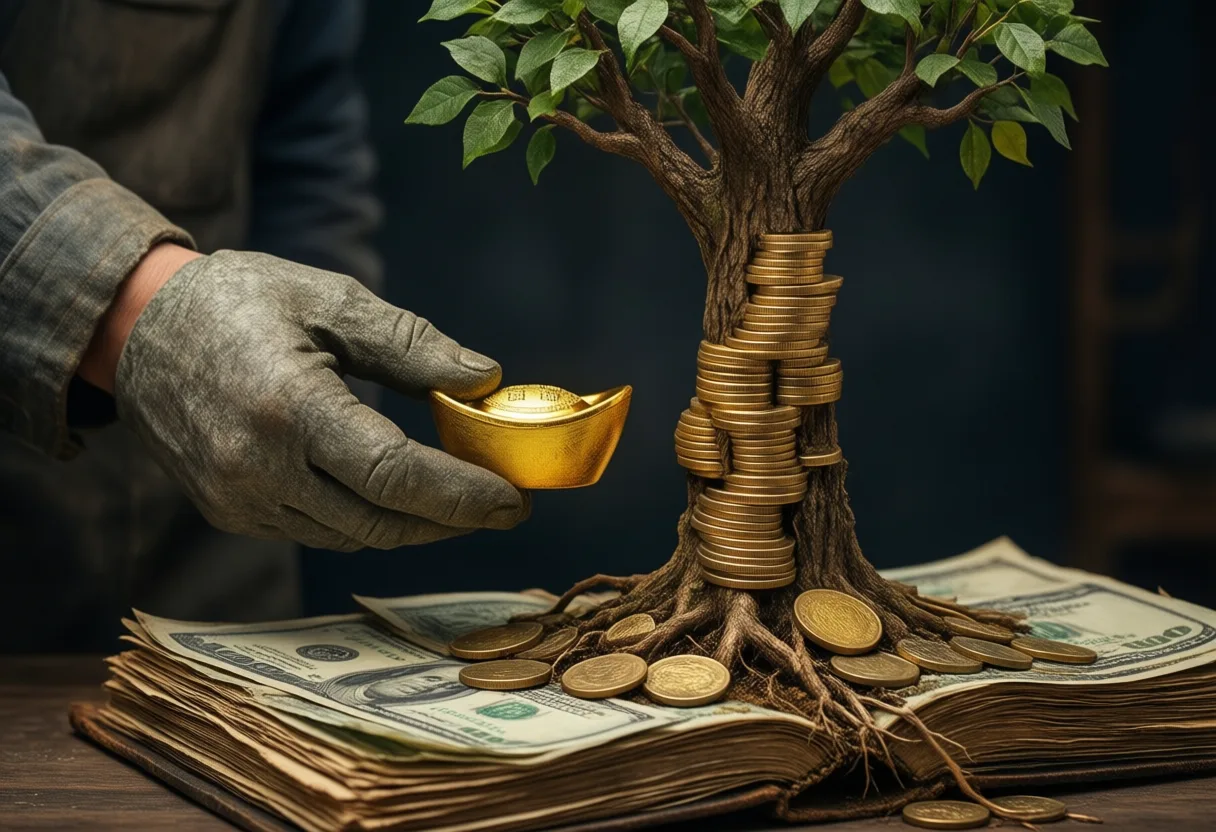
You’re sitting at your kitchen table, coffee cooling, staring at your monthly statement. The numbers flicker-some up, some down-but the big picture feels slow, almost stagnant. You’ve heard the noise: get rich quick, Crypto swings, meme stocks-but deep down, you know real wealth isn’t built in a sprint. It’s grown, patiently, like an oak from an acorn.
I’ve walked through boardrooms and budget spreadsheets, talked to retirees who live off dividends like clockwork, and met young professionals stacking wealth before 30. The ones who succeed aren’t chasing fireworks. They’re planting trees. And the soil? Prudent investment Strategies Rooted in time, discipline, and smart risk management.
Let’s cut through the hype. No magic bullets. No secret vaults. Just clear, time-tested moves that let compound growth do the heavy lifting-moves that Warren Buffett would nod at over a Cherry Coke, and Ray Dalio might diagram with calm precision.
Start With What You Can Control
Markets are unpredictable. A geopolitical flare-up, a surprise inflation report-these can send ripples through your portfolio before breakfast. But your behavior? That’s yours. And it’s the single biggest lever you have.
You can’t control the S&P 500’s return next year. But you Can Control how much you save, when you invest, and how often you panic-sell. The most successful investors aren’t the smartest-they’re the most consistent. They automate contributions, ignore the noise, and let time do the work.
Think of your portfolio like a garden. You don’t dig up the seeds every week to check if they’re growing. You water, wait, and trust the process. That means setting up automatic transfers to your brokerage or retirement account. Make investing as routine as paying your phone bill.
- Automate contributions to your 401(k) or IRA
- Rebalance annually to maintain your target mix
- Avoid emotional trades during market swings
It’s not flashy. But consistency compounds-just like your returns.
And if you’re carrying high-interest debt, that’s a weed in the garden. While some debt can be strategic-like a low-rate mortgage used to buy appreciating assets-credit card balances eating 18% interest? That’s growth in reverse. Tackle those first. Then, consider whether certain debt could be part of a broader strategy. For instance, Buy Debt: A Prudent Move in Investment Strategy? Explores how acquiring debt at the right terms can sometimes serve long-term goals-when used with extreme discipline.

Build a Foundation With Diversified Assets
Putting all your money in one stock, sector, or even one country is like crossing a canyon on a tightrope-with no net. One misstep and the fall is steep. Diversification isn’t about maximizing returns. It’s about surviving long enough to earn them.
Start with low-cost index funds. They spread your money across hundreds or thousands of companies, instantly reducing single-stock risk. A broad U.S. Total market fund, paired with an international index, gives you exposure to global growth without needing a PhD in corporate finance.
Over decades, the market has historically trended upward-not in a straight line, but with enough momentum to turn modest monthly investments into life-changing sums. The key is staying in. Missing just a few of the best performing days can slash your long-term gains.
Here’s how a diversified mix might look:
- 60% in broad market index funds (U.S. And international)
- 20% in real estate or REITs For inflation protection
- 10% in bonds To smooth out volatility
- 10% in alternative assets Like commodities or private equity (for accredited investors)
Rebalance every year or two. If stocks have a big run, they might grow to 70% of your portfolio. Sell a bit, buy more bonds or international funds-reset to your original plan. This forces you to “sell high, buy low” without emotion.
And remember: fees are silent killers. A 1% annual fee doesn’t sound like much, but over 30 years, it can eat 20% or more of your potential wealth. Stick to funds with expense ratios under 0.20%. Your future self will thank you.

Harness the Quiet Power of Compounding
Albert Einstein allegedly called compound interest the eighth wonder of the world. Whether he said it or not, the math doesn’t lie. It’s the engine behind long-term wealth-and it only works if you give it time.
Imagine two people: Alex starts investing $300 a month at age 25. Taylor waits until 35 to start, then invests the same amount. Both earn an average 7% annual return. By 65, Alex has nearly twice as much as Taylor-despite investing only $36,000 more. That’s compounding: returns earning their own returns, decade after decade.
It’s not about timing the market. It’s about Time in The market. The earlier you start, the less you need to save each month. Delay only increases the burden on future you.
And reinvest your dividends. Every payout that goes back into your portfolio buys more shares, which then generate their own returns. It’s a snowball rolling downhill-small at first, then unstoppable.
Think of it like a savings account that pays you, then takes its own payment and puts it to work. Over 30 years, reinvested dividends can account for more than half of your total return in a stock portfolio.
So stay patient. Stay steady. Turn off the financial news when it screams crisis. Tune out the influencer hawking “the next Tesla.” Your wealth isn’t built on adrenaline. It’s built on repetition, resilience, and the quiet magic of compounding.

Think Like an Owner, Not a Trader
Most people treat stocks like lottery tickets-buy, watch, sell. But real wealth comes from thinking like an owner. When you buy a share of a company, you own a slice of its future earnings, its products, its potential.
Buffett doesn’t trade. He invests in businesses he understands, with durable advantages, run by honest leaders. Then he holds. For years. Decades. He’s not reacting to quarterly noise. He’s watching the long-term cash flow.
You don’t need to pick the next Apple. But you should understand what you own. If you can’t explain a company’s business in simple terms, maybe it’s not for your core portfolio.
Instead of chasing trends, ask:
- Does this business solve a real problem?
- Can it make money in 10 years?
- Is it priced reasonably today?
Public markets offer access to ownership in some of the world’s most innovative and resilient companies. Treat that access like a privilege-not a casino.
And remember: volatility is not risk. Risk is losing money permanently. Risk is buying something you don’t understand. Risk is needing to sell during a downturn because you didn’t plan for it.
Build an emergency fund first. Keep 3–6 months of expenses in cash. That way, when the market drops 20%, you don’t have to sell low. You can wait. You can even buy more.
Because in the end, long-term wealth isn’t about being the smartest in the room. It’s about being the most patient, the most disciplined, and the one who stays in the game long enough to win.
| Asset Class | Allocation | Purpose |
|---|---|---|
| Broad market index funds | 60% | Core growth with low fees |
| Real estate or REITs | 20% | Inflation protection |
| Bonds | 10% | Reduce portfolio volatility |
| Alternative assets | 10% | Diversify for accredited investors |
Building Wealth That Lasts
The Magic of Starting Early
Time is your greatest ally when growing wealth. Even small amounts invested early can balloon thanks to compound growth. For example, someone who starts investing $200 a month at age 25 could end up with significantly more by retirement than someone who waits until 35 to start, even if the later investor contributes more each month. This isn’t about luck-it’s math working in your favor. The earlier you begin, the more your money earns returns on top of returns, quietly building momentum year after year.
Diversification Isn’t Just a Buzzword
Putting all your money in one stock or sector is like betting on a single horse. Spreading investments across different asset types-stocks, bonds, real estate, and more-reduces risk. Markets shift, industries rise and fall, but a balanced mix helps cushion the blow when one area stumbles. Think of it like a garden: planting only one type of flower leaves the whole plot vulnerable to pests, but a variety increases the chance that something will thrive no matter the season.
Consistency Beats Timing
Trying to predict market highs and lows rarely works out over the long run. Instead, investing steadily-say, each month regardless of market swings-smooths out the cost over time. This method, known as dollar-cost averaging, means you buy more shares when prices are low and fewer when they’re high, which can lower your average cost. It’s not flashy, but it removes emotion and guesswork, letting discipline do the heavy lifting. Explore more stories, videos, and creators on Loaded.
Frequently Asked Questions
What is the benefit of starting to invest early?
Starting early allows more time for compound growth, where returns earn their own returns. Even small monthly investments can grow significantly over decades.
How does diversification reduce investment risk?
Spreading money across different assets like stocks, bonds, and real estate reduces the impact of a single poor performer. It increases the chance that some investments will thrive even if others struggle.
What is dollar-cost averaging and how does it help?
Dollar-cost averaging means investing a fixed amount regularly, regardless of market conditions. It helps buy more shares when prices are low and fewer when high, lowering average cost over time.
Why is consistency more important than market timing?
Consistent investing removes emotion and guesswork. Staying invested through market swings allows participation in long-term growth, including the best performing days that are hard to predict.
Not financial advice. This article is general information, not financial, investment, tax or legal advice. Talk to a qualified professional before making money decisions.
This article was produced with AI assistance. How Money Maker Magazine uses AI.
Diego explores the intersection of culture and commerce, reporting on how trends in travel, fashion, and dining shape consumer behavior and investment opportunities. His work reveals the economic engines behind everyday indulgences.