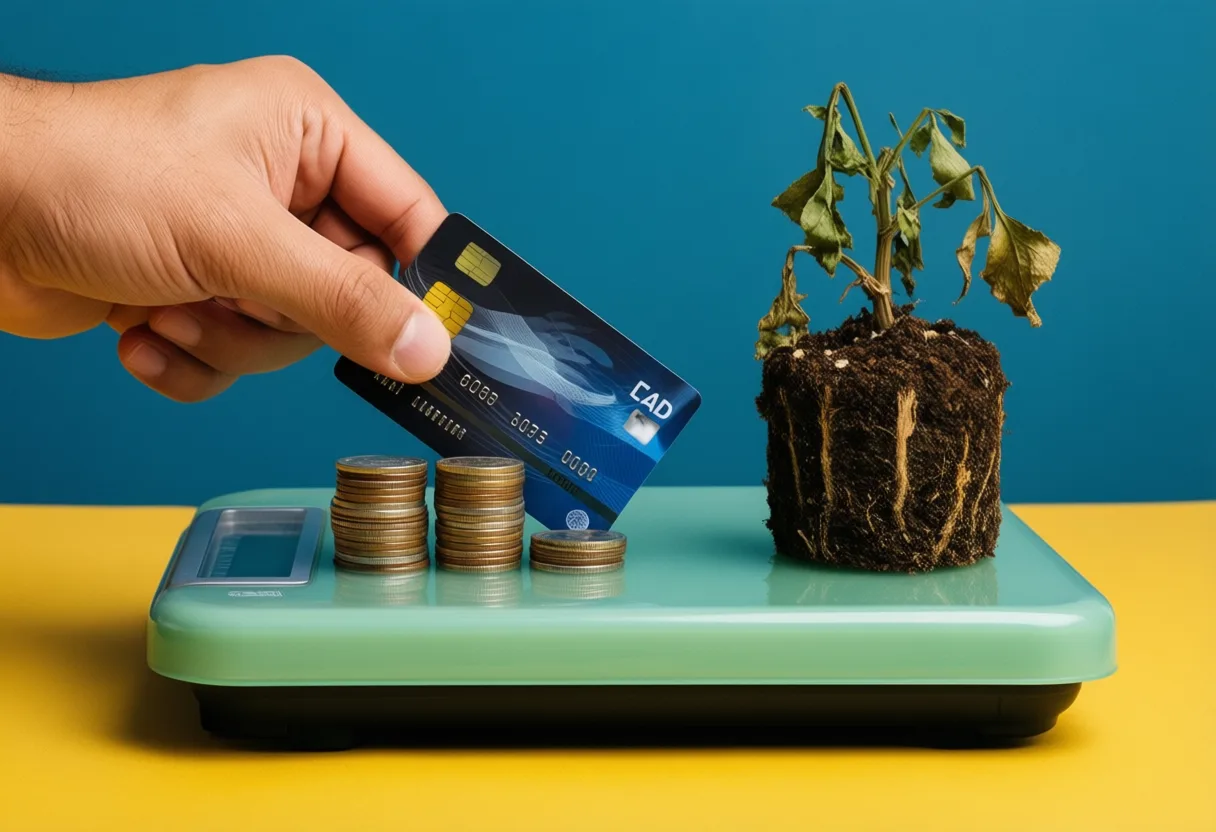
Saving more each month isn’t about drastic cuts or living without comfort. It’s about making consistent, intelligent choices that compound over time-just like a well-balanced investment portfolio.
These strategies are designed for professionals who want clarity, not noise. Think of them as financial guardrails-Simple To install, powerful in the long run.
Start by Paying Yourself First
Treat savings like a non-negotiable expense.
If you wait to Save What’s left after spending, there’s rarely anything left. Instead, allocate a portion of your income to savings the moment you get paid.
This shift in timing changes everything. It forces prioritization and sets a clear boundary between income and consumption.
Think of it as building equity in your future self. Just as a company reinvests profits to grow, you reinvest income to secure stability.
- Decide on a realistic percentage-start with 10% if unsure
- Transfer that amount immediately after each paycheck
- Adjust upward as income increases or expenses decrease
Delaying this step is like skipping Compound interest On purpose. The earlier you begin, the less you need to save later.
Slash Your Monthly Subscriptions Without Sacrificing Joy
Subscriptions are modern financial leaks-small, recurring, and often forgotten.
They start as conveniences but can become silent budget drains over time.
Audit every recurring charge.
List them all: streaming, software, fitness, meal kits, cloud storage. Then ask: “Am I using this fully?”
Canceling doesn’t mean deprivation-it means intentionality. Keep what adds real value and cut what doesn’t.
- Rotate services monthly instead of keeping all year-round
- Share family plans where allowed and appropriate
- Use free trials strategically, not habitually
Joy doesn’t come from access-it comes from engagement. You don’t need five streaming platforms if you only watch two shows.
Reclaiming $30 to $50 a month may seem small, but over a decade, it can grow into thousands-especially if invested.

Automate Savings to Build Momentum Effortlessly
Willpower fades. Systems endure.
Automation removes emotion from saving, turning discipline into default.
Set up automatic transfers to Savings Or investment accounts on payday. Out of sight, out of mind-exactly where savings should be.
The power lies in consistency, not size.
Even $25 per paycheck builds momentum. Over time, the habit becomes invisible-and the balance grows.
- Split direct deposits between checking and savings
- Increase transfer amounts with every raise
- Use employer-sponsored retirement plans with matching
Automated savings act like a dividend reinvestment plan: small inputs, compounding results.
You wouldn’t skip a business expense because you forgot to pay it. Treat savings with the same operational rigor.
Rethink Grocery Spending with a Strategic Approach
Grocery bills are one of the most flexible line items in a budget.
Unlike rent or insurance, food spending responds quickly to smarter decisions.
Plan meals before shopping.
A clear list based on a weekly menu reduces impulse buys and prevents waste.
Shop with a full stomach and a set time limit-both reduce unnecessary purchases.
- Buy store brands for staple items-they’re often identical to name brands
- Purchase non-perishables in bulk when prices are low
- Use unit pricing to compare value, not package size
Strategic grocery shopping isn’t about coupons or extreme frugality. It’s about efficiency-maximizing nutrition and minimizing cost.
Over a year, disciplined grocery habits can free up hundreds-money that can go toward goals, not just leftovers.

Use Cash Back and Rewards Wisely-Not as a Free Pass
Rewards programs can boost savings-but only if used with discipline.
Too often, they encourage overspending just to earn points.
The goal is net savings, not point accumulation.
If you spend $500 to earn $25 in rewards, you’re still down $475.
Never justify a purchase because “you’ll get cash back.” That’s like celebrating a discount on a loss.
- Use rewards on purchases you’d make anyway
- Pay off balances in full each month-interest erases gains
- Stick to one or two cards to avoid confusion
Think of rewards as a bonus, not a budgeting tool. They work best when spending is already under control.
Used wisely, they’re like dividends on routine expenses-small gains that add up over time.
Set Up Separate Accounts for Specific Goals
A single checking account blurs financial priorities.
When everything shares the same space, discipline weakens.
Segregate by purpose.
Create distinct accounts for emergency funds, vacation savings, or a down payment.
This isn’t about complexity-it’s about clarity. Each account becomes a visual milestone.
- Label accounts clearly: “Emergency,” “Car Replacement,” “Holiday”
- Automate deposits into each based on goal timelines
- Avoid dipping into one for another’s purpose
Psychologically, it’s harder to spend money that’s already assigned a job. This mimics how institutions manage capital.
Like asset allocation in investing, separation reduces risk and increases focus.
Negotiate Bills to Keep More of What You Earn
Many fixed expenses aren’t as fixed as they seem.
Internet, phone, insurance-these are services, not taxes.
Initiate the conversation.
Call providers and ask for better rates or promotions for loyal customers.
Competition drives pricing. Mentioning a competitor’s offer often unlocks discounts.
- Bundle services only if it truly saves money
- Reassess annually-rates and needs change
- Be polite but persistent-representatives have discretion
This isn’t haggling-it’s assertive budget management. Professionals negotiate contracts; you should too.
Even a 10% reduction on recurring bills can free up hundreds per year with minimal effort.

Build a Buffer Before Tackling Debt Aggressively
Debt repayment fails when life intervenes.
A single emergency can derail even the best-laid plans.
Start with a small emergency buffer.
Aim for $500 to $1,000 before directing all extra funds to debt.
This prevents new debt when unexpected costs arise-like car repairs or medical fees.
- Use the buffer only for true emergencies, not convenience
- Replenish it immediately after use
- Then accelerate debt payments with confidence
It’s like wearing a seatbelt before driving fast. Safety enables speed.
Without a cushion, financial progress is fragile. With one, you can take smart risks.
Track Every Expense for One Month to Spot Hidden Leaks
You can’t improve what you don’t measure.
Tracking spending for 30 days reveals patterns no budget can predict.
Record every outflow-coffee, apps, parking, subscriptions.
Use a notebook, spreadsheet, or app-consistency matters more than method.
Do it for one month, not forever. The goal is awareness, not obsession.
- Categorize each expense: housing, food, transport, entertainment
- Review weekly to spot trends
- Identify three largest non-essential categories
Most people underestimate small, frequent spending by 20% or more. Once seen, it’s easier to adjust.
This isn’t about guilt-it’s about data. Knowledge is the first edge in personal finance.
| Strategy | Key Action | Potential Benefit |
|---|---|---|
| Pay Yourself First | Transfer savings immediately after payday | Builds long-term financial equity |
| Slash Subscriptions | Cancel unused recurring charges | Save $30 to $50 per month |
| Automate Savings | Set up automatic transfers | Removes willpower, ensures consistency |
| Strategic Grocery Shopping | Plan meals, use lists, buy store brands | Save hundreds per year |
| Use Rewards Wisely | Earn points on necessary purchases | Gain small bonuses without overspending |
| Separate Savings Accounts | Create accounts for specific goals | Improves focus and discipline |
| Negotiate Bills | Call providers for better rates | Save hundreds yearly with minimal effort |
| Build an Emergency Buffer | Save $500 to $1,000 first | Prevents new debt from unexpected costs |
Small Tweaks, Big Gains
The Power of Pennies
Ever tossed loose change into a jar and forgotten about it? That habit might be worth more than you think. Over a year, skipping just one $5 coffee each week adds up to over $250-enough for an emergency fund boost or a nice dinner out. And it’s not just about cutting back; it’s about redirecting. One simple trick is rounding up your purchases to the nearest dollar and saving the difference. Over time, those spare cents can quietly grow into a meaningful sum without feeling like a sacrifice.
Automate Your Wins
Setting up automatic transfers to savings right after payday means you pay yourself first-before you even have a chance to spend it. This small shift removes willpower from the equation and turns saving into a no-brainer. Some folks even split their paycheck between two accounts: one for bills and one for fun money. That way, when the “fun” pot runs dry, the month isn’t over, but overspending slows down naturally. It’s like budgeting with training wheels that actually work. Explore more stories, videos, and creators on Loaded.
Frequently Asked Questions
What does 'pay yourself first' mean?
It means treating savings as a non-negotiable expense by allocating a portion of income to savings immediately after getting paid. This prioritizes saving over spending and builds long-term financial stability.
How can I save money on subscriptions without losing enjoyment?
Audit all recurring charges and cancel those not fully used. Keep services that add real value, share family plans when possible, and rotate subscriptions monthly instead of keeping them all year-round.
Why should I track expenses for one month?
Tracking every expense for 30 days reveals hidden spending patterns and identifies non-essential categories. This awareness helps make informed adjustments without long-term budgeting fatigue.
How do automated savings work?
Set up automatic transfers to savings or investment accounts on payday. This removes emotion from saving, ensures consistency, and builds momentum over time with minimal effort.
Not financial advice. This article is general information, not financial, investment, tax or legal advice. Talk to a qualified professional before making money decisions.
This article was produced with AI assistance. How Money Maker Magazine uses AI.
Nadia covers personal finance and long-term investment frameworks, helping readers build sustainable wealth through practical planning and behavioral insights. She breaks down complex financial systems into relatable, actionable steps without oversimplifying the stakes involved.