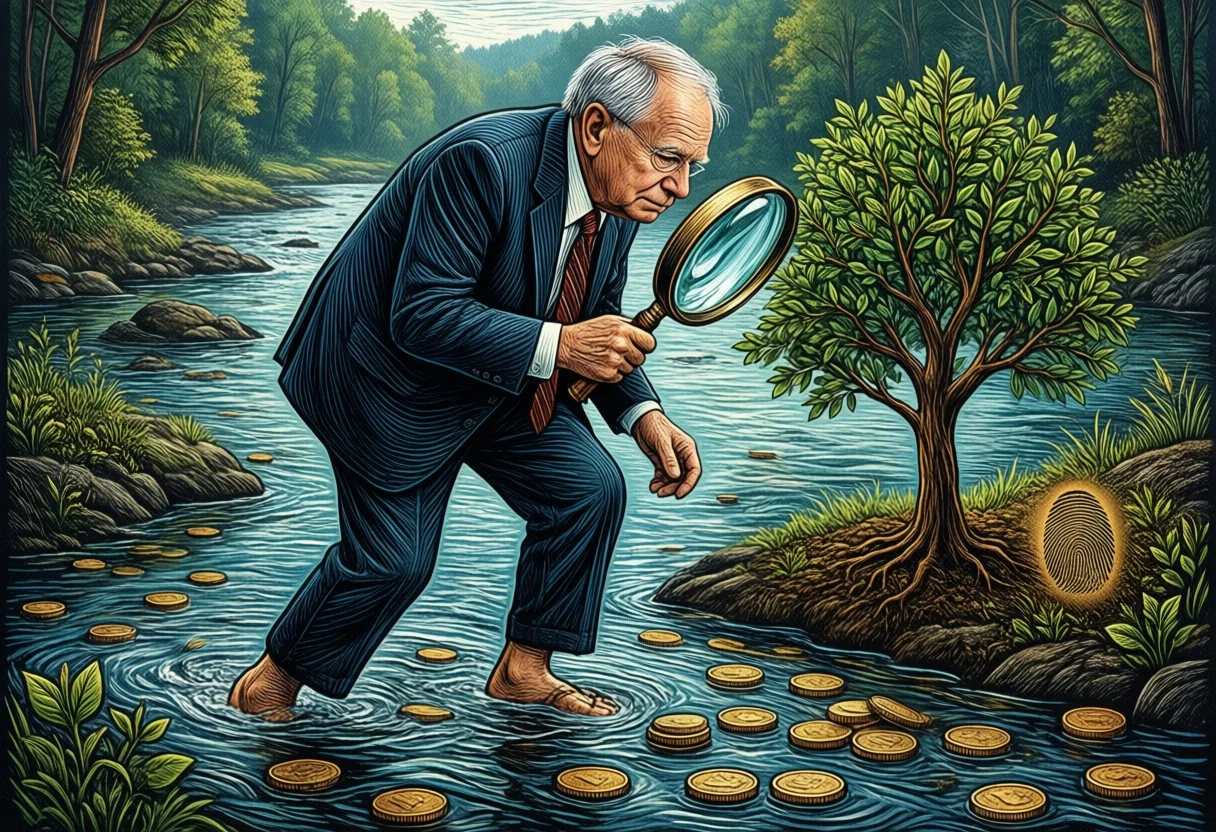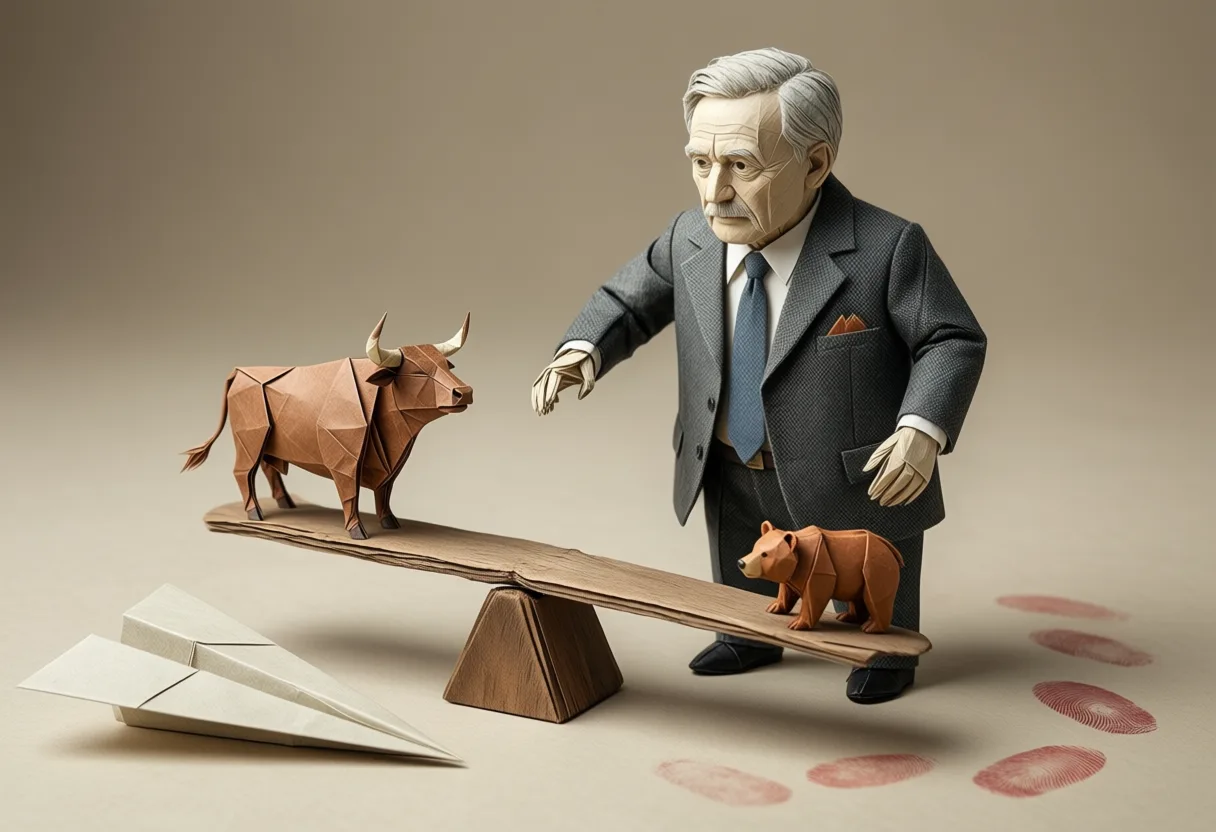
Long-term investing isn’t about chasing Trends-it’s about understanding cycles, risk, and human behavior. Howard Marks, a seasoned investor known for his clear thinking on market fluctuations, offers valuable perspective through his writings and public talks, some of which are available on platforms like YouTube.
While he doesn’t host a traditional investment show, clips of his speeches and interviews have become go-to resources for those studying disciplined capital allocation. His insights, though not tailored for viral content, carry the weight of decades navigating bull and bear markets with precision.
The Mindset Behind Intelligent Investing
Successful investing begins with the right mindset, not the latest tip. Many investors focus on returns without fully grasping the risks they’re taking. Howard Marks emphasizes that Above-average returns only come from doing something different-and doing it correctly. That requires independence, patience, and emotional control.
Most people buy when prices rise and sell when they fall-a pattern rooted in emotion, not logic. Marks often points out that markets are most dangerous when optimism is universal and cheapest when pessimism peaks. Recognizing these psychological extremes is critical for long-term success.
Investors must also accept uncertainty. No one can predict the future with consistency, but you can prepare for various outcomes. This means building portfolios that can withstand setbacks, not just thrive in ideal conditions.
- Think in probabilities, not certainties
- Focus on what assets are worth, not just where they’ve been
- Avoid the trap of extrapolating recent performance into the future
Understanding Risk Beyond Volatility
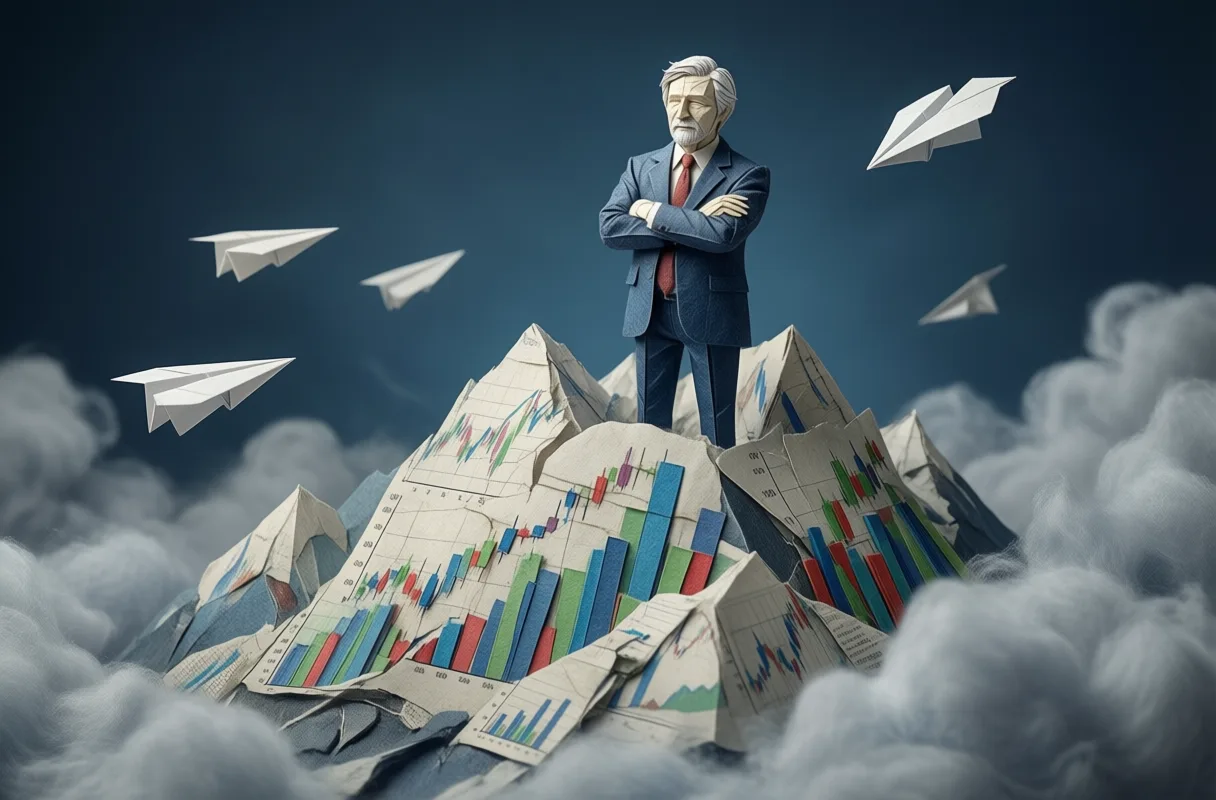
Risk is not just market movement-it’s the permanent loss of capital. Many investors equate volatility with danger, but Marks argues the real threat lies in overpaying, misunderstanding assets, or lacking diversification. When everyone feels safe, risk often builds unseen.
During periods of calm, investors tend to take on more leverage and reach for yield. This behavior compresses risk premiums and sets the stage for future losses. The disciplined investor resists this drift, staying anchored to fundamentals.
Risk assessment should be forward-looking and qualitative as well as quantitative. It includes asking:
- Who else owns this asset?
- How widely accepted is the consensus?
- What could go wrong that the market isn’t pricing in?
When risk is ignored, corrections follow. But when fear dominates, opportunities emerge for those with dry powder and steady nerves. Marks’ approach teaches that The best investments are often the least popular at the time they’re made.
The Value of Second-Order Thinking
First-level thinkers see the world as it appears; second-order thinkers see how it could change. A first-level investor might say, “This company is growing, so I’ll buy.” A second-order thinker asks, “Is this growth already priced in, and what happens if it slows?”
Marks champions this deeper level of analysis. It’s not enough to identify a strong business-investors must also judge market expectations and positioning. The gap between perception and reality is where returns are made.
This kind of thinking requires humility. It means questioning your own assumptions and seeking out disconfirming evidence. It also means being comfortable with being wrong sometimes, as long as your process is sound.
Second-order thinking applies to macro trends too:
- How might rising interest rates affect investor behavior, not just valuations?
- What happens to tech valuations if inflation remains sticky?
- Could geopolitical shifts redefine supply chains in ways markets haven’t priced in?
Those who think ahead of the curve position themselves not for what’s happening, but for what’s next.

Learning From Experience, Not Hype
The internet is full of investment noise-YouTube Included. While videos discussing Howard Marks’ memos or speeches can be educational, they often strip context for brevity. Clips highlighting “buy this” or “avoid that” miss the essence of his philosophy: process over prediction.
Marks built his reputation through decades of writing detailed memos that explore nuance, contradiction, and uncertainty. These aren’t quick fixes-they’re frameworks for better judgment. Watching summaries can spark insight, but they can’t replace deep engagement.
For long-term success, investors should focus on timeless principles:
- The cyclical nature of markets
- The inevitability of mistakes
- The importance of margin of safety
Rather than chasing viral insights, build a habit of reflection. Revisit past decisions, analyze outcomes, and refine your approach. That’s how experience becomes wisdom.

Building a Resilient Investment Plan
A great strategy isn’t measured by its returns in good times, but by its survival in bad ones. Howard Marks often speaks about the importance of durability-designing portfolios that don’t rely on perfect conditions.
This means avoiding overconcentration, limiting debt, and maintaining liquidity. It also means setting realistic expectations. High returns come with high risk; consistent returns come with discipline.
Your investment plan should reflect your goals, time horizon, and emotional tolerance for loss. There’s no universal formula, but there are universal principles:
- Understand what you own
- Know why you own it
- Be ready to hold-or sell-when conditions change
Markets will test your resolve. The investors who endure are those who planned for the test before it came.
Final Thoughts: Wisdom Over Virality
Lasting success in investing has little to do with trending videos or catchy soundbites. It comes from cultivating judgment, managing emotions, and thinking independently. Howard Marks’ influence persists not because of YouTube algorithms, but because his ideas withstand time.
Access to his insights-whether through recorded talks or written memos-offers a rare chance to learn from a mind shaped by cycles, crises, and calm. But the real value isn’t in watching; it’s in applying.
Stay focused on process, not performance. Prioritize understanding over urgency. And remember: the best returns often come not from doing what’s popular, but from doing what’s thoughtful.
Wisdom from the Oaktree Vault
The Memo That Built a Following
Howard Marks doesn’t do flashy YouTube videos or social media stunts. His insights reach investors through a different, quieter channel: his legendary memos. These writings, produced primarily for Oaktree Capital clients, have gained such a devoted audience that fans transcribed and uploaded readings of them to YouTube, turning dense financial commentary into surprisingly popular audio content. That means when people search for “Investment Strategies Howard Marks YouTube,” they’re often finding passionate readers bringing his memos to life, not Howard himself on camera.
Second-Level Thinking, Explained Simply
One of Marks’ most famous concepts-second-level thinking-often gets broken down in fan-made videos. It’s not just about being smarter; it’s about thinking differently than the crowd. First-level thinkers say, “This company has great prospects.” Second-level thinkers ask, “Is that already priced in, and what happens if expectations aren’t met?” This mental discipline helps explain why he’s known for caution during bubbles and opportunity-spotting in downturns. You’ll hear this idea repeated in YouTube summaries because it’s practical, repeatable, and cuts through market noise.
The Risk Paradox
Marks flips the common view of risk on its head. Most people think risk means volatility-the ups and downs. Marks argues real risk is the chance of permanent loss, especially when investors get complacent. He often says high prices Create Risk, not the other way around. That’s why his memos stress humility and margin of safety. This counterintuitive take resonates so strongly that it’s a staple in almost every YouTube discussion of his work, helping viewers rethink how they assess danger in their own portfolios. Explore more stories, videos, and creators on Loaded.
Frequently Asked Questions
What is Howard Marks' view on risk in investing?
Howard Marks believes real risk is the permanent loss of capital, not volatility. High prices and complacency create risk, not market fluctuations.
What is second-order thinking in investing?
Second-order thinking means looking beyond surface-level opinions to consider how market expectations are priced in and what could go wrong.
Where can I find Howard Marks' investment insights online?
While Howard Marks doesn't host a YouTube channel, clips of his speeches and interviews are available. Fans have also uploaded readings of his memos.
Why are Howard Marks' memos so influential among investors?
His memos offer deep, nuanced analysis of market cycles and risk. They emphasize process over prediction and have built a devoted following.
Not financial advice. This article is general information, not financial, investment, tax or legal advice. Talk to a qualified professional before making money decisions.
This article was produced with AI assistance. How Money Maker Magazine uses AI.
Priya investigates innovation-driven industries, from fintech to AI startups, analyzing how disruptive technologies reshape business models and create new financial frontiers. She combines deep research with forward-looking insight to guide savvy investors.