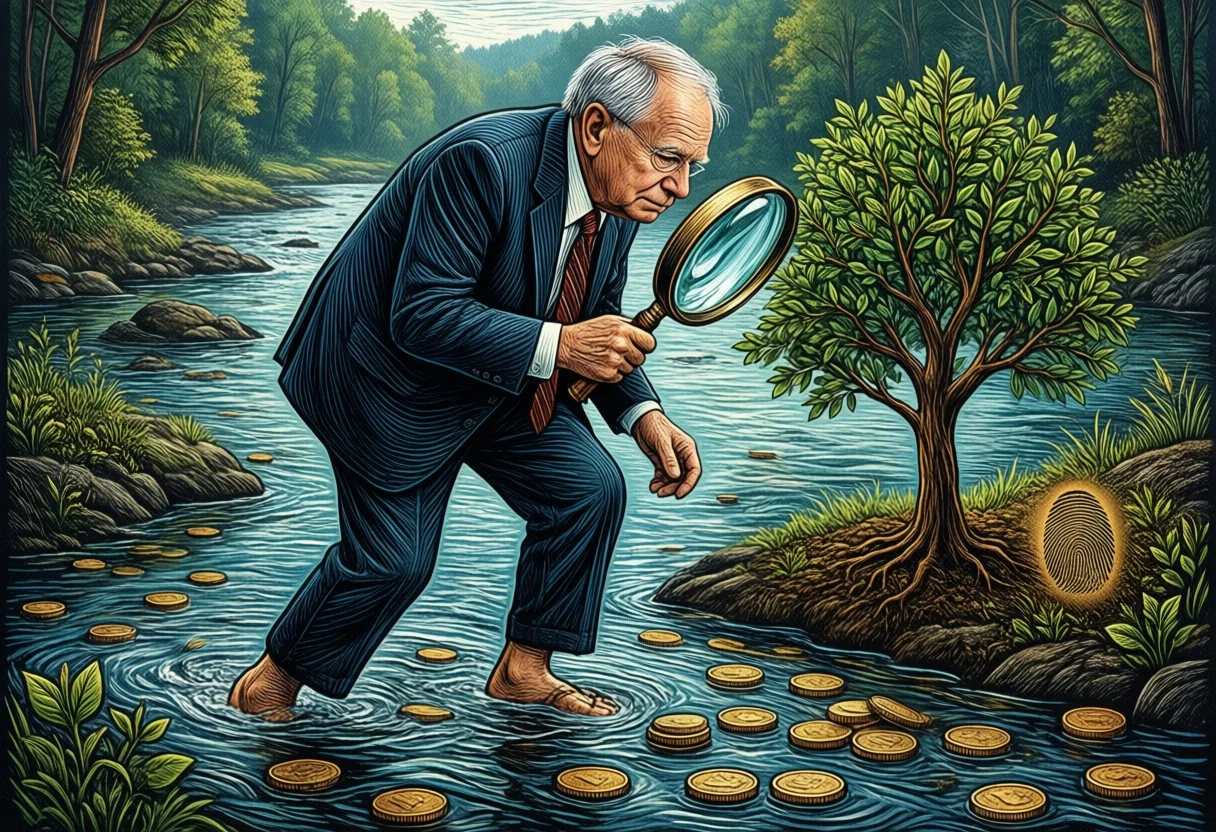
Markets rise and fall with the rhythm of human emotion-fear, greed, and hope. But the most successful investors don’t dance to that beat. They stand apart, guided by discipline, patience, and a clear understanding of how wealth builds over time. Investment strategies Llc aligns with this philosophy, prioritizing long-term portfolio growth over short-lived market moves.
Why Long-Term Growth Outlasts Market Noise
Markets are noisy. Headlines scream about daily swings, political shifts, and economic surprises. Yet history shows that The most Reliable gains Come not from reacting to noise, but from ignoring it. Investors who remain focused on long-term fundamentals avoid the trap of overreacting to temporary volatility.
Short-term price movements are often random. They reflect sentiment more than value. A company’s true worth emerges over years, not hours. Those who measure progress quarterly or even annually miss the larger arc of growth.
Time smooths out chaos. What looks like a crisis in the moment may fade into irrelevance over a decade. Long-term investors accept uncertainty as a constant and build portfolios designed to endure it. This is not passive investing-it’s Strategic patience.
The Hidden Cost of Chasing Quick Wins
Every investor has felt the pull of a hot tip or a sudden rally. But chasing quick wins carries a steep price. Frequent trading increases transaction costs, erodes returns, and often leads to buying high and selling low.
Taxes compound the damage. Short-term capital gains are taxed at higher rates than long-term gains. Selling too soon turns paper profits into real losses after tax and fees. What looks like a win on the surface can be a net drain over time.
Emotional decisions also create opportunity cost. Time spent analyzing the latest trend is time not spent on strategy. The pursuit of fast money distracts from the real work of building lasting wealth. Discipline beats drama every time.

How Compounding Works in Real Portfolios
Compounding is not magic-it’s math. When returns are reinvested, they generate their own returns. Over time, this creates a snowball effect that accelerates growth without additional effort.
Consider a portfolio that grows 7% annually. In the first year, $100,000 becomes $107,000. In the second, the 7% applies to the new total. The third year builds on that. After ten years, the same amount grows to nearly $197,000-without adding a single dollar.
Dividends and interest, when reinvested, contribute to this effect. So do capital gains held over time. The longer the time horizon, the more powerful compounding becomes. This is why starting early and staying invested matters more than picking the perfect stock.
Time in the Market vs. Timing the Market: What Data Shows
No one has consistently predicted market turns. Even professionals fail to time entries and exits accurately. Data shows that missing just a few of the best days in the market can drastically reduce long-term returns.
Staying invested captures the full cycle of gains. Markets often surge when sentiment is worst. Those who pull out during downturns miss the rebound. Being in the market beats trying to guess when to enter or exit.
A simple strategy of regular contributions-like dollar-cost averaging-reduces risk and improves outcomes. It buys more shares when prices are low, fewer when high. Over decades, this smooths volatility and builds value.
Avoiding Emotional Decisions During Downturns
Fear spreads faster than facts. When markets drop, the instinct to sell is strong. But downturns are part of the cycle, not a signal to abandon strategy. The best time to hold firm is often when it feels the worst.
History shows that markets recover. Recessions end. Companies adapt. Investors who panic and sell lock in losses. Those who stay the course are positioned to benefit from recovery.
Having a clear plan reduces emotional strain. Knowing why you own an asset-and for how long-makes it easier to ignore short-term pain. Investment strategies llc emphasizes this: a well-structured portfolio is built to weather storms.

The Role of Diversification in Sustainable Growth
No single asset can be counted on forever. Industries change. Technologies disrupt. Economies shift. Diversification spreads risk across different types of investments, reducing the impact of any one failure.
A balanced portfolio includes a mix of asset classes-stocks, bonds, real estate, and others-each responding differently to conditions. When one lags, another may lead. This smoothing effect supports steadier growth.
Geographic and sector diversification also matter. Global exposure reduces dependence on one economy. A mix of industries avoids overreliance on a single trend. Diversification isn’t about maximizing returns-it’s about Preserving capital while seeking growth.
Rebalancing: When and Why It Matters
Over time, some investments grow faster than others. A portfolio that starts balanced can drift into riskier territory. Rebalancing brings it back in line with original targets.
For example, if stocks rise sharply, they may become a larger share of the portfolio than intended. Selling some and buying underweight assets restores balance. This enforces discipline-selling high, buying low, systematically.
Rebalancing can be done on a schedule-annually or semi-annually-or when allocations deviate beyond a set threshold. Either way, it prevents complacency and keeps strategy aligned with goals.
Tax Efficiency as a Growth Multiplier
Taxes are a silent drag on returns. A 1% annual tax drag can reduce final wealth by 20% or more over thirty years. Smart investors structure portfolios to minimize this drag without sacrificing returns.
Holding assets long-term qualifies gains for lower tax rates. Tax-deferred and tax-free accounts-like IRAs and 401(k)s-allow compounding to work uninterrupted. Keeping taxes low is not about avoidance-it’s about efficiency.
Asset location matters too. Placing high-growth or high-dividend assets in tax-advantaged accounts can boost after-tax returns. Small improvements compound into meaningful differences over decades.

Staying the Course Through Economic Cycles
Economies move in cycles-expansion, peak, contraction, recovery. Each phase feels different, but none lasts forever. Investors who react to each shift often end up chasing the past rather than preparing for the future.
Long-term strategies are built to endure these cycles. They don’t depend on predicting the next recession or boom. They rely on consistency, not clairvoyance.
Adjustments are made gradually, not in panic. Portfolios are reviewed, not overhauled. This steady hand avoids the pitfalls of overreaction and keeps the focus on sustainable growth.
What Truly Drives Decade-Long Returns
Fundamentals matter most. Company earnings, dividend payments, and balance sheet strength determine long-term value. Market sentiment shifts daily, but Profitability compounds over years.
Investors who focus on quality-businesses with durable advantages, strong management, and pricing power-tend to outperform. These companies survive downturns and thrive in recoveries.
Time amplifies the edge. A small annual advantage becomes a wide gap over ten or twenty years. Consistency beats intensity in the long run.
Building a Portfolio That Works While You Wait
Wealth isn’t built overnight. It grows quietly, in the background, while life happens. The goal isn’t to beat the market every year-it’s to Outperform over decades.
Start with clear goals. Define risk tolerance honestly. Choose low-cost, diversified investments. Reinvest returns. Rebalance regularly. Stay tax-aware.
Then, step back. Let time and compounding do their work. Investment strategies llc supports this approach-measured, methodical, and built for the long term. The future belongs to those who wait-and plan-wisely.
Building Wealth That Lasts
The Long Game Pays Off
Sticking with your investments over time isn't just a suggestion-it's a strategy backed by history. Market ups and downs feel less scary when you're playing the long haul, letting compound growth do its thing. Think of it like planting a tree; you don’t dig it up every time the weather changes. Consistent, patient investing allows returns to build on top of returns, turning modest contributions into something much bigger down the road.
Why Patience Isn’t Passive
Waiting doesn’t mean doing nothing. Regular check-ins help keep your portfolio aligned with life changes, but constant tinkering often backfires. Investors who stayed the course through rough patches, like the early 2000s tech dip or the 2008 downturn, generally came out ahead of those jumping in and out. One overlooked fact: missing just the 10 best market days over a decade can slash your gains significantly-proof that time in the market beats timing the market.
Small Habits, Big Results
Automating contributions makes growing wealth easier than you’d think. Even modest, regular deposits into a long-term portfolio can accumulate surprisingly fast thanks to compounding. And here’s a fun twist: reviewing your investments once a year tends to lead to better outcomes than checking them daily or monthly-out of sight, out of mind actually helps some people stick to their plan. Explore more stories, videos, and creators on Loaded.
Frequently Asked Questions
Why is long-term portfolio growth more effective than chasing short-term market moves?
Long-term growth focuses on fundamentals and ignores market noise, allowing compounding to build wealth over time. Short-term trading increases costs, taxes, and the risk of buying high and selling low.
How does compounding help a long-term investment portfolio?
Compounding reinvests returns, which then generate their own returns. Over time, this snowball effect accelerates growth, especially when dividends, interest, and gains are reinvested consistently.
What is the cost of trying to time the market?
Missing just a few of the best market days can drastically reduce long-term returns. Staying invested captures gains, while timing attempts often lead to selling during downturns and missing recoveries.
How does diversification support sustainable portfolio growth?
Diversification spreads risk across asset classes, sectors, and geographies, reducing the impact of any single failure. It smooths volatility and supports steadier long-term growth.
Not financial advice. This article is general information, not financial, investment, tax or legal advice. Talk to a qualified professional before making money decisions.
This article was produced with AI assistance. How Money Maker Magazine uses AI.
Nadia covers personal finance and long-term investment frameworks, helping readers build sustainable wealth through practical planning and behavioral insights. She breaks down complex financial systems into relatable, actionable steps without oversimplifying the stakes involved.