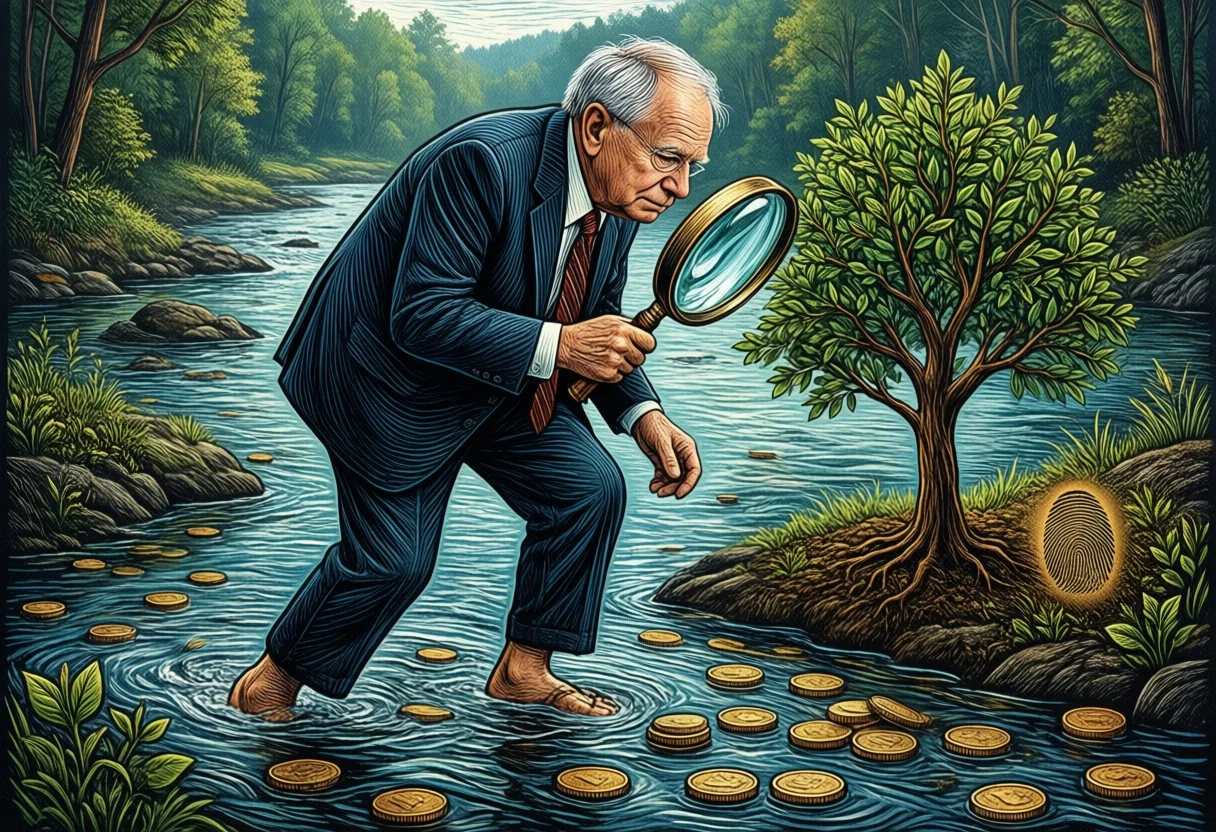
Building lasting Wealth Isn’t about sudden windfalls or speculative bets. It’s about consistency, discipline, and making informed decisions over time. The most successful investors don’t chase trends-they build systems that grow steadily, regardless of market noise.
Think Like an Owner, Not a Trader
Markets fluctuate, but strong businesses endure. When you invest, you’re buying a piece of a company, not just a ticker symbol. Viewing your Holdings As partial ownership shifts your mindset from short-term speculation to long-term value creation.
Warren Buffett’s approach centers on understanding what a business does, how it earns money, and whether it can maintain its advantage over decades. This means skipping the hype around fast-moving stocks and focusing instead on companies with durable models, reliable earnings, and competent leadership.
Ray Dalio’s principles emphasize diversification not just across assets, but across economic environments. By structuring a portfolio to perform well in different conditions-growth, inflation, recession-you reduce vulnerability to any single shock.
- Invest in businesses you can explain simply.
- Prioritize companies with consistent cash flow.
- Avoid complex financial products if you don’t fully understand them.
Ownership means patience. You wouldn’t expect a rental property to double in value overnight, and stocks are no different. Time allows compounding to work, turning modest gains into significant growth.
The best returns often come not from picking winners, but from avoiding costly mistakes. Emotional decisions-selling in a downturn or chasing last year’s top performer-undermine long-term progress.

Build a Foundation That Lasts
A solid investment plan starts long before you place your first trade. It begins with clear goals, a realistic timeline, and an honest assessment of your risk tolerance.
Start by defining your objective: retirement, funding education, or financial independence. Each goal has a different horizon, which shapes how aggressively you should invest. The longer your timeline, the more risk you can typically afford to take.
Diversification is not a suggestion-it’s a necessity. Spreading investments across different asset classes reduces the impact of any single failure. Stocks, bonds, real estate, and Cash equivalents Each play a role depending on your stage of life.
- Allocate assets based on your time frame, not market predictions.
- Rebalance periodically to maintain target mix.
- Keep emergency funds separate from investment accounts.
Costs matter more than most realize. High fees erode returns slowly but surely. Index funds and low-cost ETFs offer broad exposure without dragging down performance.
Automate contributions whenever possible. Regular investing, even in small amounts, builds discipline and takes emotion out of the equation. Consistency beats timing.

Master the Psychology of Long-Term Growth
The biggest obstacle to wealth isn’t market volatility-it’s human behavior. Fear and greed drive decisions that sabotage long-term plans. Recognizing this is the first step toward overcoming it.
When markets drop, the instinct is to sell and “wait for stability.” But history shows that staying the course through downturns leads to better outcomes. The strongest gains often come in the wake of the steepest losses.
Ray Dalio’s “all-weather” strategy isn’t about predicting the future-it’s about being ready for any outcome. This means accepting modest returns in some years to avoid catastrophic losses in others.
- Stick to your plan during market swings.
- Review progress annually, not daily.
- Focus on what you control: savings rate, costs, and discipline.
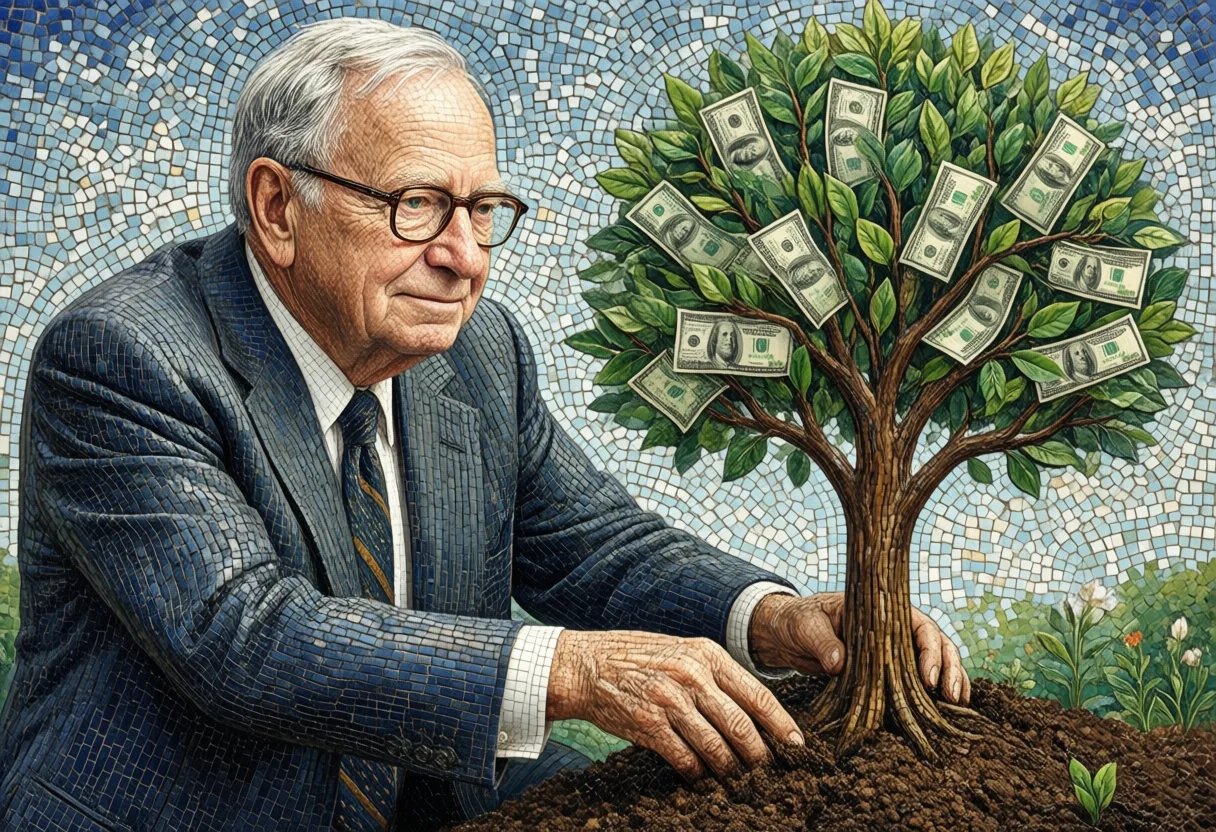
Buffett famously said the best time to plant a tree was 20 years ago-the second-best time is today. Delaying investment by even a few years can cost tens of thousands due to lost compounding.
Patience isn’t passive. It’s the active choice to stay focused on long-term goals while ignoring short-term noise. That discipline separates those who build wealth from those who watch it pass by.

Adjust Without Abandoning Your Plan
Life changes, and so can your investment strategy. Marriage, career shifts, or unexpected expenses may require recalibration. But adjustments should be thoughtful, not reactive.
Reassess your goals every few years. A promotion might allow higher savings. A new child might shift priorities toward stability. These are valid reasons to tweak allocations-but not to abandon core principles.
Tax efficiency becomes more important over time. Holding investments longer can reduce tax liability. Using retirement accounts wisely amplifies compounding by shielding growth from annual taxation.
- Make changes based on life events, not market headlines.
- Prioritize tax-advantaged accounts when available.
- Consult a fee-only advisor if major decisions arise.
The goal isn’t perfection-it’s progress. No portfolio avoids all losses. What matters is staying aligned with your long-term vision.
Investing is not a sprint or a gamble. It’s a marathon run with purpose, structure, and clarity. Those who treat it as such are the ones who finish ahead.
Building Wealth That Sticks
The Power of Time and Patience
Think of long-term investing like planting a tree. The real magic happens quietly over years, not overnight. One of the most powerful forces at play is compound returns-essentially, earning returns on your returns. The earlier you start, the more time that compounding has to work, turning modest, regular contributions into something much bigger down the road. Even small amounts can grow significantly when given enough time.
History Rewards the Steady Hand
Markets go up and down, sometimes dramatically, but over long stretches, they’ve generally trended upward. Investors who stayed the course through downturns, rather than reacting emotionally and selling low, have historically been rewarded. In fact, some of the strongest gains often come shortly after the most fearful periods. That’s why consistency often beats timing-automating investments helps avoid the urge to jump in and out based on headlines.
The Quiet Edge of Simplicity
You don’t need complicated schemes to build wealth over time. Some of the most effective strategies are straightforward: consistently investing in low-cost, diversified index funds has helped countless people grow their savings. These funds aim to mirror broad market performance, spreading risk across hundreds or thousands of companies. Simplicity reduces fees and avoids the gamble of trying to pick winners, letting the market’s long-term growth do the heavy lifting. Explore more stories, videos, and creators on Loaded.
Frequently Asked Questions
What is the key to long-term wealth growth through investing?
The key is consistency, discipline, and making informed decisions over time. Building systems that grow steadily, rather than chasing trends, leads to lasting wealth.
Why is compounding important for long-term investors?
Compounding allows returns to generate their own returns over time. The earlier you start, the more time compounding has to turn modest contributions into significant growth.
How should investors handle market downturns?
Investors should stay the course during downturns instead of selling out of fear. History shows that some of the strongest gains follow the most fearful periods.
What role does simplicity play in successful investing?
Simplicity reduces fees and avoids the risk of trying to pick winners. Consistently investing in low-cost, diversified index funds lets long-term market growth build wealth.
Not financial advice. This article is general information, not financial, investment, tax or legal advice. Talk to a qualified professional before making money decisions.
This article was produced with AI assistance. How Money Maker Magazine uses AI.
Nadia covers personal finance and long-term investment frameworks, helping readers build sustainable wealth through practical planning and behavioral insights. She breaks down complex financial systems into relatable, actionable steps without oversimplifying the stakes involved.