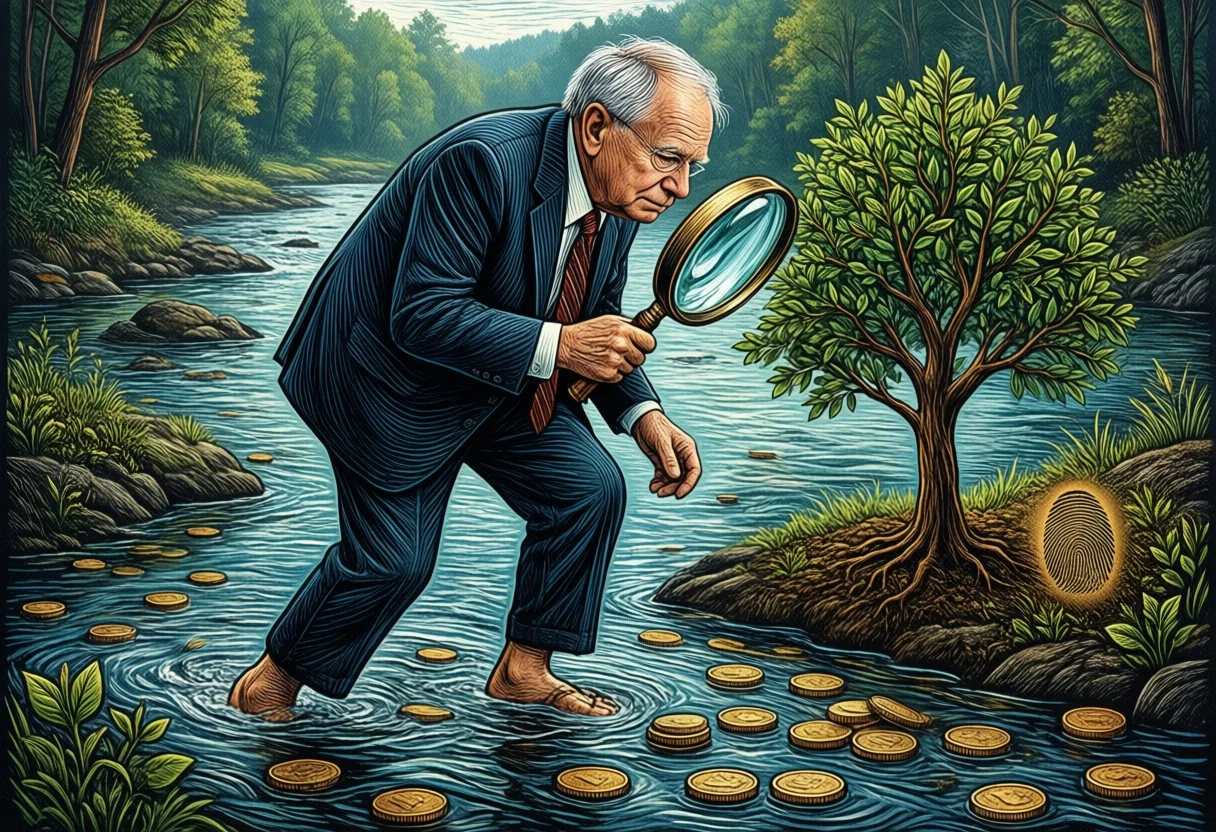
Building lasting Wealth Isn’t about sudden windfalls or risky bets. It’s the result of Consistent decisions, disciplined habits, and a clear long-term plan-principles echoed by some of the most successful investors in history. For professionals seeking structure without complexity, a well-designed investment approach can make all the difference.
Why Long-Term Wealth Requires More Than Just Saving
Saving money is essential, but saving alone rarely outpaces inflation over decades. Without growth, purchasing power erodes, and financial goals become harder to reach. Investing transforms idle cash into working capital, allowing compound growth to Build momentum Over time.
Most people underestimate how small, regular contributions can grow when returns compound across years. A disciplined investor who starts early doesn’t need to take excessive risks to achieve meaningful results. Time in the market often outweighs timing the market.
Market volatility can unsettle even experienced investors. Yet history shows that Those who stay the course through downturns typically recover and grow wealth more effectively Than those who react emotionally. Staying invested through cycles is a quiet but powerful edge.

The Framework of Smart Investment Strategies
Successful investing begins with clarity: defining goals, time horizons, and risk tolerance. Without these anchors, decisions become reactive rather than strategic. A structured approach helps align choices with long-term outcomes, not short-term noise.
Diversification remains a cornerstone of resilient portfolios. Spreading Investments across Different asset classes reduces exposure to any single failure. It doesn’t guarantee profits or eliminate risk, but it improves the odds of steady progress.
- Allocate assets based on goals: retirement, education, or wealth transfer
- Rebalance periodically to maintain target exposure
- Avoid chasing past performance; focus on fundamentals and sustainability
Costs matter more than many realize. High fees, whether in funds or advisory services, can quietly erode returns over time. Low-cost index funds and transparent fee structures often serve long-term investors best.
Discipline isn’t just about staying invested-it’s also about avoiding overtrading. Frequent buying and selling introduces friction, taxes, and emotional decision-making. Simplicity, consistency, and patience are often the most effective tools.

How Structure Supports Financial Success
Individuals often struggle not from lack of knowledge, but from lack of follow-through. Behavioral biases-fear, greed, overconfidence-can derail even the best-laid plans. That’s where a structured process adds value beyond stock picks or market calls.
An Investment Strategies Program National in scope can offer standardized tools, education, and accountability. These programs don’t promise outsized returns, but they Provide frameworks that encourage consistency and reduce impulsive actions. For professionals juggling careers and families, this support can be invaluable.
Such programs typically emphasize:
- Goal-based planning instead of speculation
- Automated contributions and rebalancing
- Regular reviews to adjust for life changes
They work best when aligned with personal values and realistic expectations. No program replaces individual responsibility, but a strong one amplifies good habits and minimizes self-sabotage.
The most effective investors aren’t always the smartest or fastest-they’re the ones who stick to a plan through uncertainty. Structure doesn’t eliminate risk, but it creates a path forward when emotions cloud judgment.
Thinking Like Buffett and Dalio: Simplicity and Resilience
Warren Buffett’s success stems not from complex models, but from patience, value assessment, and emotional control. He buys businesses-not tickers-and holds them for years, letting earnings and dividends compound. His approach favors Understanding what you own and ignoring market noise.
Ray Dalio’s strategies emphasize diversification across uncorrelated assets, a principle behind his “All Weather” approach. By designing portfolios to perform in various economic climates-growth, stagnation, inflation, deflation-investors reduce vulnerability to any single outcome.
Both investors prioritize process over prediction. They accept uncertainty and build systems that endure it. Their methods aren’t about forecasting the future, but preparing for multiple versions of it.
Professionals can adopt this mindset by:
- Focusing on controllable factors: savings rate, costs, diversification
- Accepting that market swings are part of the journey, not a signal to act
- Reviewing progress annually, not daily
You don’t need a hedge fund to think like one. You need clarity, a plan, and the discipline to follow it.

Building Your Path to Financial Independence
Wealth accumulation is a marathon, not a sprint. The most reliable results come from small, repeated actions-automated deposits, regular reviews, and steady reinvestment. Consistency compounds just like returns.
Start by assessing your current financial position: income, expenses, debts, and existing investments. Then define what success looks like-financial independence, early retirement, generational wealth-and work backward to set milestones.
Next, choose a strategy that fits your life. Some prefer hands-on management; others benefit from guided programs or advisory support. The right choice depends on time, interest, and confidence.
Remember: the goal isn’t perfection. It’s progress. Markets will fall. Mistakes will happen. What matters is returning to the plan, adjusting when needed, and never losing sight of the long term.
Over time, disciplined investing doesn’t just grow wealth-it builds confidence, security, and freedom. And that’s a return no spreadsheet can fully capture.
Building Wealth That Lasts
More Than Just Numbers
Investing isn’t about chasing quick wins; it’s about planting seeds today that grow into something substantial years down the line. One of the most powerful forces at play? Compound interest. It means your investment returns start earning their own returns over time. Think of it like a snowball rolling downhill, gathering more snow-and value-the longer it rolls. Starting early, even with smaller amounts, can make a dramatic difference in the final outcome because time magnifies the effect.
The Long Game Mentality
Many successful investment strategies focus less on timing the market and more on time In The market. Historically, markets have trended upward over extended periods, despite short-term dips. This means consistency often trumps perfection. Setting up automatic contributions, for instance, helps build discipline and takes emotion out of the equation. It’s not about predicting every twist and turn, but about staying the course and letting your portfolio grow steadily through different economic seasons.
Small Habits, Big Results
Surprisingly, modest, regular investments can accumulate into significant wealth. This approach relies on patience and routine, turning seemingly minor actions into major outcomes. The key isn’t having a large sum to start, but rather maintaining a reliable pattern of contribution and reinvestment. Over decades, these incremental additions, combined with compounding, can result in a nest egg far larger than the sum of its parts-proving that disciplined, long-term thinking often wins the race. Explore more stories, videos, and creators on Loaded.
Frequently Asked Questions
Why is saving alone not enough for long-term wealth?
Saving alone rarely outpaces inflation over decades. Without investment growth, purchasing power erodes and financial goals become harder to reach.
How does compound interest help build wealth over time?
Compound interest allows investment returns to earn their own returns over time. Starting early, even with small amounts, can significantly increase final outcomes.
What role does diversification play in a successful investment strategy?
Diversification spreads investments across different asset classes, reducing exposure to any single failure and improving the odds of steady progress over time.
Why is staying invested through market downturns important?
History shows those who stay invested through downturns typically recover and grow wealth more effectively than those who react emotionally and exit the market.
Not financial advice. This article is general information, not financial, investment, tax or legal advice. Talk to a qualified professional before making money decisions.
This article was produced with AI assistance. How Money Maker Magazine uses AI.
Nadia covers personal finance and long-term investment frameworks, helping readers build sustainable wealth through practical planning and behavioral insights. She breaks down complex financial systems into relatable, actionable steps without oversimplifying the stakes involved.