The London Stock Exchange hums at 8 a.m., a quiet pulse beneath the city’s morning rush. Traders sip espresso, analysts Flip through Reports, but the real movement-the kind that builds generational wealth-happens far from the noise, in decisions made today for outcomes decades away. This is where patience becomes power, and strategy outshines speed.
The Quiet Power of Compounding
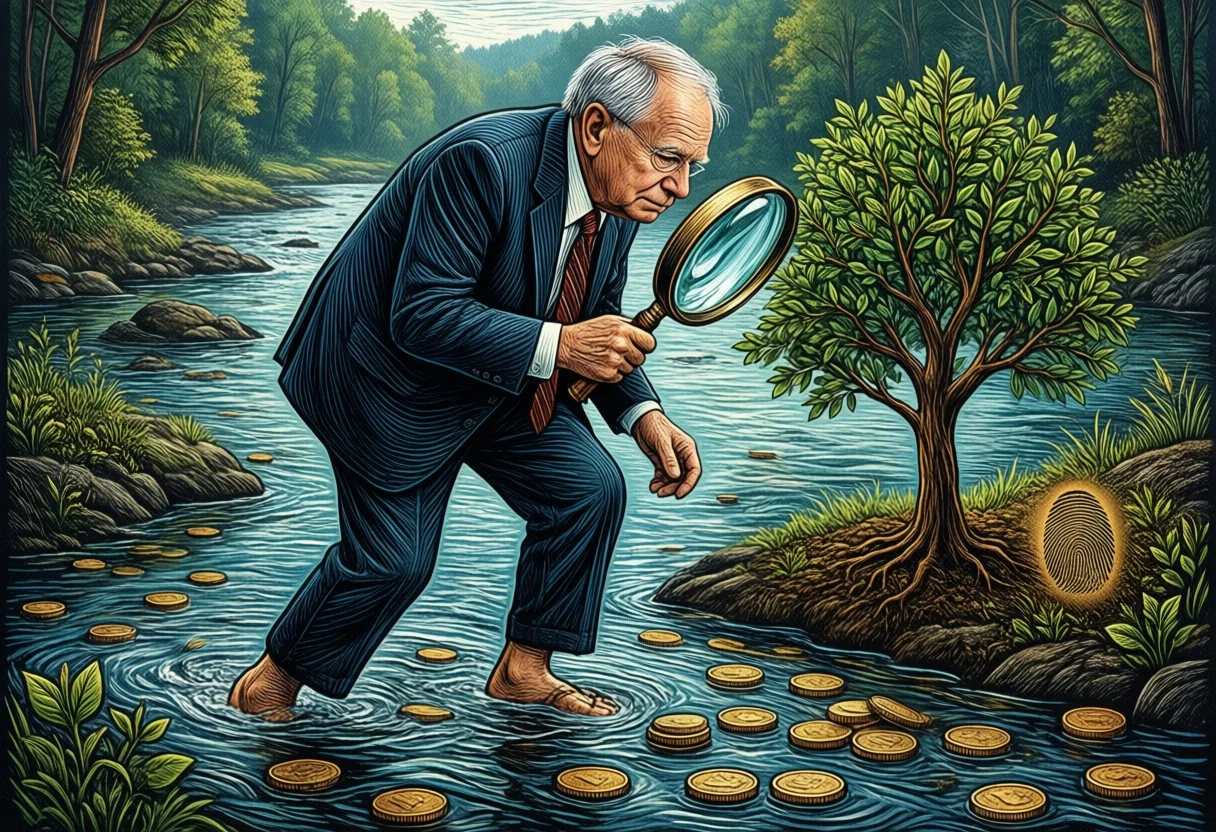
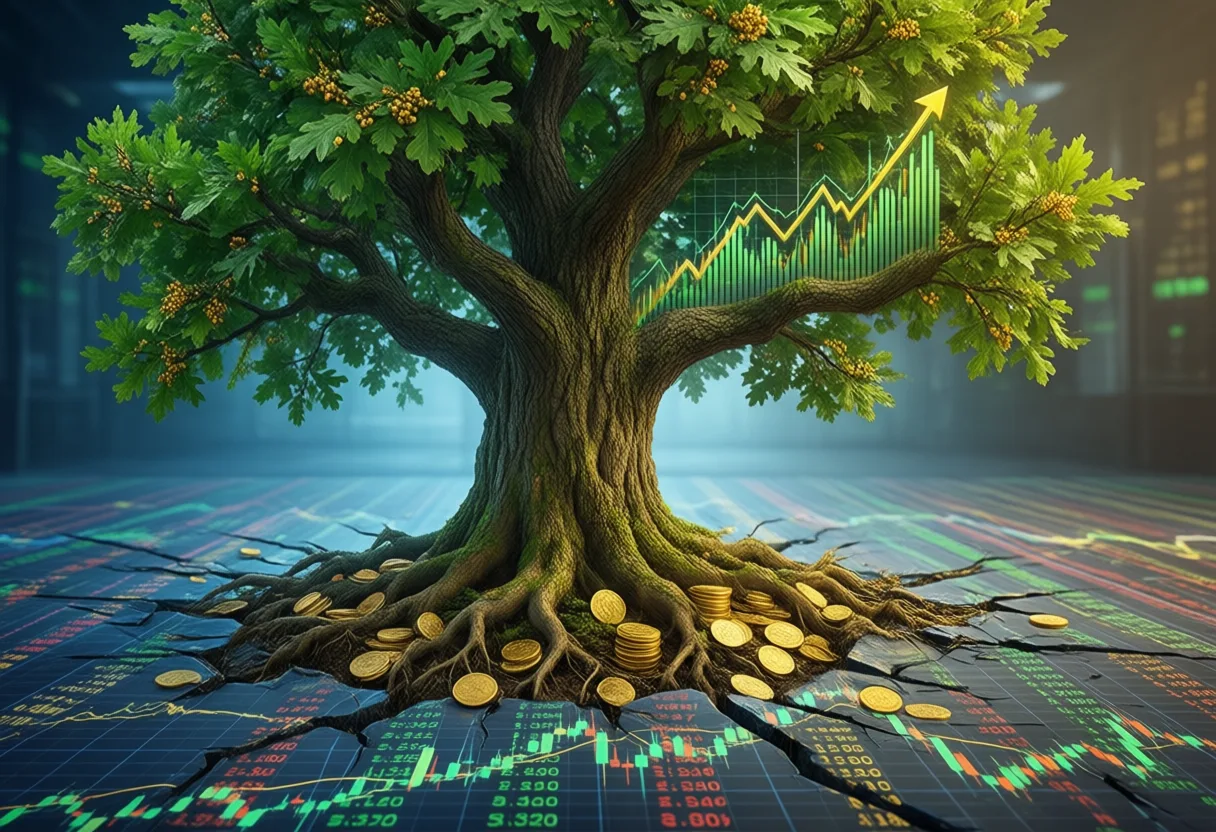
Imagine planting an oak tree. You don’t dig it up each spring to check the roots. You water it, protect it from storms, and trust the slow, invisible work beneath the soil. That’s compounding-growth feeding on itself, year after year.
In financial terms, compounding means reinvesting returns to generate more returns. A modest sum, left untouched in a diversified portfolio, can swell into something substantial over 20 or 30 years. The math isn’t flashy, but it’s relentless.
Time is the most valuable asset most investors underestimate. Starting early-even by just five years-can double or triple final outcomes, not because of market timing, but because of Consistent growth over decades. Those who chase quick wins often miss the quiet miracle happening in the background.

Building Portfolios That Last
Markets will wobble. Inflation will rise. Politicians will debate. The wise investor doesn’t flinch. They build portfolios designed to endure, not dazzle.
Diversification remains a cornerstone. Spreading investments across asset classes-equities, bonds, real estate, and alternative holdings-reduces risk without sacrificing long-term potential. No single sector dominates forever, but a balanced mix can weather shifts.
Regular contributions matter more than perfect timing. Setting up automatic investments, regardless of market highs or lows, instills discipline. This approach-called pound-cost averaging-smooths out volatility over time.
Consider these principles: - Focus on companies with strong balance sheets and sustainable business models. - Prioritize Cash flow And earnings resilience over speculative hype. - Rebalance periodically to maintain alignment with long-term goals.

Navigating Risk Without Panic
Fear sells headlines. “Market crashes!” “Pound plunges!” But seasoned investors know volatility is not a flaw-it’s a feature. Every dip creates opportunity for those with dry powder and steady nerves.
Risk isn’t the enemy. Misunderstanding risk is. The real danger lies in emotional decisions-selling low after a correction, or piling into trends without research. Discipline turns turbulence into advantage.
One effective tactic is to define your risk tolerance Before Markets test it. Ask: How much loss can I accept without abandoning my plan? The answer shapes everything-from asset allocation to communication with advisors.
Remember: - Short-term noise rarely reflects long-term value. - Corrections are normal, even healthy. - The best returns often come after the most painful moments.
The Role of Patience in Wealth Creation
We live in a culture obsessed with speed. Instant trades. Same-day deliveries. But real wealth isn’t built in months-it’s built in decades. The most successful investors arent those with the fastest algorithms, but those with the longest timelines.
Think of Warren Buffett reading annual reports while others chase headlines. Or Ray Dalio designing systems that thrive in chaos. Their edge isn’t prediction-it’s Preparation and persistence.
This isn’t about waiting passively. It’s about active stewardship-reviewing holdings, adjusting for life changes, staying informed-while refusing to react to every gust of wind.
Patience isn’t passive. It’s strategic. It means saying no to distractions so you can say yes to time.

Final Thoughts: Staying the Course
No one can control the market. But everyone can control their behavior. The path to lasting growth isn’t hidden in secret formulas-it’s in plain sight, built on consistency, clarity, and courage.
When headlines scream and friends whisper about the “next big thing,” remember the oak tree. Roots run deep before branches reach the sky.
Stay focused. Stay calm. And let time do the heavy lifting.
Building Wealth Over Time: The Long Game in Focus
Why Patience Pays Off
Sticking with investments for the long haul isn't just a suggestion-it's a strategy backed by history. Markets move up and down, sometimes sharply, but over decades, they've generally trended upward. That means someone investing regularly over 20 or 30 years is more likely to ride out the dips and benefit from growth than someone trying to time short-term swings. It’s like planting a tree: the real shade comes years later, not the day after you dig the hole.
Small Habits, Big Results
Consistency often matters more than the size of each contribution. Putting aside a modest amount each month, say £50 or £100, and reinvesting any returns can grow significantly thanks to compound growth. Think of it as earning returns on your returns over time. Starting early gives this effect more room to work-someone beginning at 25 might end up with far more than someone starting at 35, even if the later investor puts in larger amounts later on. It’s not about finding a magic stock; it’s about regular effort and time.
What Long-Term Really Means
Long-term growth isn’t about chasing quick wins or reacting to every headline. It means choosing assets-like stocks, funds, or property-that have the potential to increase in value over many years, even if they feel slow at times. Historically, equities have outperformed cash and bonds over extended periods, though they come with more ups and downs. The key is staying the course, adjusting your mix as you age, and focusing on your goals, not the noise. Explore more stories, videos, and creators on Loaded.
Frequently Asked Questions
Why is long-term investing important for building wealth?
Long-term investing allows compounding to work over decades, turning modest sums into substantial wealth. Staying invested through market ups and downs increases the likelihood of benefiting from overall growth.
How does compounding help long-term investors?
Compounding reinvests returns to generate more returns over time. The longer the period, the greater the growth, especially when returns are consistently reinvested.
What is pound-cost averaging and why does it matter?
Pound-cost averaging involves making regular investments regardless of market conditions. It reduces the impact of volatility and promotes disciplined, consistent investing over time.
How can investors manage risk in a long-term portfolio?
Investors manage risk through diversification across asset classes and by maintaining a balanced mix. Staying calm during market dips and avoiding emotional decisions also helps preserve long-term value.
Not financial advice. This article is general information, not financial, investment, tax or legal advice. Talk to a qualified professional before making money decisions.
This article was produced with AI assistance. How Money Maker Magazine uses AI.
Diego explores the intersection of culture and commerce, reporting on how trends in travel, fashion, and dining shape consumer behavior and investment opportunities. His work reveals the economic engines behind everyday indulgences.