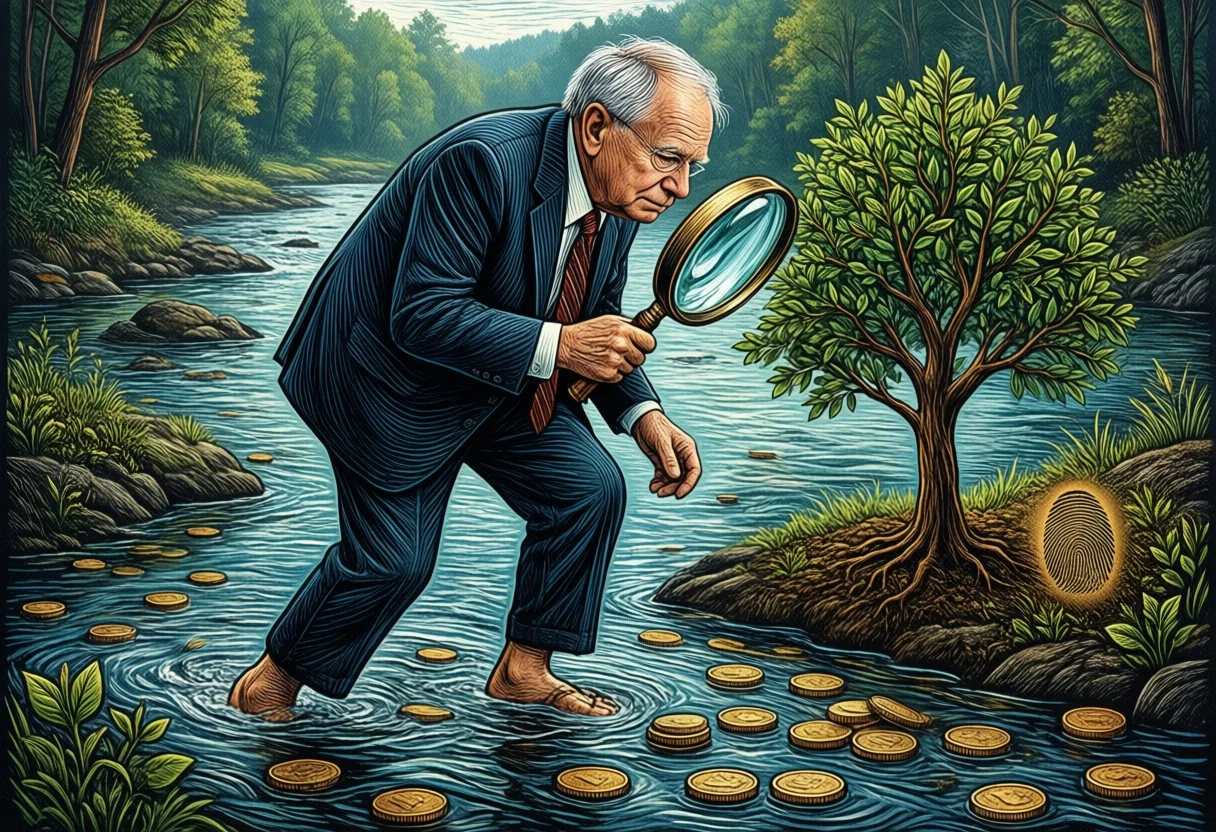
Markets rise and fall, but wealth built to last follows a different rhythm-one of patience, discipline, and structure. Behind every lasting fortune is not a lucky break, but a repeatable process refined over decades.
That process, long practiced by the world’s most successful investors, is now being shared with a new generation. It hinges not on chasing Trends, but on constructing a resilient financial foundation capable of weathering uncertainty and capturing growth over time.
The Core Principles of Sustainable Wealth Building
Long-term growth doesn’t depend on predicting the next market surge. It depends on Controlling what you can-your behavior, your costs, and your time horizon.
Emotion drives most investment mistakes. Investors who react to headlines often buy high and sell low, the exact opposite of a winning strategy. The most effective approach is to remove emotion through structure-automating contributions, rebalancing regularly, and sticking to a clear plan regardless of market noise.
A disciplined framework starts with three pillars: diversification, cost efficiency, and compounding.
- Diversification spreads risk across different asset classes so no single event can derail your progress.
- Cost efficiency means minimizing fees and taxes, which silently erode returns over time.
- Compounding rewards consistency-the earlier you start and the longer you stay invested, the more your returns generate their own returns.
This isn’t about picking winners. It’s about staying in the game long enough for math to work in your favor.

Building Your Financial Engine: A Step-by-Step Approach
Wealth accumulation works like a machine: feed it consistently, maintain it wisely, and let it run. The best investors don’t try to overhaul their strategy every year-they optimize the inputs and trust the output.
Step 1: Define your investment objective.
Are you saving for retirement in 30 years? A home in 10? Each goal has a different timeline and risk profile. Short-term goals need stability; long-term goals can afford more growth-oriented assets.
Step 2: Allocate assets based on time and tolerance.
Younger investors can lean into equities, which offer higher long-term returns despite short-term swings. As you near your goal, shift toward stability with bonds or cash equivalents. This balance isn’t static-it should evolve as your life does.
Step 3: Automate and monitor.
Set up automatic contributions to investment accounts. This ensures consistency, removes emotional decisions, and takes advantage of dollar-cost averaging-buying more shares when prices are low, fewer when they’re high. Review your portfolio once a year to rebalance, not to react.
This method doesn’t promise overnight riches. But it does promise progress-measurable, predictable, and within your control.

Avoiding the Traps That Derail Long-Term Success
Even with a solid plan, most investors stumble at the same few points. Recognizing these pitfalls isn’t about fear-it’s about preparation.
The first trap is Chasing performance. When a stock or sector soars, headlines scream. But buying in after a surge often means paying too much. History shows that last year’s top performer rarely stays on top. Patience beats pursuit.
The second is Overcomplicating the portfolio. More funds, more trades, more strategies do not equal better results. In fact, they increase costs and confusion. Simplicity-low-cost index funds, clear allocations-wins over complexity.
The third is Ignoring inflation. A portfolio that only holds cash may feel safe, but it loses value over time. Real growth means outpacing inflation, which requires exposure to assets with earning potential, like stocks or real estate.
Avoiding these traps isn’t about being smarter-it’s about being steadier. The market rewards those who stay the course.
Why Time Is Your Greatest Advantage
No tool in investing is more powerful than time. It smooths volatility, amplifies compounding, and turns modest contributions into significant wealth.
Consider two investors: one starts at 25, the other at 35. Both invest the same amount annually with the same return. The early starter ends with substantially more-not because they invested more money, but because their money worked longer.
Compounding doesn’t require genius. It requires Starting early and staying consistent. Even small amounts grow dramatically when given decades to work.
This is why the most important decision isn’t which stock to buy. It’s When to begin. Every year delayed is a missed opportunity for growth that can never be recovered.

Final Thoughts: Master the Process, Not the Outcome
Lasting financial success isn’t about luck, timing, or secret knowledge. It’s about mastering a repeatable process that aligns with how markets and human behavior actually work.
Focus on what you can control: your savings rate, your discipline, your costs, and your time horizon. Let the market provide the returns-your job is to stay in it.
The best investment you can make is in a strategy that endures. Build it wisely, maintain it faithfully, and let time do the rest.
Building a Blueprint for Lasting Growth
Ever wonder what separates a solid investment plan from one that stands the test of time? It often comes down to the framework behind it. Think of an Investment Strategy Lead like an architect for your financial future. They don't just pick stocks; they design the entire structure, focusing on long-term goals rather than short-term noise. Their job is to build a resilient portfolio, much like constructing a house meant to weather different seasons.
Looking Beyond the Hype
While flashy trends come and go, a proven framework emphasizes consistency. For instance, the concept of dollar-cost averaging-investing a fixed amount regularly-wasn't invented yesterday. It’s a time-tested method that helps smooth out market ups and downs over years, not days. This approach sidesteps the pressure of trying to time the market perfectly, a trap even seasoned investors can fall into.
The Power of Patience
History shows that patience pays. Consider how the stock market has delivered strong average annual returns over decades, despite periodic dips. An Investment Strategy Lead leverages this, designing plans that prioritize steady growth and compounding. It’s not about chasing the next big thing; it’s about staying the course with a clear, disciplined approach. That consistency is what turns small, regular contributions into significant long-term wealth. Explore more stories, videos, and creators on Loaded.
Frequently Asked Questions
What are the three pillars of sustainable wealth building?
The three pillars are diversification, cost efficiency, and compounding. Diversification spreads risk across asset classes. Cost efficiency minimizes fees and taxes. Compounding rewards consistency over time.
How does dollar-cost averaging help investors?
Dollar-cost averaging involves investing a fixed amount regularly. It helps buy more shares when prices are low and fewer when high, smoothing out market volatility over time.
Why is time important in investing?
Time allows compounding to work, smooths out volatility, and turns modest contributions into significant wealth. Starting earlier means money works longer, leading to greater growth.
What are common traps that derail long-term investment success?
Common traps include chasing performance, overcomplicating the portfolio, and ignoring inflation. These can increase costs, cause poor timing, and erode real returns over time.
Not financial advice. This article is general information, not financial, investment, tax or legal advice. Talk to a qualified professional before making money decisions.
This article was produced with AI assistance. How Money Maker Magazine uses AI.
Nadia covers personal finance and long-term investment frameworks, helping readers build sustainable wealth through practical planning and behavioral insights. She breaks down complex financial systems into relatable, actionable steps without oversimplifying the stakes involved.