The stock market isn’t a casino-if you know how to play the long game. Most people chase quick wins, but Real wealth Grows quietly, like moss on stone, shaped by time, discipline, and steady learning.
I’ve watched fortunes rise and fall from coffee shops in Buenos Aires to boardrooms in Singapore. The difference between those who build generational wealth and those who stay stuck? It’s not luck. It’s Consistency, patience, and a willingness to learn-not just about money, but about themselves.
This isn’t about getting rich overnight. It’s about staying rich over decades. And it starts with understanding what investing really is: a lifelong practice, not a one-time bet.
What It Really Takes to Build Lasting Wealth Through Investing
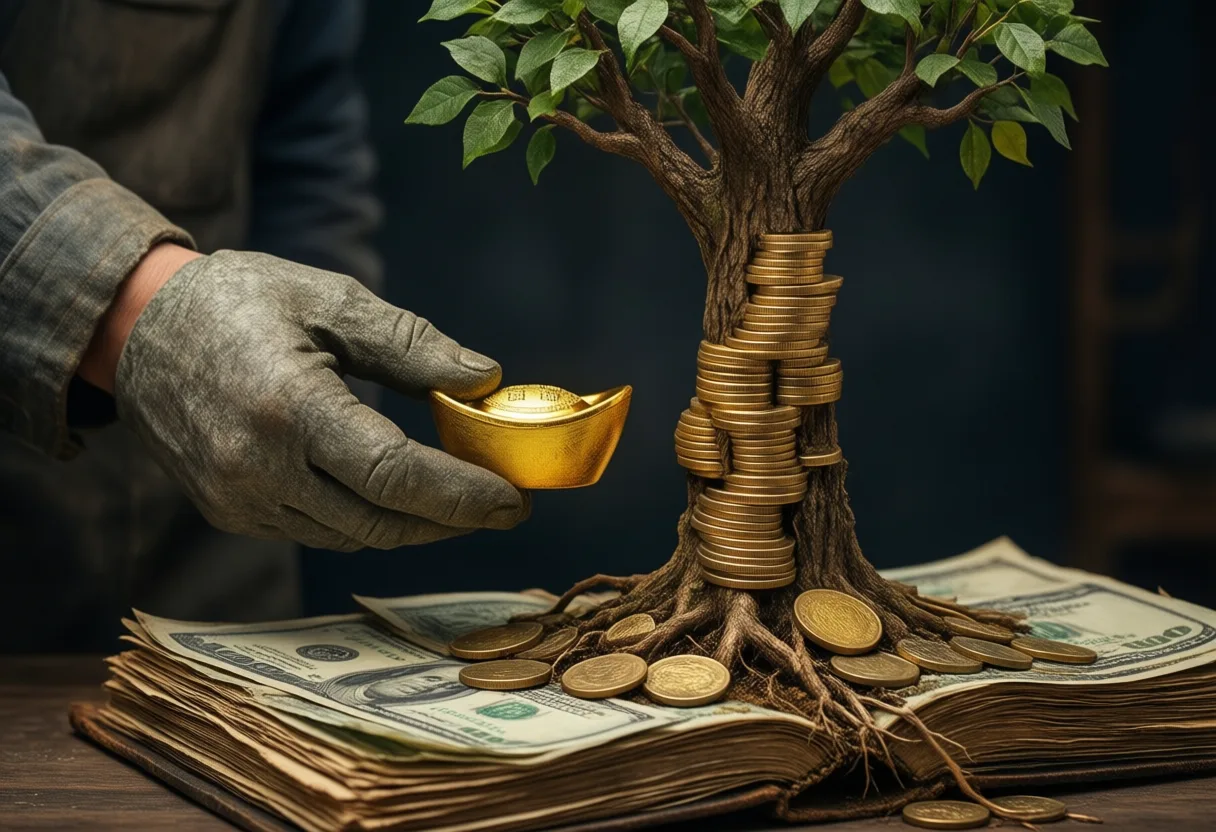
Wealth isn’t built in a sprint. It’s grown through repeated decisions that compound-like planting trees whose shade you may never sit under.
Most people expect dramatic returns fast, but Lasting wealth comes from ordinary choices made consistently over years.
You don’t need genius-level insight. You need clarity, courage, and the humility to admit what you don’t know.
Think of investing as tending a garden. You can’t force the seeds to grow faster by yelling at them. You water them, protect them from weeds, and wait for seasons to turn.
Markets move in cycles, moods shift, headlines scream-but your job is to stay focused on the soil beneath your feet.
Successful investors aren’t reacting to every storm. They’re building systems that survive storms.
They also understand risk-not just market risk, but lifestyle risk. That dream vacation now might cost you ten years of growth later.
Every dollar spent today has an opportunity cost measured in future freedom.
That’s why Wealth builders think in trade-offs, not transactions.
Why Most People Fail at Long-Term Investment Growth
People fail because they treat investing like entertainment instead of engineering.
They watch financial TV, follow hot tips, and jump into trends without a plan-then panic when prices dip.
But markets reward patience, not performance.
Emotional decision-making is the silent killer of portfolios. Fear pulls people out at the bottom. Greed pushes them in at the top.
By the time the news says “everything’s safe,” the smart money has already moved on.
Average investors earn far less than market returns simply because they buy high and sell low.
Another reason? Lack of education. Not formal degrees-but real, practical Investment Strategy Learning over time.
Many wait until they have money to start learning, but by then, mistakes are costly.
The best time to learn was five years ago. The second-best time is today.
Finally, people underestimate how much lifestyle inflation erodes progress. A raise doesn’t mean you should upgrade your car or apartment immediately.
Each new expense becomes a chain that must be paid for with future work.
Freedom means having choices. Debt and spending habits take those away.

The Foundation of Smart Investment Learning
Start with the basics: know the difference between stocks, bonds, and Cash equivalents. Understand what drives business value-earnings, customers, competitive advantage.
You don’t need to predict the next Amazon. You need to grasp why companies exist and how they make money.
Investing is ownership, not gambling.
Build a mental framework before touching real money. Paper trading, reading annual reports, or studying historical market moves all help.
Ask: What would I do if this stock dropped 30% tomorrow? If you can’t answer calmly, you’re not ready.
Knowledge reduces fear. Fear causes errors.
Create simple rules and stick to them. For example:
- Never invest in something you can’t explain in one minute.
- Always diversify across asset types.
- Rebalance once a year, no matter what.
These guardrails keep emotion out of decisions. Over decades, they become automatic-like brushing your teeth.
And just like hygiene, skipping them feels fine today but hurts badly later.
How Time Becomes Your Greatest Ally in Wealth Building
Time doesn’t just help-it transforms. A dollar invested wisely at age 25 could be worth ten times more by retirement, even without heroic returns.
The math is boring but unbreakable: small amounts + long duration = massive outcomes.
That’s why starting early beats picking perfect stocks.
Imagine two people: Alex starts investing $300 a month at 25. Taylor waits until 35 but invests twice as much.
By 65, Alex ends up with more-despite putting in less total money. Why? Ten extra years of compounding.
That’s the price of delay: not just missed contributions, but lost growth on growth.
Time also smooths out volatility. Markets go down. They always come back-eventually.
If you have 30 years ahead, a crash is a sale event, not a disaster.
But if you’re retiring next year, it’s dangerous. Horizon matters.
So the most powerful tool you own isn’t your broker, your app, or your analyst. It’s your youth.
Don’t waste it waiting for “the right moment.” The right moment is now-even if you start small.
Common Myths That Derail Investment Success
One myth: “You need a lot of money to start.” False. Many investments begin with $50 or less.
What matters is consistency, not size. A tiny stream becomes a river when it flows long enough.
Delaying because you don’t have “enough” is like refusing to learn Spanish because you only know three words.
Another myth: “Stocks are too risky.” But holding cash is also risky-because inflation eats its value slowly, silently.
Over 20 years, $100,000 in cash could lose a third of its buying power.
Avoiding stocks to feel safe often leads to poverty in disguise.
Then there’s the expert illusion: “If I just follow the gurus, I’ll win.” But gurus profit from attention, not results.
Their job is to keep you watching, not wealthy. Real investing is quiet. It doesn’t trend on social media.
Trust processes, not personalities.
Finally, the myth of control: “I can time the market.” No one can. Not billionaires, not economists, not AI.
Even professionals fail at timing. The smarter path? Stay invested and let time do the work.

Avoiding Emotional Traps in the Markets
Markets are mirrors. They reflect our hopes, fears, and biases. When prices soar, we feel brilliant. When they crash, we feel doomed.
But emotions lie. The worst moments often lead to the best opportunities-if you can act calmly.
Fear stops action. Greed creates recklessness. Both destroy wealth.
Create rituals to pause before acting. Wait 72 hours before making any big change. Write down your reasons. Read them again later.
You’ll catch impulses disguised as insights. “This stock will double!” Often hides FOMO, not analysis.
Distance reveals truth.
Surround yourself with calm voices. Avoid financial media that shouts, scares, or promises miracles.
Follow thinkers who speak slowly, use data, and admit uncertainty. Silence is underrated.
Sometimes the best move is doing nothing.
Also, automate. Set up automatic deposits and reinvestments. Let the system run while life happens.
When you remove daily decisions, you remove emotional leaks.
Peace of mind isn’t free. But it pays enormous dividends.
The Power of Compounding When You Stay Consistent
Compounding is growth on growth. Like a snowball rolling downhill, it starts small but gains speed and size.
It doesn’t care about IQ or income. It rewards only one thing: staying in the game.
Miss a few years, and you lose momentum. Stick with it, and you gain quietly, steadily.
Say you earn 7% a year. That means your money doubles roughly every ten years.
$10,000 becomes $20,000. Then $40,000. Then $80,000-without adding another dime.
The final decades deliver the biggest jumps, which is why quitting early wastes potential.
But compounding works against you too. High fees, taxes, or debt eat returns silently.
A 1% fee doesn’t sound like much-until you realize it steals 20% of your final wealth over 30 years.
Small drains add up.
So protect your compounding engine: choose low-cost funds, hold assets long-term, avoid unnecessary trades.
Let your money work uninterrupted. Nature compounds leaves, rivers, and mountains.
Why not your portfolio?
Why Diversification Isn’t Optional
Putting all your money in one stock, sector, or country is like boarding a plane with no parachute.
It might land safely. Or one problem-a scandal, recession, innovation-wipes you out.
Diversification spreads risk so no single event destroys everything.
Think of it as farming. You wouldn’t plant only corn. Drought, pests, or falling prices could ruin you.
Smart farmers grow multiple crops. If one fails, others survive.
Same with investing: mix stocks, bonds, real estate, and global exposure.
It won’t make you the highest return in good years. But it keeps you alive in bad ones.
Survival is the first rule of compounding. No recovery if you’re wiped out.
Diversification isn’t about winning big-it’s about not losing everything.
And it’s not complicated. Index funds give instant diversification across hundreds of companies.
Add a bond fund, maybe some international exposure, and you’re stronger than most pros.
Simplicity, paired with discipline, beats complexity every time.

Learning from Market Cycles Instead of Fighting Them
Markets breathe. They expand and contract. Periods of growth give way to pullbacks.
Fighting this rhythm is exhausting-and expensive. Accepting it brings peace.
Bull markets breed confidence. Bear markets teach lessons. Both are necessary.
When prices fall, remember: businesses still operate. Profits still flow. The world hasn’t ended.
Panic sells great companies at fire-sale prices. Patience buys them.
Every crisis in history has eventually passed. So will this one.
Study past cycles not to predict, but to prepare. Know that fear peaks at bottoms. Optimism peaks at tops.
Be fearful when others are greedy. Be greedy when others are fearful.
It’s cliché because it’s true.
Keep a journal. Note your feelings during crashes and rallies. Compare them later.
You’ll see patterns-your own emotional cycle. Awareness is the first step to mastery.
The market doesn’t change. You do.
Small Habits That Lead to Big Financial Gains
Wealth starts in the mundane: automating savings, reviewing statements monthly, avoiding lifestyle creep.
No single habit makes you rich. Together, they create a machine that runs on autopilot.
Success is the sum of small efforts repeated.
Pay yourself first. Before rent, groceries, or streaming subscriptions-send money to your future.
Even $50 a month builds discipline and momentum. Increase it with every raise.
Let growth fund your investing, not your spending.
Review your portfolio once a quarter. Not to trade, but to check alignment.
Are your goals the same? Has risk changed? Any fees crept up?
Like a car tune-up, maintenance prevents breakdowns.
Also, track net worth yearly. It’s a snapshot of progress-assets minus debts.
Seeing it climb motivates. Seeing it stall prompts change.
Numbers don’t lie. They tell stories about choices.
Where to Go After Mastering the Basics
Once you’ve built a solid foundation, explore thoughtfully. Real estate, private credit, or small business ownership can add layers.
But don’t leap without research. Each new area has risks and learning curves.
Move slow. Test small. Scale only after understanding.
Consider working with a fee-only financial advisor-one who doesn’t earn commissions.
They can help with tax strategy, estate planning, and behavioral coaching.
Not everyone needs one, but many benefit from neutral guidance.
Keep learning. Read books, study financial statements, listen to earnings calls.
Attend shareholder meetings if possible. See how leaders think.
Knowledge compounds like money.
And finally, teach someone else. Share what you’ve learned with a younger relative, friend, or coworker.
Explaining ideas deepens your own grasp. Plus, lifting others is part of lasting wealth.
Money isn’t just numbers. It’s legacy.
Smart Moves That Built Real Wealth
The Power of Starting Early
Imagine two friends: one starts investing $200 a month at age 25, the other waits until 35 to do the same. Even if both earn identical returns, the early starter could end up with hundreds of thousands more by retirement-thanks to compound growth. Time in the market often beats timing the market, and those extra years let earnings generate their own earnings. That’s not magic, just math working quietly in the background.
Surprising Habits of Self-Made Investors
Many long-term investors who built wealth didn’t rely on hot tips or risky bets. Instead, they stuck to simple routines-like automating contributions, reinvesting dividends, and reviewing portfolios just once a year. Consistency, not complexity, was their edge. Some even treated investing like a monthly bill, paying themselves first before spending on anything else.
Lessons from Market Ups and Downs
History shows that markets rise over time, but not without bumps. The S&P 500 has delivered average annual returns around 10% over decades, but that includes steep drops like the 2008 crash or the 2020 pandemic plunge. Investors who stayed the course, rather than selling in panic, recovered and grew wealth. Learning to tune out short-term noise is part of the strategy-and often the hardest part.
Frequently Asked Questions
Why is starting early important for long-term wealth growth?
Starting early allows more time for compounding to work. Even with smaller monthly investments, the extra years can result in significantly more wealth by retirement compared to starting later.
What are common emotional traps in investing?
Fear causes selling at market lows, while greed leads to buying at highs. Both emotional reactions harm long-term returns. Creating rules and waiting before acting can help avoid these traps.
Does diversification guarantee higher returns?
No, diversification does not guarantee the highest returns in good years. Its purpose is to reduce risk so that no single event can destroy your entire portfolio.
Is it necessary to have a lot of money to start investing?
No, it is not necessary to have a large amount to start. Consistency matters more than size, and many investments can begin with as little as $50.
Not financial advice. This article is general information, not financial, investment, tax or legal advice. Talk to a qualified professional before making money decisions.
This article was produced with AI assistance. How Money Maker Magazine uses AI.
Diego explores the intersection of culture and commerce, reporting on how trends in travel, fashion, and dining shape consumer behavior and investment opportunities. His work reveals the economic engines behind everyday indulgences.