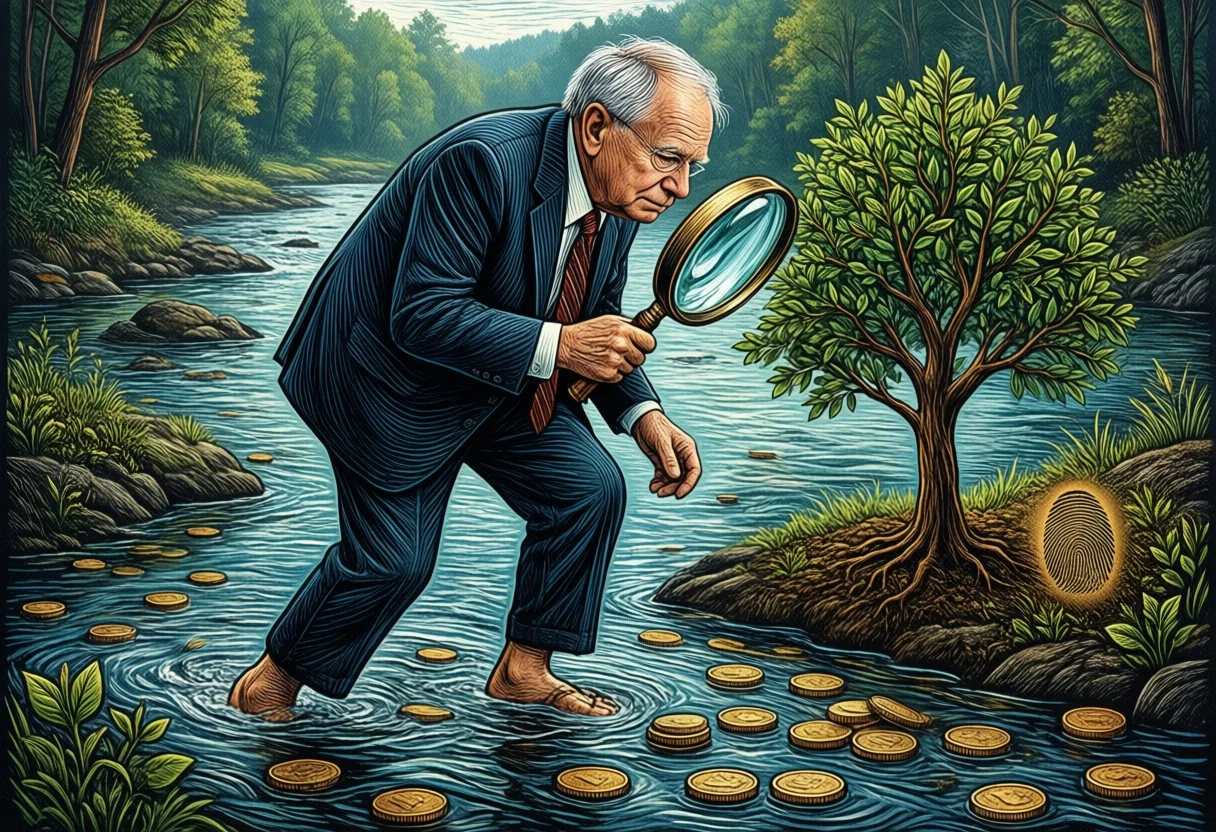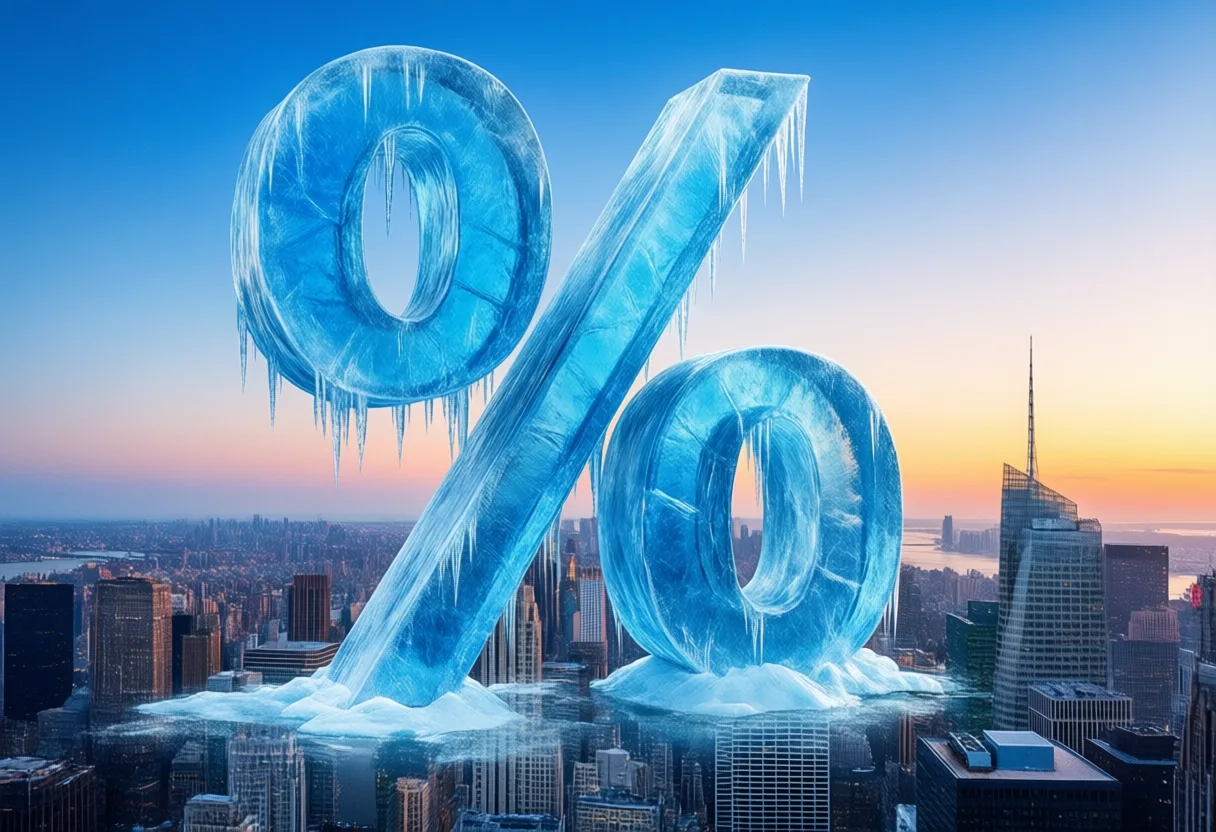
Interest rates Shape the cost of borrowing, and today’s Personal Finance Loan Rates reflect a market where timing and preparation matter more than ever. For borrowers, understanding these rates isn’t about chasing the lowest number-it’s about aligning borrowing decisions with long-term financial health.
Understanding Today’s Loan Rate Landscape
Borrowing money is a strategic decision, not just a transaction. Today’s Personal finance Loan rates vary widely based on credit quality, loan term, and lender type. Banks, credit unions, and online lenders each offer different structures, and the spread between the strongest and weakest borrowers can exceed several percentage points.
Market conditions shift, but fundamentals remain: rates rise when inflation pressures build and fall when economic growth slows. Right now, many lenders are adjusting terms in response to broader monetary policy, making it essential to Compare offers Rather than accept the first option. A disciplined approach starts with knowing your credit score and debt-to-income ratio-two metrics lenders use to set your rate.
To build that foundation, start with the Personal Finance Basics To Master Your Money Today, which outlines how income, spending, and credit habits shape your borrowing power. You can’t control the federal funds rate, but you can improve your Personal financial Profile. For deeper clarity, the Personal Finance Definition Understanding Your Financial Health explains how liquidity, net worth, and cash flow determine your risk level in a lender’s eyes.

Types of Personal Loans and Their Typical Rates
Unsecured personal loans are the most common choice for debt consolidation, home improvements, or unexpected expenses. These loans don’t require collateral, so lenders rely heavily on credit history and income verification to set rates. As a result, borrowers with excellent credit may qualify for rates well below the national average, while those with fair or poor credit face higher costs.
Secured personal loans, backed by assets like savings accounts or vehicles, often come with lower rates due to reduced lender risk. However, they carry the real danger of losing your asset if payments are missed. This trade-off demands careful consideration-low rates shouldn’t tempt you into risking essential assets.
Fixed-rate loans provide predictable monthly payments over the loan term, making budgeting easier. Variable-rate loans may start lower but can increase over time, creating uncertainty. For most people, Predictability outweighs the gamble of a temporarily low rate. The Personal Finance Interest Rates Guide Understanding Today's Rates breaks down how rate types interact with economic cycles, helping you decide which structure fits your risk tolerance.

How to Find the Best Lender for Your Needs
Not all lenders are created equal. National banks may offer stability, but online lenders often provide faster approvals and more flexible criteria. Credit unions, as member-owned institutions, frequently deliver competitive rates and personalized service, especially for borrowers with strong local ties.
When evaluating options, consider more than just the interest rate. Look at origination fees, prepayment penalties, and customer support quality. A slightly higher APR might be worth it if the lender offers flexible payment dates or hardship programs. Transparency in terms and timelines is a hallmark of trustworthy providers.
For a curated comparison of reliable lenders offering fast access and clear terms, review the Best Personal Loan Lenders You Can Trust For Fast Cash. This resource evaluates lenders on approval speed, fee structure, and borrower experience-not just advertised rates. Pair that with the Personal Finance Education Starts With Budgeting Basics to ensure you’re not borrowing to cover gaps a budget could fix.

Building Long-Term Financial Strength Beyond the Loan
A loan is a tool, not a solution. The real measure of financial progress is whether borrowing moves you toward stability or deeper into dependency. Before signing, ask: does this loan reduce overall interest costs? Does it align with a clear repayment plan?
Many borrowers overlook the power of incremental improvements. Paying down high-interest debt, increasing emergency savings, or adjusting your budget can reduce the need to borrow at all. The Personal Finance For Dummies How To Budget And Save Effectively offers a step-by-step method to track spending, set goals, and build discipline-skills that pay higher returns than any rate comparison.
In finance, knowledge compounds like interest. The more you understand about your habits, goals, and options, the better your decisions become. Treat every loan decision as part of a larger strategy-one where Control, clarity, and consistency Matter most.
What Shapes Your Loan Rate?
The Fed’s Moves Ripple Through Your Wallet
Ever wonder why loan rates seem to shift out of nowhere? A big part of that comes from the Federal Reserve. When they adjust the federal funds rate-the interest rate banks use to lend to each other-it sends a ripple effect across almost all consumer loan rates. While personal loans don’t track it exactly, lenders often raise or lower their rates shortly after Fed decisions. That means a rate cut could mean cheaper borrowing next month, while a hike might push your monthly payment higher.
Credit Scores Do More Than Open Doors
Your credit score doesn’t just decide if you qualify-it can swing your interest rate by double digits. Borrowers with excellent credit (think 750+) often snag rates nearly half as high as those with fair or poor scores. For a $10,000 loan over five years, that difference could save hundreds in interest. Lenders see high scores as proof you’re likely to pay on time, so they reward that trust with better terms.
The Shorter Loan Isn’t Always Cheaper Up Front
It’s tempting to go long-term for smaller payments, but shorter loans usually come with lower interest rates too. A 24-month personal loan typically carries a lower APR than a 60-month one from the same lender. Why? Less time for something to go wrong means less risk for them. So even though your monthly bill might be higher, you’ll likely pay far less overall-and be debt-free faster. Explore more stories, videos, and creators on Loaded.
Frequently Asked Questions
What factors influence personal loan rates today?
Personal loan rates are influenced by credit quality, loan term, lender type, and broader monetary policy. Lenders also consider your credit score and debt-to-income ratio when setting rates.
How does the Federal Reserve affect personal loan rates?
When the Federal Reserve adjusts the federal funds rate, it creates a ripple effect across consumer loan rates. Lenders often raise or lower their rates following Fed decisions.
Why might a shorter loan term be better than a longer one?
Shorter loan terms typically come with lower interest rates because they pose less risk to lenders. Although monthly payments are higher, you pay less overall and become debt-free faster.
What is the difference between fixed-rate and variable-rate loans?
Fixed-rate loans have predictable monthly payments over the loan term. Variable-rate loans may start with lower rates but can increase over time, creating payment uncertainty.
Not financial advice. This article is general information, not financial, investment, tax or legal advice. Talk to a qualified professional before making money decisions.
This article was produced with AI assistance. How Money Maker Magazine uses AI.
Nadia covers personal finance and long-term investment frameworks, helping readers build sustainable wealth through practical planning and behavioral insights. She breaks down complex financial systems into relatable, actionable steps without oversimplifying the stakes involved.