How Inflation Is Reshaping Your Monthly Budget
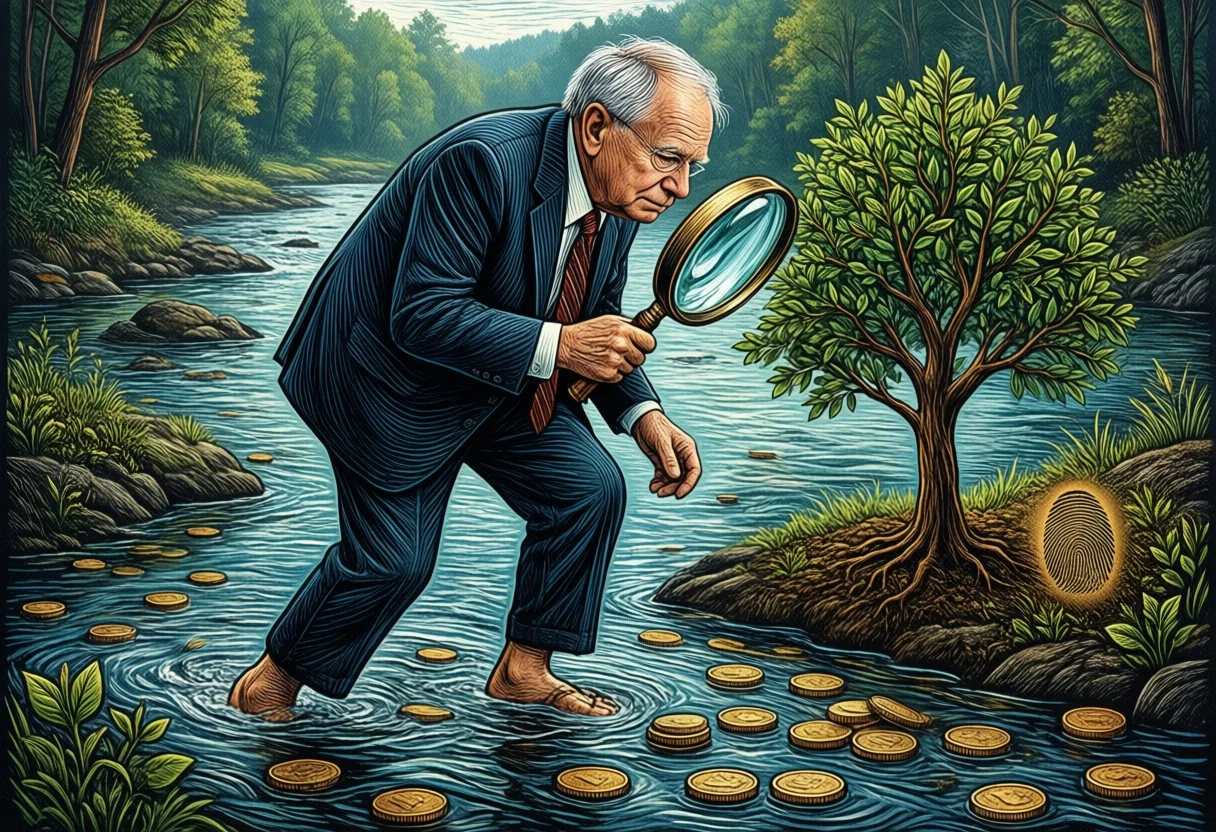
You wake up, brew your coffee, and glance at the grocery receipt from yesterday-again, sticker shock. That $9 loaf of sourdough? It’s not your imagination. Prices may not be skyrocketing like they were two years ago, but the burn is steady, not sudden. Inflation continues to quietly reshape what your paycheck can actually do.
The relief of slowing headline numbers doesn’t always reach the kitchen table. Yes, annual inflation has cooled from its peak, but everyday essentials-food, utilities, transportation-still carry the weight of recent hikes. A gallon of gas, a pound of chicken, even that streaming subscription you forgot to cancel-they’ve all settled into a new, higher normal.
Budgets are being rewritten in real time. People are trading name brands for store labels, driving less, and rethinking small luxuries. The truth is, inflation isn’t just a number on a screen-it’s the silent pressure behind every “do we really need this?” Moment at checkout. And for many, the old budget no longer fits the new reality.
Interest Rates Hold Steady-But for How Long?
The Federal Reserve hasn’t moved the needle-literally. Rates Remain frozen, holding firm as officials weigh stubborn inflation against growing concerns about economic slowdown. It’s a balancing act played out in boardrooms and living rooms alike.
Banks aren’t passing on any relief. Lending rates stay elevated, and that stability feels less like calm and more like suspense. Everyone’s waiting for the next signal-will the Fed cut to stimulate growth, or hike again to choke off inflation’s return?
This pause isn’t passive. It’s strategic tension. Markets twitch at every speech, every jobs report. The message from central bankers? We’re watching. And so should you. Because when rates finally shift, the ripple will reach your mortgage, your savings, and your borrowing power.

The Misconception About Inflation Being “Over”
Headlines scream “inflation cools!” And people exhale-mistaking a lull for the end. But inflation isn’t a storm that passes; it’s a tide that leaves debris behind. Just because prices aren’t rising as fast doesn’t mean they’ve come back down.
Too many assume we’re returning to 2020 prices. We’re not. The surge has reset the floor. That $3.50 gallon of gas? Gone. The $120 phone bill? Still here. Inflation’s damage is durable, not temporary. And the longer it lingers-even at lower levels-the more it Rewires spending Habits.
Recovery doesn’t mean reversal. It means adaptation. The danger lies in believing the battle is won when the scars are still fresh. The smartest households aren’t celebrating the slowdown-they’re planning for the next wave.
Housing Costs Defy Broader Cooling Trends
While other prices ease, Shelter costs Remain red-hot. Rent increases have slowed only slightly, and home prices in many regions continue to climb. Housing is the anchor dragging down disposable income.
Mortgage rates, still hovering near two-decade highs, have priced out a generation of would-be buyers. Meanwhile, demand for rentals surges as more people delay homeownership. The result? A bidding war in the rental market that benefits landlords and burdens tenants.
Even in cities once considered affordable, leases now demand premium payments. A one-bedroom in a midsize metro can easily cost more than a mortgage did five years ago. And with limited new construction, supply isn’t catching up anytime soon. For renters, relief isn’t on the horizon-it’s on hold.

Credit Card Rates Stay at Record Highs
If you’re carrying a balance, you’re paying dearly for it. Credit card interest rates remain near all-time highs, punishing anyone living beyond their means. The average APR is still deep in double digits, and issuers show no rush to lower it.
This isn’t just about late payments or poor credit. Even prime borrowers face steep rates because lenders are still adjusting to a high-interest environment. Revolving debt is now the most expensive form of borrowing most households will ever face.
Minimum payments barely touch the principal. One missed paycheck, one surprise bill, and the cycle tightens. The lesson? Pay in cash when you can. When you can’t, pay it off fast. Because carrying debt today is like renting money at luxury prices.
What the Data Says About Future Rate Cuts
Forecasters are split. Some see rate cuts by late summer, betting that inflation will continue to ease. Others warn that cutting too soon could reignite price surges, especially in services and wages. The path forward is anything but certain.
Markets are pricing in gradual reductions, but markets aren’t guarantees. The Fed’s decisions will hinge on jobs, inflation, and global events none of us can predict. One strong jobs report could delay cuts; one geopolitical flare-up could accelerate them.
History shows the Fed often acts too late or too early. This time, they’re trying to thread the needle-support growth without revving inflation. For you, that means flexibility matters more than forecasts. Don’t bet your budget on rate cuts that might not come.
Smart Moves for Your Finances in This Climate
In uncertain times, control what you can. Start with your spending. Track every dollar for 30 days-you’ll spot leaks you never noticed. Then, build a buffer. Even $500 can keep a flat tire from becoming a financial crisis.
Refinance only if you lock in real savings. That mortgage refi ad in your inbox? Run the numbers. With rates still high, the break-even point might be longer than you think. And don’t chase yield blindly-high returns often come with hidden risk.
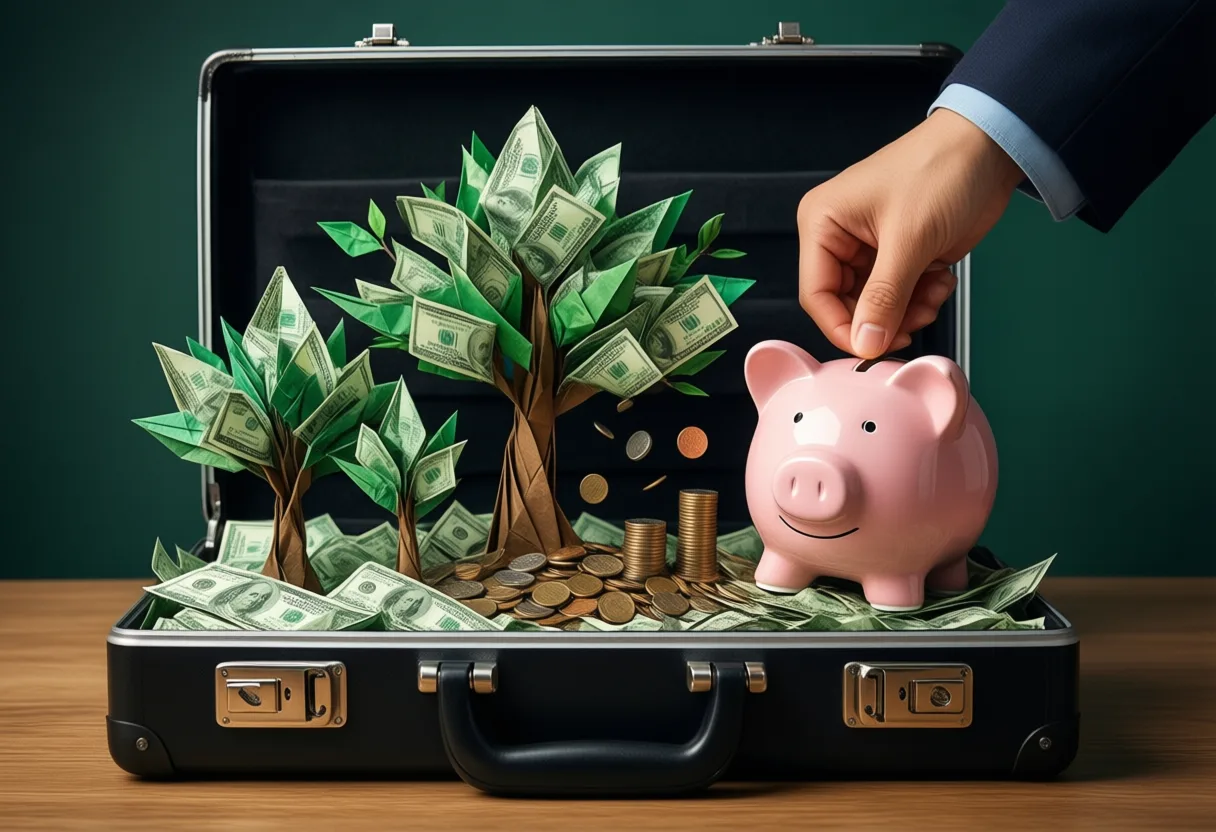
Finally, automate your savings. Pay yourself first, even if it’s small. $20 a week becomes $1,040 a year-plus interest. Consistency beats timing the market. The goal isn’t perfection-it’s progress, one paycheck at a time.

Where to Park Cash Without Chasing Risk
You want your cash to work-but not at the cost of sleep. High-yield savings accounts and short-term CDs are quietly delivering returns once reserved for riskier bets. You don’t need stocks to earn decent interest today.
Banks and credit unions are finally paying more to keep your deposits. Yields have climbed, and while they won’t beat inflation, they’re no longer zero. Compare options online-rates vary widely, and the best deals go to those who shop.
Keep emergency funds liquid and safe. Six to twelve months of expenses in a stable, accessible account is your financial shock absorber. Think of it as insurance-not an investment. When markets wobble, this cash lets you stand firm.
The Long Game: Staying Flexible in Uncertain Times
Markets shift. Policies change. Life surprises. The strongest financial plans aren’t rigid-they’re resilient. Build yours with room to pivot, not perfection.
Review your goals quarterly. Is that dream home still worth the stretch? Should you delay retirement to build a bigger cushion? These aren’t setbacks-they’re adjustments. The goal isn’t to predict the future, but to prepare for its range.
Stay informed, but don’t obsess. Personal Finance news today moves fast, but your decisions should be deliberate. Tune out the noise. Focus on what you control: spending, saving, and staying calm when others panic. That’s how wealth is built-not in a day, but over decades.
How Your Coffee Habit Connects to Inflation
The Bean Counters Were Right
Coffee lovers might not realize it, but their morning ritual has been quietly feeling the squeeze from inflation. Over recent years, the price of roasted coffee has climbed faster than many other grocery staples. One reason? Weather issues in key growing regions have disrupted supply, and those costs often trickle straight to the shelf. It’s a small daily expense, but when it jumps by 20% or more, it adds up-especially if you’re grabbing a cup on the way to work.
Interest Rates and Your Savings
Here’s a fun twist: while rising interest rates can make loans more expensive, they’ve actually been good news for savers. High-yield savings accounts and CDs now offer returns we haven’t seen in over a decade. That means your emergency fund could be earning real interest instead of losing value to inflation. It’s rare when higher rates feel like a win, but in this case, patience pays-literally. Explore more stories, videos, and creators on Loaded.
Frequently Asked Questions
Is inflation still affecting everyday expenses?
Yes, inflation continues to impact everyday essentials like food, utilities, and transportation. Even though annual inflation has cooled, prices remain at a higher level and have not returned to pre-surge levels.
Why are credit card interest rates so high?
Credit card interest rates remain near all-time highs due to the high-interest environment. Even prime borrowers face steep rates, making revolving debt the most expensive form of borrowing for most households.
Are housing costs still rising despite cooling inflation?
Yes, shelter costs remain high. Rent increases have slowed only slightly and home prices in many regions continue to climb. Mortgage rates are near two-decade highs, limiting affordability.
Can savers benefit from current interest rates?
Yes, rising interest rates have benefited savers. High-yield savings accounts and short-term CDs now offer returns not seen in over a decade, helping emergency funds earn real interest.
Not financial advice. This article is general information, not financial, investment, tax or legal advice. Talk to a qualified professional before making money decisions.
This article was produced with AI assistance. How Money Maker Magazine uses AI.
Diego explores the intersection of culture and commerce, reporting on how trends in travel, fashion, and dining shape consumer behavior and investment opportunities. His work reveals the economic engines behind everyday indulgences.