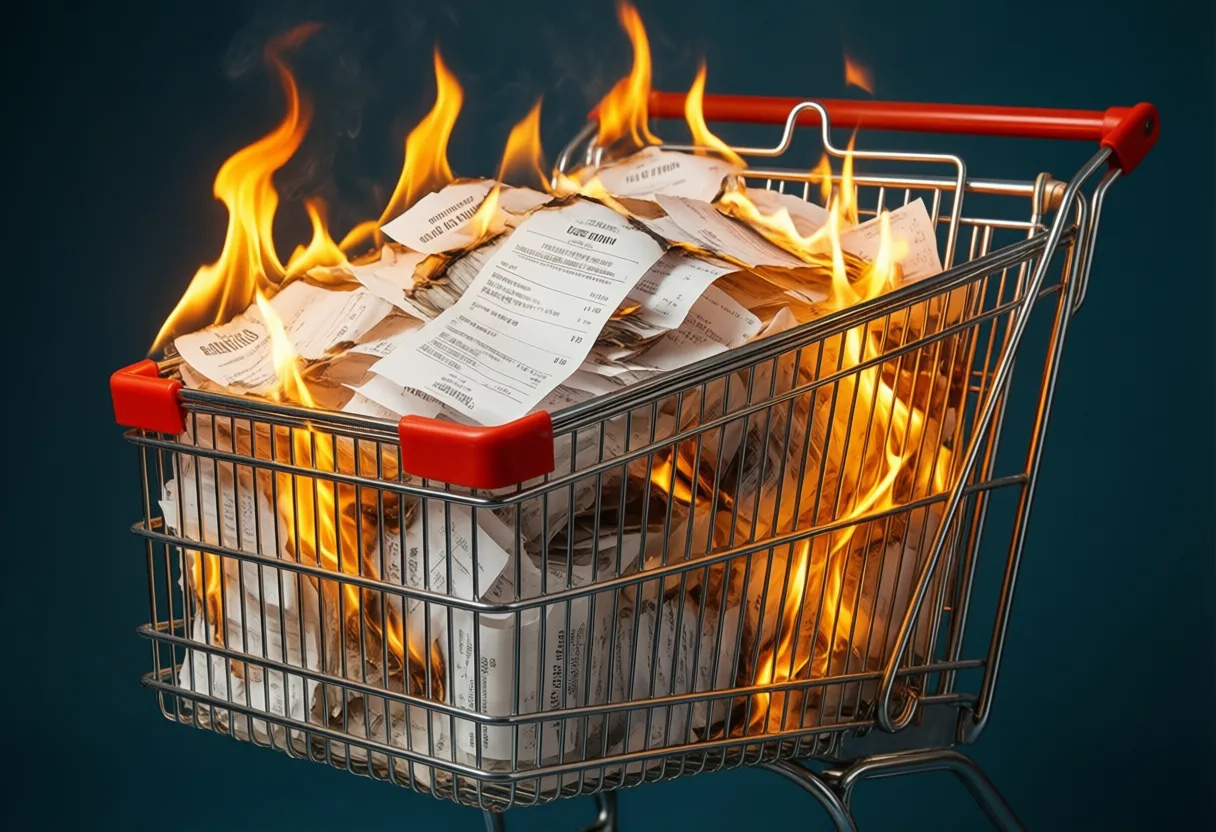
Inflation is no longer a distant economic report-it’s in the grocery cart, at the gas pump, and on the monthly rent statement. What once felt like temporary price spikes has settled into a sustained shift, forcing households to rethink how they plan, spend, and Save. The rules of budgeting are evolving, not because of trends, but because Purchasing power is shrinking faster than incomes are rising.
How Inflation Reshapes Everyday Financial Decisions
Inflation changes more than numbers-it alters behavior. When prices rise consistently, even small spending decisions carry long-term consequences. A $2 increase on milk may seem trivial, but repeated across dozens of items, it forces trade-offs: fewer meals out, delayed repairs, or paused savings goals.
People are no longer just tracking Expenses-they’re stress-testing them. They ask: Can this purchase withstand another 5% increase next year? This mindset shift turns budgeting from a static spreadsheet into a dynamic strategy. Like adjusting sails in shifting winds, financial plans must now respond in real time.
The psychological toll is real. Seeing familiar items cost more chips away at confidence, especially when wages don’t keep pace. But Awareness is the first defense. Recognizing that inflation demands proactive management-not panic-puts control back in the hands of the consumer. Strategic adjustments today can prevent reactive cuts tomorrow.

Inflation’s Ripple Effect on Household Budgeting
Adjusting Grocery Spending in Response to Persistent Price Gains
Grocery bills have become a frontline indicator of inflation’s reach. Staples like bread, eggs, and produce now require deeper wallet checks than just a year ago. Families are responding by prioritizing value over variety, choosing store brands, and planning meals around weekly sales cycles.
Bulk buying remains useful-but only when storage and usage align. Stockpiling perishables that spoil defeats the purpose. Instead, smart shoppers focus on non-perishable staples with stable demand and predictable price patterns. Rotation systems ensure nothing goes to waste.
Meal planning has shifted from convenience to necessity. By mapping out dinners for the week, households reduce impulse stops and minimize food waste. Some are adopting “flex proteins,” swapping pricier meats for beans or lentils on certain nights-a small change that compounds over time.
Rethinking Transportation Costs as Fuel and Insurance Rates Climb
Transportation costs are surging on multiple fronts. Fuel prices remain volatile, influenced by global supply dynamics and seasonal demand. At the same time, auto insurance premiums have climbed due to higher repair costs and increased claims frequency.
Commuters are re-evaluating routes, combining errands, and considering carpool options to stretch each gallon. Telework, where available, isn’t just a perk-it’s a cost-saving strategy. Even one remote day per week can trim fuel and maintenance expenses meaningfully over a year.
For those shopping for vehicles, total cost of ownership now weighs heavier than sticker price. Fuel efficiency, reliability ratings, and projected insurance costs factor into decisions. Leasing versus buying is being reassessed, with some opting to extend current leases rather than face higher monthly payments on new agreements.
Shifting Housing Budgets Amid Higher Rent and Mortgage Payments
Housing remains the largest line item in most budgets-and one of the least flexible. Renters face double-digit annual increases in many markets, while homeowners with adjustable-rate mortgages see payments reset sharply upward.
Tenants are staying put longer, passing up potential upgrades to avoid new Lease rates. Roommates Are becoming standard, not temporary, as shared costs ease individual burdens. Lease negotiations now include requests for concessions-free parking, waived fees, or included utilities.
Homeowners are exploring refinancing, though limited by current rate environments. Those with fixed-rate loans are in a stronger position, effectively locking in lower housing costs. For buyers, affordability hurdles mean waiting longer or adjusting expectations on size, location, or condition.
Delaying Big-Ticket Purchases Due to Extended Affordability Timelines
Major purchases-appliances, vacations, electronics-are being postponed. Inflation stretches the timeline to save enough, while also increasing the target price. A washer that cost $800 last year may now exceed $900, erasing months of progress.
This delay isn’t passive-it’s strategic. Consumers are conducting longer research cycles, waiting for sales events, or purchasing refurbished models. Some are investing in repairs instead of replacements, extending the life of existing items through maintenance.
The psychological impact of delayed gratification is significant. Society often equates spending with reward, but Delayed purchases can signal discipline, not deprivation. Each postponement becomes a test of priorities: is this need or want, and can it wait?
Rebalancing Emergency Funds to Match Inflated Expense Projections
Emergency funds must now cover more ground. A three-month expense buffer calculated two years ago likely falls short today. Medical co-pays, car repairs, or job loss now come with higher price tags, requiring larger reserves.
Many are recalculating their emergency targets using current, not historical, spending levels. This means revisiting every category-from prescriptions to internet bills-to reflect today’s costs. A fund based on outdated figures offers false security.
Liquidity remains key. These funds should stay accessible, not locked in long-term accounts. High-yield savings accounts are gaining favor, offering modest growth without sacrificing access. The goal isn’t market returns-it’s Preservation with slight expansion To match rising baseline needs.
Seeking Higher-Yield Accounts Just to Maintain Purchasing Power
Traditional savings accounts no longer cut it. With inflation above historical averages, low-interest deposits guarantee a loss in real terms. Money saved loses value simply by sitting still.
Higher-yield alternatives are now essential, not optional. Online banks and credit unions often offer better rates due to lower overhead. Certificates of deposit (CDs) appeal to those who can lock funds for set periods without penalty risk.
Still, safety matters. Chasing yield shouldn’t mean accepting undue risk. FDIC-insured accounts protect principal while delivering incremental gains. The objective is simple: Earn enough to offset inflation, not beat the market.
Cutting Back on Discretionary Spending Without Sacrificing Quality of Life
Discretionary spending is where most adjustments happen-but not all cuts feel equal. Canceling a subscription may go unnoticed; skipping a family outing can weigh emotionally.
Smart budgeting focuses on high-impact, low-sacrifice reductions. Streaming services are consolidated, dining out becomes intentional rather than habitual, and memberships are audited quarterly. The goal isn’t austerity-it’s alignment with values.
Some are shifting leisure spending toward low-cost experiences: parks, libraries, community events. Others practice “conscious consumption,” asking whether a purchase adds lasting value. This filter separates impulse from intention, reducing regret and increasing satisfaction.

Common Myths About Inflation and Personal Budgeting
One myth claims inflation affects everyone equally. In reality, its impact varies by spending pattern. Households spending more on essentials like food and transport feel pressure sooner than those with fixed housing or discretionary-heavy budgets.
Another myth suggests cutting all luxuries is necessary. But complete deprivation often leads to burnout and rebound spending. Sustainable budgeting allows measured enjoyment-just at adjusted frequency or scale.
Some believe inflation-proofing requires complex investments. While assets can help, the most effective tools are often simple: awareness, tracking, and timely adjustment. Control starts with clarity, not complexity.
What Today’s Inflation Data Means for Your Financial Plan
Current inflation trends suggest persistence, not permanence. Prices may not return to pre-2021 levels, but stabilization appears possible with continued monetary policy and supply chain normalization.
Your financial plan must now assume moderate inflation as a baseline, not an outlier. Assumptions about income growth, expense stability, and savings timelines need regular review. Annual checkups are no longer enough-quarterly assessments help catch drift early.
Budgets should include margin for error. Line items need buffers-5% to 10%-to absorb unexpected hikes. Flex categories allow movement between needs without breaking the overall structure. Rigidity fails under pressure; adaptability endures.

Next Steps for Staying Ahead of Rising Prices
Start by auditing your current spending with fresh eyes. Use real receipts, not estimates. Compare today’s totals to those from 12–18 months ago. Identify where increases hit hardest and whether substitutions exist.
Next, adjust savings targets. Increase contributions to emergency funds and prioritize accounts that offer meaningful interest. Every dollar saved should work-not just wait.
Finally, build a review rhythm. Schedule monthly check-ins to assess spending patterns, pricing changes, and progress toward goals. Inflation won’t disappear overnight, but Consistent action keeps it manageable. The best defense isn’t prediction-it’s preparation.
How Your Wallet Feels the Squeeze
The Coffee Conundrum
Ever notice how your morning coffee seems to cost more every few months? You're not imagining it. Inflation quietly reshapes everyday spending, and small price jumps on staples like coffee, bread, or gas add up fast. Think about it: if your favorite latte creeps up by just fifty cents, that’s an extra $15 a month-money that could’ve gone toward savings or paying down debt. People are feeling this pinch, and it’s pushing many to rethink where their cash goes.
Budgeting Gets Creative
Faced with rising costs, folks are getting clever with their budgets. Some are doubling down on price tracking, checking receipts more often or using apps to spot trends in what they spend. Others are swapping brand names for store labels, not just for groceries but for things like medications and cleaning supplies. It’s not about cutting corners at all costs, but about making room where it makes sense. One surprising tactic? Planning meals around sale items instead of a set menu-flexibility can be a powerful tool when prices are on the move.
Frequently Asked Questions
How is inflation changing the way people budget?
Inflation is turning budgeting from a static plan into a dynamic strategy, requiring real-time adjustments as purchasing power shrinks faster than incomes rise. People now stress-test expenses by asking if they can withstand future price increases.
What are households doing to manage rising grocery costs?
Families are prioritizing value over variety, choosing store brands, planning meals around sales, and using meal planning to reduce waste and impulse buys. Some are also using flex proteins like beans to replace pricier meats.
How are transportation costs affecting budgeting decisions?
Rising fuel and insurance costs are pushing commuters to combine errands, carpool, or work remotely when possible. Vehicle decisions now focus more on total cost of ownership, including fuel efficiency and projected insurance.
Why do emergency funds need to be larger now?
Emergency funds based on past spending no longer cover today’s higher costs for medical care, repairs, or job loss. People are recalculating targets using current expenses to avoid false security.
Not financial advice. This article is general information, not financial, investment, tax or legal advice. Talk to a qualified professional before making money decisions.
This article was produced with AI assistance. How Money Maker Magazine uses AI.
Nadia covers personal finance and long-term investment frameworks, helping readers build sustainable wealth through practical planning and behavioral insights. She breaks down complex financial systems into relatable, actionable steps without oversimplifying the stakes involved.