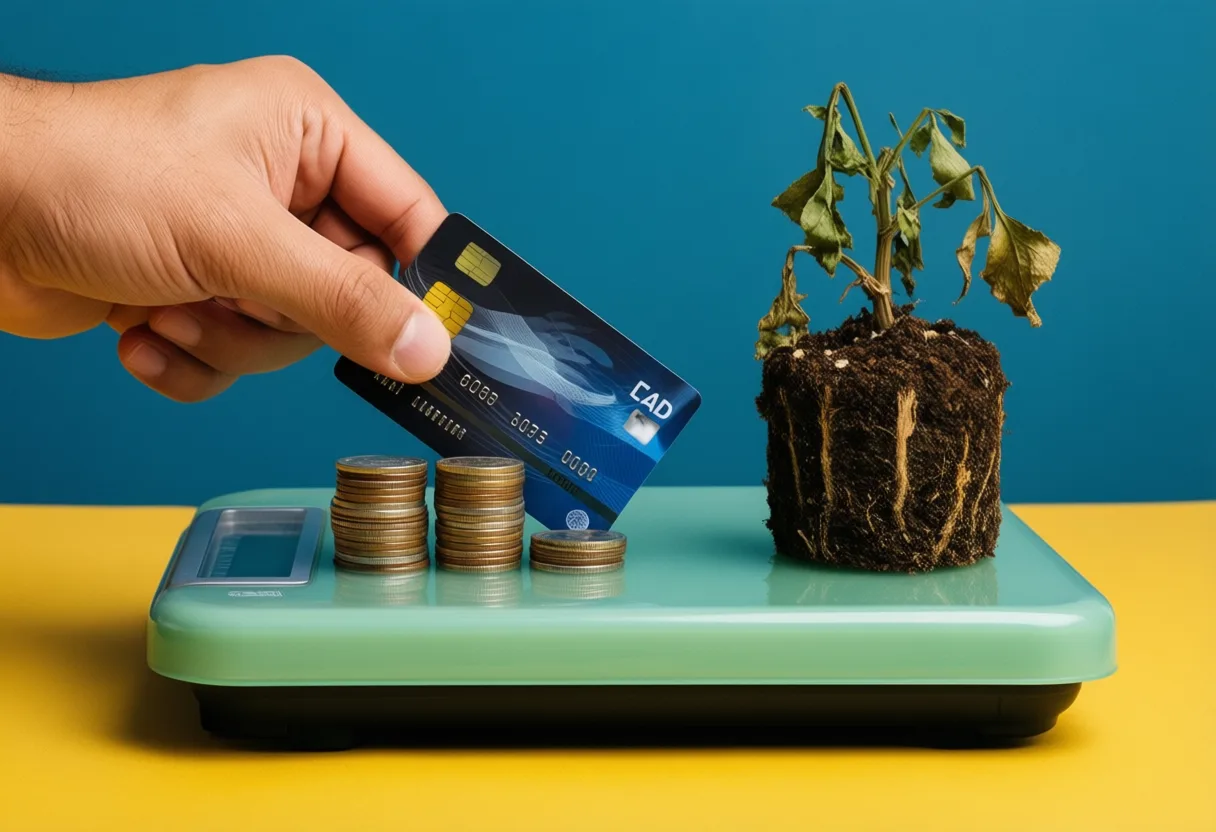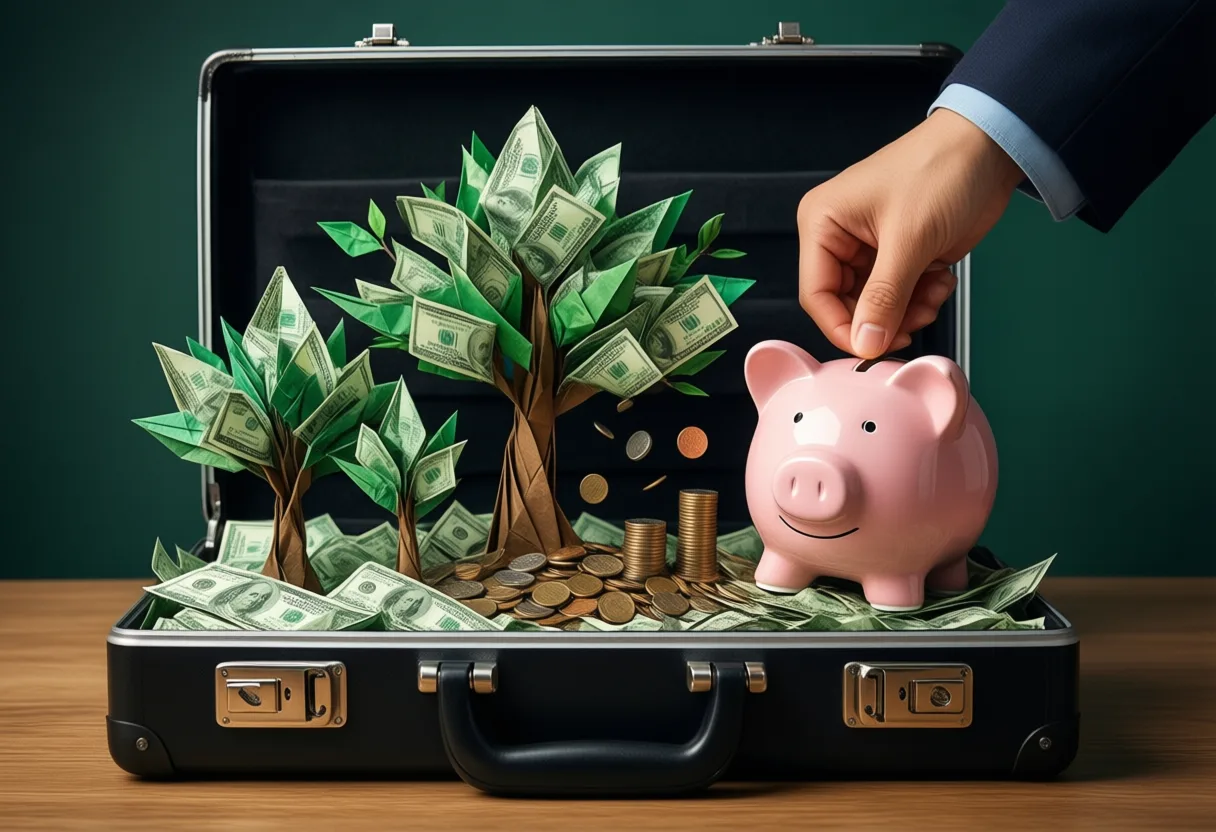
An Emergency fund Isn’t a luxury-it’s the financial equivalent of wearing a seatbelt. Without one, unexpected expenses like car repairs or medical bills can trigger debt spirals that take years to escape. The goal isn’t perfection; it’s progress through consistent, intentional choices.
Why Emergency Savings Matter More Than Ever
Economic volatility has become the norm, not the exception. Job markets shift quickly, healthcare costs remain unpredictable, and inflation can erode purchasing power without warning. Having cash set aside protects your Long-term goals From short-term shocks.
Many people assume emergencies only mean job loss. In reality, they include urgent home repairs, sudden travel, or even pet medical care. These events don’t wait for perfect timing-those without savings often turn to high-interest credit cards or loans, paying far more over time.
Building an emergency cushion shifts you from reactive to strategic. Instead of scrambling, you make decisions based on what’s best-not what’s immediately affordable. That control is foundational to lasting wealth.

How Much You Really Need to Save
There is no universal dollar amount that fits everyone. The right target depends on your monthly obligations, income stability, and personal risk tolerance. A stable dual-income household may need less in reserves than a self-employed individual with variable earnings.
Most financial strategies recommend three to six months’ worth of essential expenses-not income-as a benchmark. This includes rent, utilities, groceries, insurance, and minimum debt payments. It does not include Discretionary spending Like dining out or subscriptions.
To calculate your target: - List all necessary monthly expenses - Multiply by three (for starters) - Adjust upward if your income fluctuates or your job sector is cyclical
Start small if needed. Even $500 can prevent a minor setback from becoming a crisis. The key is consistency-automating contributions makes growth inevitable.

Practical Personal Finance Options to Grow Your Fund
Growing an emergency reserve doesn’t require windfalls or extreme frugality. It starts with aligning your habits with your priorities. The most effective methods are simple, repeatable, and integrated into your existing cash flow.
Automate From Every Paycheck
Set up a Direct deposit Split so a portion of each paycheck goes straight into a dedicated savings account. Out of sight, out of mind-this removes temptation and decision fatigue. Even 5% adds up over time, especially when paired with employer deposits.
Use Windfalls Strategically
Tax refunds, bonuses, or gifts are natural accelerants. Rather than spending them entirely, allocate at least half toward your emergency fund. These lump sums can shorten your timeline significantly without impacting Daily Budgeting.
Optimize Recurring Expenses
Review subscriptions, Insurance rates, and utility providers annually. Small reductions compound-saving $30 a month is $360 a year, enough to boost your safety net without lifestyle cuts. Redirect those savings automatically.
Choosing the Right Account Matters
Not all accounts serve the same purpose. Emergency funds must balance accessibility, safety, and modest growth. You need liquidity first, yield second.
High-yield savings accounts offer better interest than traditional banks while keeping funds available. They’re ideal because withdrawals are allowed without penalty, unlike certificates of deposit. Compare fees, minimums, and mobile access before choosing.
Avoid tying this money to investments like stocks or mutual funds. Volatility defeats the purpose-your emergency fund should be reliable, not subject to market swings. When uncertainty hits, you need certainty in your account balance.
Consider using a separate bank from your primary checking. This small barrier reduces impulsive withdrawals while still allowing quick transfers when truly needed. Name the account something clear like “Emergency Only” to reinforce discipline.
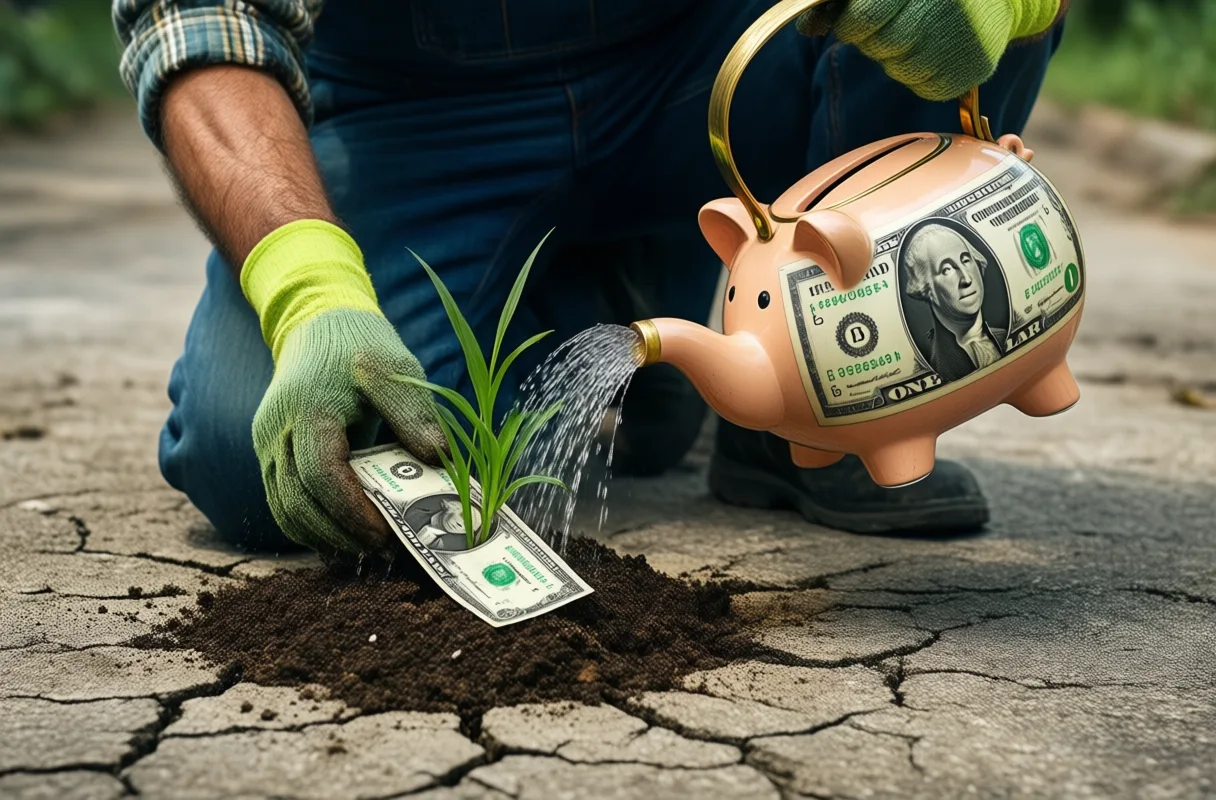
Staying Consistent Without Burnout
Discipline fades when motivation dips. Systems last longer than willpower. Build routines that survive busy seasons, stress, or life changes.
Track progress visually-a simple chart or app notification can reinforce momentum. Celebrate milestones like reaching one month of expenses, but keep the focus on continuity, not completion.
If you dip into the fund, reset the clock without guilt. Repay the amount over the next few months as a renewed priority. Treating it like a loan to yourself maintains accountability.
Remember: resilience isn’t built overnight. It’s the result of repeated, smart choices that add up beyond what any single action could achieve. Your future self won’t remember the coffee you skipped-but they’ll remember the bill you covered without panic.
Smart Moves That Grow Your Safety Net
The Power of Paycheck Tricks
Did you know your paycheck can be a stealthy savings tool? Setting up automatic transfers to a separate savings account right after payday means you’re paying yourself first-before you even have a chance to spend it. This small shift in timing taps into a psychological win: out of sight, out of mind. Many banks let you split direct deposits across multiple accounts, so a chunk of every paycheck can slide straight into your emergency fund without you lifting a finger. It’s like setting your money on autopilot.
Why Round-Ups Add Up Faster Than You Think
Some banks and apps offer round-up features that take spare change from your purchases and funnel it into savings. Buy a coffee for $3.85? That extra $0.15 gets saved. It sounds tiny, but over a month, those cents can pile into real dollars-sometimes $20 or more, depending on your spending. While it won’t build a full emergency fund alone, it’s a painless way to boost your balance without feeling the pinch. Pair it with a solid budget, and those micro-savings start to matter.
The Surprise Benefit of High-Yield Savings Accounts
Stashing cash in a regular checking account might feel safe, but it’s missing a key perk: growth. High-yield savings accounts often offer interest rates many times higher than standard accounts. That means your emergency fund isn’t just sitting there-it’s quietly earning more just for being put to work. Even better, these accounts keep your money accessible when real emergencies hit, striking a smart balance between growth and liquidity. Every dollar saved gets a little stronger over time. Explore more stories, videos, and creators on Loaded.
Frequently Asked Questions
Why is an emergency fund important?
An emergency fund protects your long-term financial goals from short-term shocks like car repairs, medical bills, or sudden travel. Without one, people often rely on high-interest credit cards or loans, leading to debt spirals.
How much should I save in my emergency fund?
Most financial strategies recommend saving three to six months’ worth of essential expenses, such as rent, utilities, groceries, insurance, and minimum debt payments. The exact amount depends on your income stability and monthly obligations.
What type of account is best for an emergency fund?
High-yield savings accounts are ideal because they offer better interest than traditional banks while keeping funds accessible. They allow withdrawals without penalty and are not subject to market volatility.
How can I grow my emergency fund consistently?
Automate transfers from each paycheck, use windfalls like tax refunds or bonuses strategically, and redirect savings from reduced recurring expenses. Tools like round-ups and separate accounts also help maintain consistency.
Not financial advice. This article is general information, not financial, investment, tax or legal advice. Talk to a qualified professional before making money decisions.
This article was produced with AI assistance. How Money Maker Magazine uses AI.
Nadia covers personal finance and long-term investment frameworks, helping readers build sustainable wealth through practical planning and behavioral insights. She breaks down complex financial systems into relatable, actionable steps without oversimplifying the stakes involved.