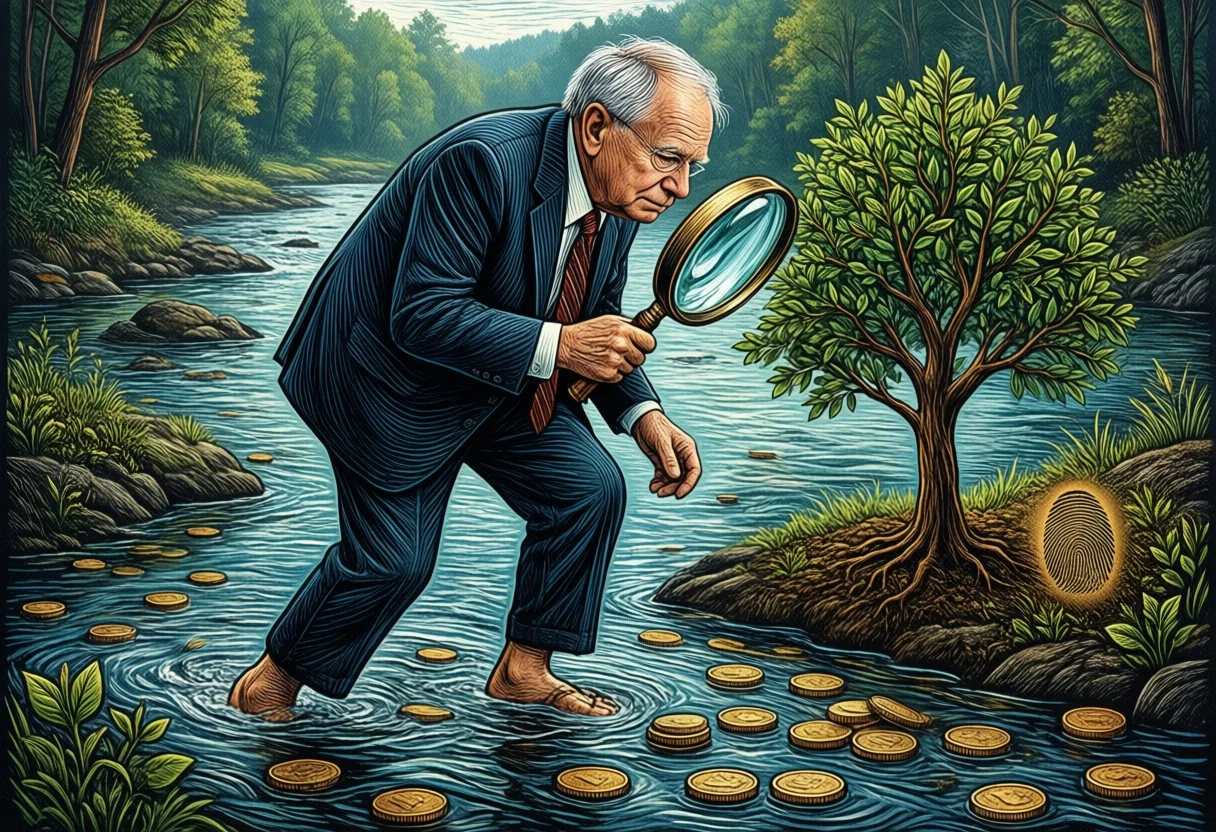
You’ve felt it-the weight of a Credit card Bill that seems to grow overnight, the quiet panic when your car sputters at a red light, or the hollow echo in your bank account after rent clears. These aren’t just bad days. They’re symptoms of a system that moves fast while most of us are still learning how to keep up.
But here’s the good news: you don’t need a six-figure salary or a trust fund to gain control. What you do need is clear, consistent guidance-the kind personal finance outlets deliver when they strip away the noise and focus on what actually works.
Smart Saving Starts with Structure
Saving money isn’t about willpower. It’s about design.
Too many people treat their savings like an afterthought-what’s left over at the end of the month. But that’s backwards. If you wait to Save, you’ll never save.
Instead, flip the script. Pay yourself first. That means setting aside a portion of every paycheck before anything else gets paid. Even if it’s small, consistency builds momentum. Over time, those automatic transfers compound-not just in dollars, but in peace of mind.
Start by choosing one goal: a vacation, a new laptop, or three months’ worth of living expenses. Give it a name and a deadline. Then break it down. How much per week do you need to hit that target? Seeing progress-even slow, steady progress-rewires your brain to value patience over impulse.
- Automate transfers on payday
- Use a separate account for each goal
- Label accounts clearly (e.g., “Emergency Fund” or “Car Repair”)
- Review monthly, adjust quarterly
When your savings have a job, they stop feeling abstract. You’re not just hoarding cash-you’re funding freedom.

Building Credit Without the Hype
Your credit score isn’t a report card on your character. It’s a financial tool-one that rewards predictability.
And like any tool, it only works if you understand how to use it.
The fastest way to improve your score? Pay every bill on time, every time. No exceptions. Payment history weighs heavily, and even one late payment can drag down years of progress. Set up reminders or automatic payments-make it impossible to forget.
Next, watch your credit utilization. That’s how much of your available credit you’re using at any time. Experts Often suggest staying under 30%, but lower is better. If you have a $1,000 limit, aim to carry a balance under $300-and pay it off completely each month.
- Avoid opening too many accounts at once
- Keep old cards open, even if unused
- Check your credit report annually for errors
- Don’t close accounts right after paying them off
Improving credit isn’t magic. It’s repetition. It’s showing lenders, month after month, that you’re someone they can count on.
Emergency Funds Are Built Brick by Brick
An emergency fund isn’t meant to impress. It’s meant to protect.
It’s the buffer between a flat tire and a debt spiral. Between a medical bill and a sleepless night.
Most experts recommend saving three to six months’ worth of essential expenses. But that number can feel overwhelming. So start smaller. Aim for $500. Then $1,000. Each milestone gives you more breathing room.
Put this money somewhere safe and accessible-a high-yield savings account, not the stock market. You’re not trying to grow wealth here. You’re buying stability. When the unexpected hits, you won’t have to choose between your well-being and your budget.
- Treat emergencies as non-negotiable expenses
- Fund the account before investing or splurging
- Replenish immediately after use
- Keep it separate from daily spending
This isn’t about perfection. It’s about preparation. And the sooner you start, the sooner you stop fearing every surprise.

Retirement Planning Is Simpler Than You Think
Retirement isn’t decades away-it’s tomorrow’s decision in disguise.
Every dollar you invest now has more time to grow than the one you delay until next year.
If your job offers a retirement plan with matching, enroll immediately. That match is free money-like a guaranteed raise you get just for participating. Contribute enough to get the full match. If you skip it, you’re leaving real income on the table.
Then follow the 10-15% rule: aim to save 10 to 15% of your income for retirement. Start where you can, even if it’s 3%. Increase by 1% every six months or with each raise. Small jumps barely hurt your take-home pay but make a huge difference long-term.
- Begin in your 20s: time is your biggest advantage
- In your 30s: increase contributions, avoid lifestyle inflation
- In your 40s: accelerate savings, reduce debt
- In your 50s: catch-up contributions allowed
You don’t need complex strategies. You need consistency. The math favors those who start early and stay steady.
Tax-Saving Moves Anyone Can Make
Taxes aren’t just something you endure-they’re something you can plan for.
And smart planning doesn’t require a CPA or offshore accounts. Just a few disciplined choices.
First, contribute to tax-advantaged accounts. A traditional 401(k) or IRA lets you deduct contributions from your taxable income today. You pay taxes later, ideally in retirement when your rate may be lower. Roth options work the opposite way-pay taxes now, withdraw tax-free later. Choose based on your current and expected future income.
Next, track eligible deductions. If you work from home, keep records of internet, utilities, or equipment used for work. Charitable donations, student loan interest, and certain medical costs may also qualify. Save receipts and organize them early.
- File on time-don’t gamble with penalties
- Adjust withholding if you consistently owe or get large refunds
- Use tax software or a preparer who understands your situation
- Plan ahead: estimate next year’s liability now
Paying less isn’t about gaming the system. It’s about using the rules to your advantage-legally, ethically, and wisely.

Choosing Banking Products That Work for You
Not all banks are the same. Neither are their products.
And picking the wrong checking account or credit card can cost you hundreds a year in fees and missed rewards.
Start with checking and savings accounts. Look for no monthly maintenance fees, no minimum balance requirements, and ATM fee reimbursements. High-yield savings accounts pay interest-sometimes ten times more than standard ones. Even small balances benefit from earning something instead of nothing.
For credit cards, focus on purpose. Want cash back on groceries and gas? Pick a flat-rate card. Travel often? A travel rewards card might make sense-if you pay it off monthly. Never carry a balance chasing points. Interest wipes out any bonus.
- Compare annual fees vs. Benefits
- Read the fine print on rewards caps and categories
- Avoid overdraft protection unless absolutely necessary
- Use online tools to compare rates and features
Your bank should serve you-not drain you. Choose products that align with how you actually live.
Tackling High-Interest Debt with a Clear Plan
Debt feels heavy because it is. Interest compounds against you, not for you.
But you can shift the momentum-with strategy, not sacrifice.
Start by listing every debt: balances, interest rates, and minimum payments. Sort them by rate, highest to lowest. This is your attack order. Focus extra money on the highest-interest debt while making minimums on the rest. Once that’s paid, roll the payment into the next one.
Alternatively, some prefer the snowball method: pay off the smallest balance first for quick wins. Psychology matters. If momentum keeps you going, it’s worth it.
- Stop adding new debt-freeze the cards if needed
- Consider a balance transfer card with a 0% intro period
- Avoid payday loans or title loans at all costs
- Call lenders to negotiate lower rates or payment plans
Freedom from debt isn’t a fantasy. It’s a sequence of smart decisions repeated until the weight lifts.
And the first step? Starting-today.
Trusted Voices in Your Money Journey
Where Advice Meets Everyday Life
Personal finance outlets have been around longer than you might think-some of the earliest financial advice columns in newspapers date back to the early 20th century, offering tips on budgeting and saving during times of economic uncertainty. These early efforts laid the foundation for today’s digital guides, podcasts, and video series that make money know-how accessible to everyone with an internet connection. Instead of complex jargon, modern outlets focus on real-life situations-like how to handle an unexpected bill or save for a vacation-making financial literacy feel less like homework and more like a conversation with a savvy friend.
Many popular personal finance platforms started as personal blogs where everyday people documented their journey out of debt or toward early retirement. These stories resonated because they were honest, relatable, and free of corporate spin. Over time, some grew into major resources, but the core idea remains: sharing practical steps that actually work in real budgets. You’ll often find tips like “pay yourself first” or “track your spending for one week” because they’re simple habits that can lead to big changes over time.
Behind the scenes, credible outlets rely on certified financial planners, accountants, or journalists with years of experience to review content. This helps keep advice grounded in reality, not hype. While flashy headlines might grab attention, the best resources prioritize clarity and long-term value-like explaining the difference between good debt and bad debt without pushing specific products. The goal isn’t to sell you something, but to help you make informed choices with confidence. Explore more stories, videos, and creators on Loaded.
Frequently Asked Questions
What does 'pay yourself first' mean?
It means setting aside a portion of every paycheck for savings before paying any other expenses. This ensures saving is a priority, not an afterthought.
How can I improve my credit score?
Pay every bill on time and keep credit utilization low, ideally under 30%. Avoid opening too many accounts at once and check your credit report annually for errors.
How much should I save in an emergency fund?
Start with $500, then aim for $1,000. Most experts recommend saving three to six months’ worth of essential expenses over time.
Why is retirement planning important even in my 20s?
Starting early allows more time for investments to grow. Consistency and compound growth make a significant difference over the long term.
Not financial advice. This article is general information, not financial, investment, tax or legal advice. Talk to a qualified professional before making money decisions.
This article was produced with AI assistance. How Money Maker Magazine uses AI.
Diego explores the intersection of culture and commerce, reporting on how trends in travel, fashion, and dining shape consumer behavior and investment opportunities. His work reveals the economic engines behind everyday indulgences.