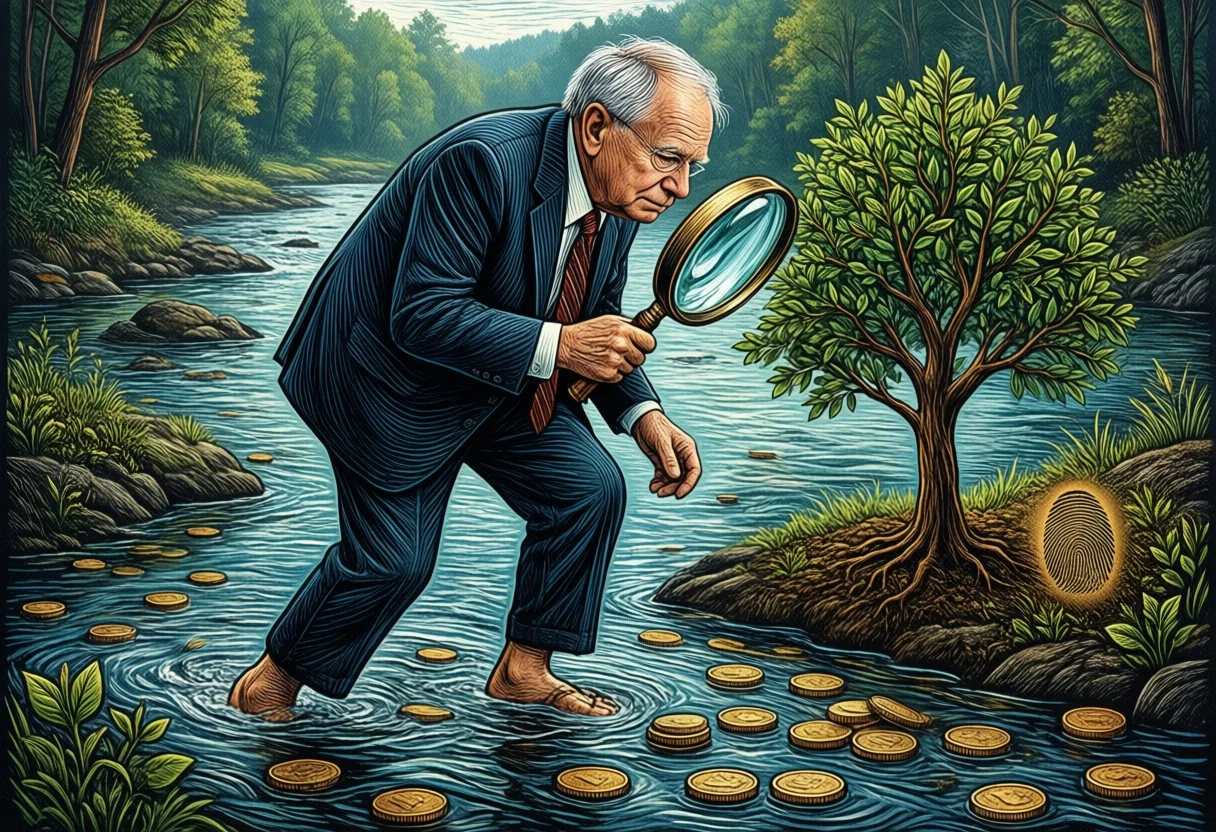
What Is Financial Health, Really?
Financial health Isn’t about how much money you earn. It’s about how well your money works for you and how prepared you are for both expected and unexpected costs.
Think of your finances like a car engine. A high salary might be a powerful engine, but if the transmission is slipping or the tires are flat, performance suffers. True financial health means balance-Spending Less than you earn, saving consistently, managing debt wisely, and planning ahead.
It shows up in quiet moments: when a flat tire doesn’t derail your month, when you can say no to a job you hate, or when retirement feels like a choice, not a crisis. This stability doesn’t come from luck-it comes from systems, not willpower. And like any system, it starts with clear metrics: income, expenses, net worth, and cash flow.
Without Tracking These basics, you’re driving blind. You may know you’re spending too much, but without seeing where, adjustments are guesswork. Awareness is the first lever of control. When you map your financial reality, patterns emerge-subscriptions draining accounts, inconsistent saving, or reliance on credit for daily costs.
Why Budgeting Still Matters in a Digital World
Budgeting has evolved, but its core purpose remains unchanged: to align your spending with your goals. Even in an age of tap-to-pay and instant transfers, A budget is the blueprint that keeps impulse from overriding intention.
Many assume budgets restrict freedom. In truth, they create it. By deciding in advance how money should flow, you reduce daily decision fatigue. No more wondering whether a $50 dinner is “okay.” If it fits the plan, enjoy it. If not, adjust next month’s plan-don’t live in guilt.
Digital tools now automate much of the tracking. Apps sync with bank accounts, categorize spending, and send alerts when limits are near. But automation doesn’t replace judgment. The real work happens when you review the data and ask: Is this still my priority?
Consider these three steps for a modern budget: 1. Track all income and outflows for 30 days-no editing, just observation. 2. Categorize spending into needs, wants, and savings goals. 3. Assign every dollar a job, including savings, before the month begins.
A zero-based approach-where income minus outgo equals zero-ensures nothing slips through the cracks. That includes saving for future expenses like car repairs or vacations. When those costs arise, they’re not emergencies-they’re planned Line items.

The Real Impact of Emergency Funds
An emergency fund isn’t a luxury. It’s the financial equivalent of wearing a seatbelt. Its purpose isn’t to help you achieve goals-it’s to prevent small setbacks from becoming disasters.
Life delivers surprises: medical bills, job loss, home repairs. Without a buffer, people turn to high-interest Credit cards Or loans, digging holes that take years to escape. One study found nearly four in ten Americans couldn’t cover a $400 expense without borrowing or selling something. That fragility undermines long-term progress.
Start small. Aim for $500, then $1,000. Once stable, build to three to six months of essential living expenses. Store it in a separate, liquid account-easy to access, but not so easy that you’ll dip into it for shoes or trips.
This fund isn’t static. Reassess it as life changes-new job, family, or mortgage. And when used, prioritize replenishing it. Treat recovery as urgent as the initial deposit.
The psychological benefit is often overlooked. Knowing you’re covered reduces anxiety. You sleep better. You negotiate jobs from strength. You avoid panic decisions. That calm is priceless-and compound interest starts with peace of mind.
Debt Demystified: Good, Bad, and Ugly
Not all debt is created equal. The difference lies in whether it builds value or drains it over time. Debt that increases earning potential or net worth can be strategic; debt that funds fading consumption is often destructive.
Good debt typically has low interest and supports growth. Examples include student loans that lead to higher income, or mortgages that build equity in appreciating assets. These are investments-with risk, yes, but potential payoff.
Bad debt carries high interest and funds depreciating items. Credit card balances for vacations, electronics, or dining fall here. Minimum payments stretch costs for years, turning a $2,000 trip into a $3,500 burden. The item loses value while the cost grows.
Then there’s the ugly: predatory loans with hidden fees, balloon payments, or triple-digit interest. Payday loans and rent-to-own agreements often trap people in cycles of repayment without building ownership.
To manage debt: - List all balances, interest rates, and minimums. - Prioritize paying off the highest-interest debt first (the avalanche method). - Consider consolidation only if it lowers rates and doesn’t extend the term.
Freedom from toxic debt isn’t just financial-it’s emotional. Every payment toward liberation strengthens autonomy.

Investing Without the Jargon
Investing confuses many because it’s wrapped in complex terms. Strip it down: Investing means owning a piece of something that can grow in value or generate income over time.
You don’t need to pick stocks like a pro. Most lasting wealth comes from broad exposure-owning slices of entire markets through low-cost index funds or ETFs. These spread risk and capture overall economic growth.
Time is your greatest ally. A $300 monthly investment at a 7% average annual return becomes over $500,000 in 35 years. Start 10 years later? Less than half that amount. Consistency beats timing.
Common options include: - 401(k)s or IRAs: Tax-advantaged accounts designed for retirement. - Brokerage accounts: Flexible investing for goals beyond retirement. - Target-date funds: Automatically adjust risk as you near retirement.
Avoid chasing trends. Crypto, meme stocks, and “sure things” rarely build lasting wealth. Volatility favors the patient. Focus on what you control: fees, diversification, and regular contributions.
Remember: investing isn’t about getting rich quick. It’s about staying rich slowly.
Credit Scores Uncovered: What Moves the Needle
Your credit score is a snapshot of lending risk-not net worth, not income, but reliability in repaying debt. Lenders use it to decide approval and interest rates, which can save or cost you thousands over time.
Five factors shape your score: - Payment history (35%): On-time payments matter most. - Amounts owed (30%): Low credit utilization-ideally under 30%-signals control. - Length of credit history (15%): Older accounts help. - Credit mix (10%): Having different types (loan, card) adds minor points. - New credit (10%): Too many hard inquiries in a short span can lower scores.
No single action fixes a score overnight. Steady, responsible behavior over time is the only reliable path upward. Missed payments linger for years, but consistent habits gradually erase their impact.
Avoid common myths: checking your own score doesn’t hurt it; closing old cards can shorten history and raise utilization; paying cash for everything won’t build credit.
Monitor reports annually. Errors happen. Dispute inaccuracies promptly. Clean data leads to fair scoring.
The Retirement Myth That Holds People Back
Many believe retirement planning starts in your 40s or 50s. That delay is one of the most expensive mistakes. The real power of compounding begins decades earlier-when time magnifies even small contributions.
Imagine two savers. One starts at 25, investing $300 a month until 65. The other waits until 35, then invests $600 monthly. Despite contributing twice as much each month, the late starter ends with less-because they lost 10 years of growth.
Retirement isn’t just about comfort-it’s about choice. Early planning means options: working part-time, switching careers, or retiring early. Waiting narrows those paths.
Employer plans like 401(k)s often include matching-free money up to a limit. Not contributing enough to get the full match is like refusing a pay raise. Maximize it before pursuing other goals.
Even if retirement feels abstract now, treat it like fitness: small, regular effort today prevents pain tomorrow. Automate contributions. Increase them with every raise. Let inertia work for you.

Mindset Over Math: Your Emotional Relationship with Money
Numbers guide decisions, but emotions drive behavior. Two people with identical incomes can have opposite outcomes based on mindset. One sees money as security, the other as identity-and that shapes every choice.
Scarcity thinking breeds fear: hoarding, avoidance, or impulsive splurging after deprivation. Abundance thinking-often misunderstood as recklessness-is really confidence in future flow. It allows generosity, patience, and long-term bets.
Childhood experiences shape money scripts: “Money is dangerous,” “Rich people are greedy,” or “I’ll never have enough.” Recognizing these beliefs is step one. Rewriting them takes conscious effort.
Ask yourself: - What did I learn about money growing up? - Do I feel guilty spending, saving, or earning? - Am I using money to prove something?
Therapy, journaling, or coaching can help. So can simple reframing: instead of “I can’t afford this,” try “This isn’t a priority right now.” Language shapes perception.
Wealth isn’t just accumulation. It’s alignment-between values, actions, and resources.
Putting It All Together: A Simple Financial Roadmap
Building financial strength doesn’t require genius-just consistency. Follow a clear sequence to avoid overwhelm and make steady progress.
Start with awareness: track every dollar for a month. Know where you stand. Then build a realistic budget that includes saving as a non-negotiable expense.
Next, create a safety net. Save $500, then $1,000, then three to six months of essentials. Keep it accessible, separate, and respected.
Attack high-interest debt aggressively. Use the avalanche method-highest rate first-to minimize total interest paid. Avoid new debt while repaying old.
Begin investing early, even with small amounts. Use tax-advantaged accounts and low-cost diversified funds. Automate contributions to stay consistent.
Finally, revisit the plan regularly. Life changes-marriage, children, career shifts-and your strategy should adapt. Financial health is not a destination. It’s continuous calibration.
Stick to the fundamentals. Master them, and complexity fades. The goal isn’t perfection-it’s resilience.
Getting a Grip on Your Green
The Coffee Conundrum
Think that daily coffee run is harmless? Reconsider. If you grab a $5 latte every weekday, you're spending over $1,300 a year-enough to cover a solid emergency fund starter or a weekend getaway. Small daily habits quietly shape your financial health more than you might guess.
Your Paycheck’s Hidden Journey
Before that paycheck hits your account, nearly a third is already spoken for. Taxes, Social Security, and Medicare take a significant cut-sometimes 25% to 30%-meaning you never actually get to spend that portion. That’s why understanding your pay stub matters; what you earn isn’t always what you keep.
The Compound Interest Magic Show
Start saving $100 a month at age 25, and with a modest 7% annual return, you could have over $200,000 by 65. Wait until 35 to start? You’d end up with less than half that. Time isn’t just on your side-it’s your biggest financial ally. The earlier you begin, even with small amounts, the more your money can grow on its own. Explore more stories, videos, and creators on Loaded.
Frequently Asked Questions
What is financial health, and why does it matter?
Financial health is about how well your money works for you and your preparedness for expected and unexpected costs. It means spending less than you earn, saving consistently, managing debt, and planning ahead.
How does an emergency fund help in real life?
An emergency fund prevents small setbacks from becoming disasters by covering surprises like medical bills or job loss. It reduces reliance on high-interest debt and lowers financial anxiety.
What’s the difference between good debt and bad debt?
Good debt has low interest and builds value, like student loans or mortgages. Bad debt has high interest and funds items that lose value, like credit card spending on vacations or electronics.
Why is starting to invest early so important?
Starting early allows time to grow wealth through compound interest. For example, saving $100 a month at 25 can result in over $200,000 by 65 with a 7% return.
Not financial advice. This article is general information, not financial, investment, tax or legal advice. Talk to a qualified professional before making money decisions.
This article was produced with AI assistance. How Money Maker Magazine uses AI.
Nadia covers personal finance and long-term investment frameworks, helping readers build sustainable wealth through practical planning and behavioral insights. She breaks down complex financial systems into relatable, actionable steps without oversimplifying the stakes involved.