The smell of fresh coffee, the hum of traffic outside your apartment window, the ping of a notification-your paycheck just hit. It’s a small victory, but within minutes, three alerts flash: rent due, credit card payment overdue, and a friend asking to split dinner from last weekend. This moment-ordinary, fleeting-holds the quiet power to shape your Financial future. What you do next isn’t just about money. It’s about the habits you’ve built, the knowledge you lack, and the invisible forces pulling you toward stability or stress.
Why So Many People Sabotage Their Own Financial Future
We’ve all been there-buying takeout when we’re tired, swiping a card without checking the balance, or ignoring bills until they pile up like unread novels on a nightstand. These aren’t signs of failure. They’re symptoms of a deeper issue: a lack of personal awareness around money. Most people don’t wake up planning to fall into debt or miss retirement goals. But without a clear understanding of where their money goes, they drift-day by day, decision by decision-into Financial quicksand.
It’s easy to blame willpower, but the real culprit is often Inaction disguised as normalcy. You tell yourself you’ll start Saving “next month” or that investing is for people with extra cash. Meanwhile, small leaks-subscriptions you forgot, fees you didn’t notice, impulse buys justified as “treats”-drain your account. The result? A gap between what you earn and what you keep, a gap that widens over time.
Breaking this Cycle starts With one truth: Your money habits are not fixed. They’re learned, often from parents, culture, or trial and error. The good news? They can be unlearned and rebuilt. By treating money like a skill-something you practice, not just endure-you reclaim control. Start by tracking every dollar for one week. You don’t need fancy tools. A notebook, a spreadsheet, or even voice memos work. Awareness is the first step toward change, and it’s the foundation of smart money management. For those just beginning, Personal Finance Basics To Master Your Money Today offers a clear starting point.
The Hidden Cost of Not Understanding Compound Interest
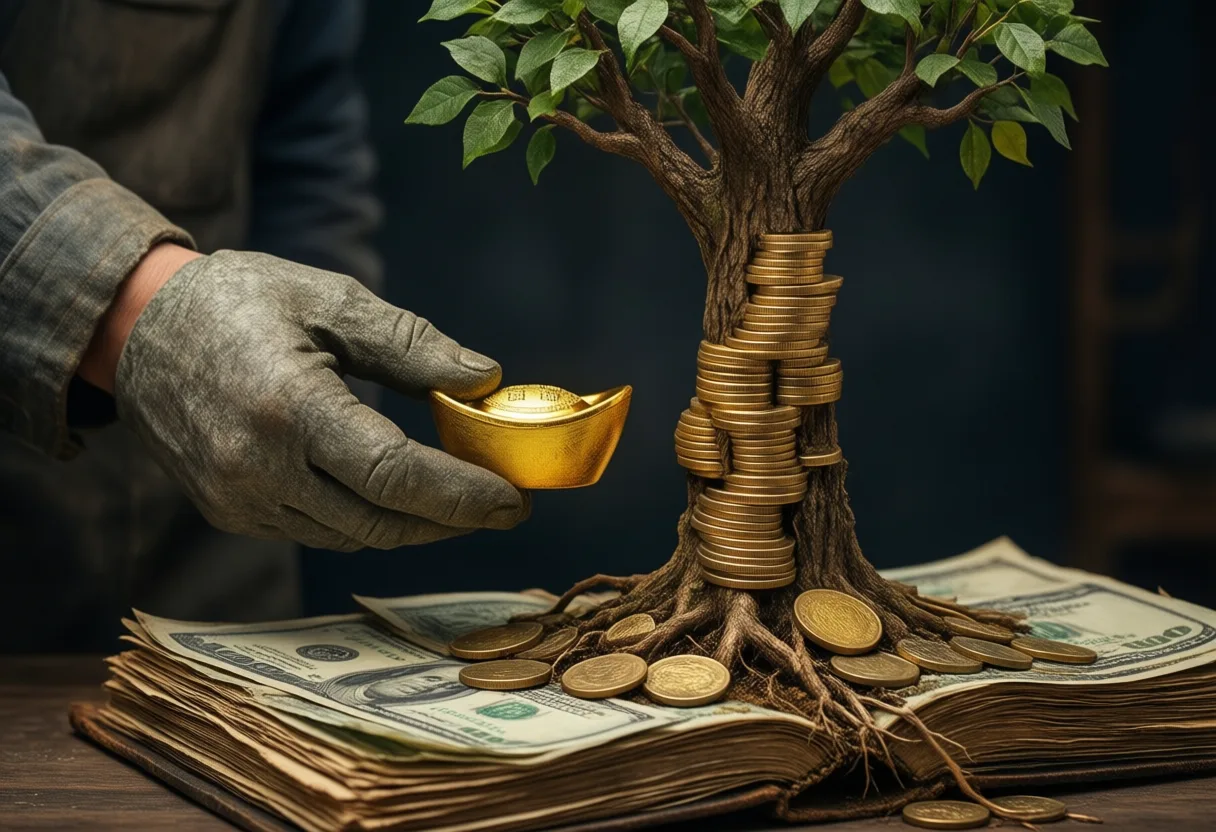
Imagine planting a tree. You water it, protect it, and wait. At first, nothing seems to happen. Then, slowly, it grows-not just taller, but wider, stronger, producing shade and fruit. Money works the same way when compound interest is on your side. But if you don’t understand how it grows, you might accidentally cut the tree down before it bears fruit.
Compound interest means your money earns returns, and then those returns earn returns too. The earlier you start, the more powerful the effect. A $100 investment at age 25 could grow far more by 65 than the same investment made at 35-even if you never add another dollar. But most people don’t see this because The growth is invisible in the beginning. It’s quiet, patient, and easy to ignore.
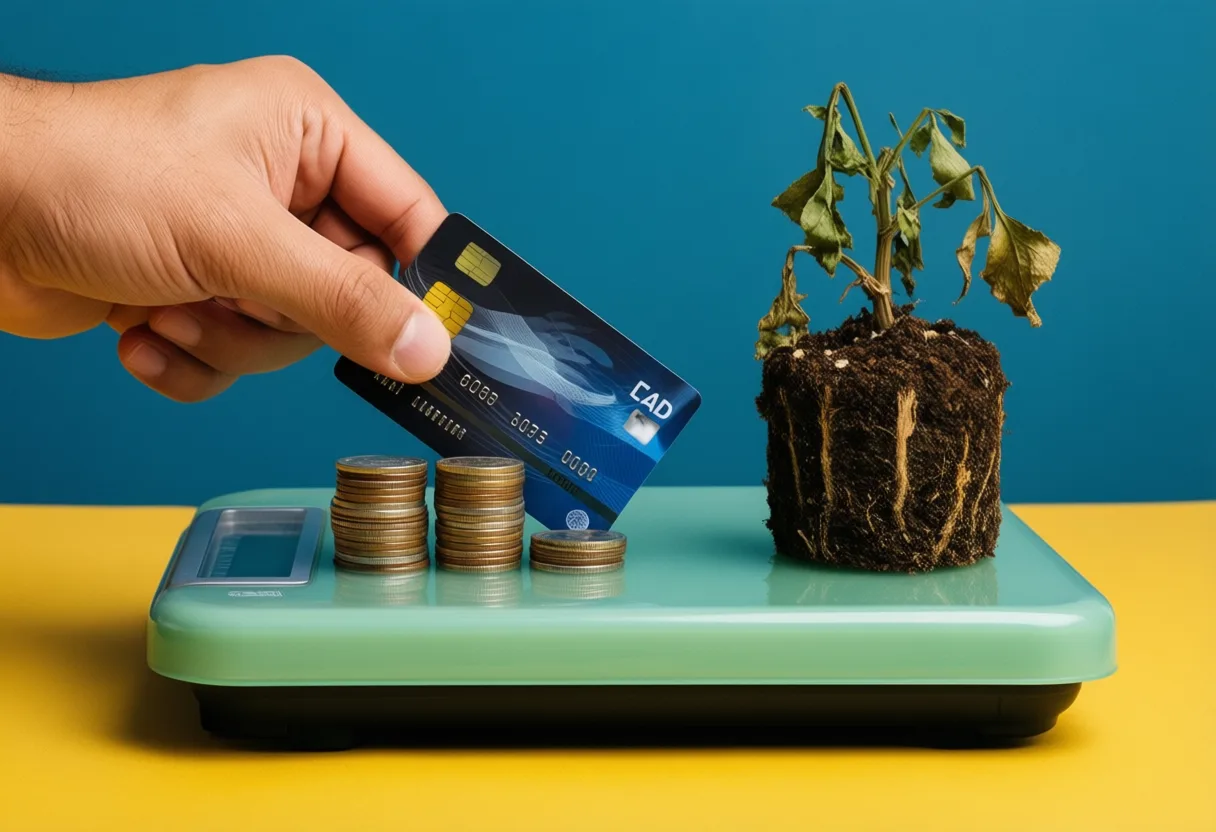
Now flip the script: compound interest works against you with debt. Credit card balances don’t just sit still-they grow, silently, every month. A $2,000 balance at 18% interest can balloon to over $3,000 in five years if you only make minimum payments. That’s not a penalty. It’s math. And if you don’t understand it, you’re playing a game with loaded dice. To truly grasp how interest shapes your financial life, check out the Personal Finance Interest Rates Guide Understanding Today's Rates, which breaks down how rates impact savings, loans, and investments.

How Budgeting Becomes a Superpower-Not a Constraint
Most people think of budgeting as restriction-like a diet that tells you not to eat cake. But that mindset misses the point. A budget isn’t about saying “no” to joy. It’s about saying “yes” to control. When you know where your money goes, you stop feeling guilty about spending and start feeling confident. That coffee out? A conscious choice, not a mystery.
Think of your income as energy. Every dollar is a unit of power you can direct. Without a plan, it leaks out in all directions-fees, forgotten subscriptions, last-minute rideshares. With a budget, you channel that energy toward what matters: paying off debt, building savings, or saving for a trip you’ve always wanted. A budget turns randomness into intention.
And it doesn’t have to be rigid. The best budgets are flexible, like a map that adjusts when traffic changes. Use the 50/30/20 rule as a starting point: 50% for needs, 30% for wants, 20% for savings and debt repayment. Or try zero-based budgeting, where every dollar has a job. The method matters less than the mindset. For a step-by-step guide, Personal Finance For Dummies How To Budget And Save Effectively walks you through simple strategies that work in real life.
What Your Bank Statements Reveal About Your Life Choices
Open your last bank statement. Don’t skim-read it like a detective. Every transaction is a clue. That $12.99 monthly charge? A streaming service you barely use. The $7.50 coffee shop purchase three times a week? That’s over $1,000 a year. These aren’t just numbers. They’re reflections of your priorities, habits, and blind spots.
Most people never review their statements with curiosity. They see them as receipts, not records of behavior. But when you study them closely, patterns emerge. You might notice you spend more on food when you’re stressed. Or that weekend trips drain your account because you pay for everything last-minute. Your money doesn’t lie-it shows what you value, whether you realize it or not.
This isn’t about shame. It’s about insight. Once you see the patterns, you can change them. Cancel the unused gym membership. Set up automatic transfers to savings on payday. Redirect the money you save toward a goal that excites you. For more on how to interpret your financial data, Personal Finance Definition Understanding Your Financial Health explains how to measure your true financial position.
The Real Reason Emergency Funds Prevent Long-Term Debt
Your car breaks down. A medical bill arrives. A work shift gets cut. These aren’t worst-case scenarios-they’re normal life. And without a cushion, they become financial emergencies. That’s when people reach for credit cards, payday loans, or borrowed cash from friends. One small crisis leads to long-term debt, not because of poor character, but because of poor preparation.
An emergency fund isn’t about luxury. It’s about Avoiding High-cost decisions Under pressure. When you’re stressed and need $500 fast, you’re more likely to accept a loan with 200% interest. But if you have even $1,000 saved, you can handle most surprises without derailing your progress. That fund becomes your financial shock absorber.
Start small. Save $20 a week. In six months, you’ll have over $1,000. Then keep going. Most experts recommend three to six months of living expenses, but the real goal is peace of mind. Know that if life throws a curveball, you won’t have to borrow your way out. That confidence changes how you think about money-and how you live your life.

When Paycheck-to-Paycheck Living Becomes a Trap-And How to Escape
Living paycheck to paycheck doesn’t mean you’re bad with money. It often means your income hasn’t kept up with costs, or unexpected expenses keep derailing your plans. But over time, this cycle becomes a trap. You’re not just surviving-you’re stuck. Every dollar is spoken for before it arrives, leaving no room for growth, no space to breathe.
The trap tightens because There’s no margin for error. One missed shift, one repair, one delay in payment-and you’re behind. You start borrowing from next week to cover this week, like pulling tiles off the roof to patch the floor. It works for a moment, but the structure weakens.
Escaping starts with one step: breaking the cycle of immediacy. Instead of asking, “What do I need today?” Ask, “What can I protect for tomorrow?” Even $5 saved this week is a crack in the cycle. Automate it if you can. Use apps that round up purchases and save the difference. Every dollar saved is a vote for a different future. And remember, building financial stability isn’t about perfection-it’s about persistence.
Credit Cards: Tools for Building Wealth or Weapons of Financial Self-Destruction?
Credit cards are like knives: useful in the right hands, dangerous in the wrong ones. Used wisely, they build credit, earn rewards, and offer protection on purchases. Used poorly, they trap you in debt that grows faster than you can pay it off. The difference isn’t the card. It’s the person holding it.
The danger lies in the minimum payment. It feels manageable-$25 on a $1,000 balance. But that small payment mostly covers interest, not the principal. It can take years, even decades, to pay off a single card if you only pay the minimum. And the longer it takes, the more you pay-sometimes double the original amount.
To use credit cards as tools, follow three rules:
1. Pay the full balance every month.
2. Keep your spending below 30% of your limit.
3. Use them only for planned purchases, not impulse buys.
When you do this, credit cards work for you. They help build a strong credit score, which lowers interest rates on loans and mortgages. But if you carry a balance, you’re paying for convenience-and it’s expensive. For more on managing credit wisely, Personal Finance Education Starts With Budgeting Basics covers how to build habits that support long-term financial health.
Why Financial Education in Schools Falls Short-And What to Do Instead
Most people never learned personal finance in school. If they did, it was a single unit in a semester-long economics class-taught with textbooks, not real-life scenarios. The result? Young adults enter the world without knowing how credit scores work, how interest accumulates, or how to read a paycheck. They learn by making costly mistakes.
Even when schools offer financial education, it often misses the mark. It focuses on theory-supply and demand, inflation, GDP-without teaching practical skills like budgeting, saving, or avoiding debt. Knowing how the economy works doesn’t help if you don’t know how your own money works.
The solution isn’t waiting for schools to change. It’s taking charge now. Treat financial literacy like a second language-one you learn through practice, not lectures. Start with one skill: tracking spending, building a budget, or opening a savings account. Master it, then move to the next. Use free resources, online tools, and real-world experience. You don’t need a degree to get better with money. You just need the willingness to start.

How Small, Daily Decisions Shape Lifetime Wealth
Wealth isn’t built in a day. It’s built in moments: choosing to cook instead of order takeout, waiting 24 hours before an online purchase, or transferring $10 to savings before spending the rest. These choices seem small-insignificant, even. But over time, they compound, just like interest.
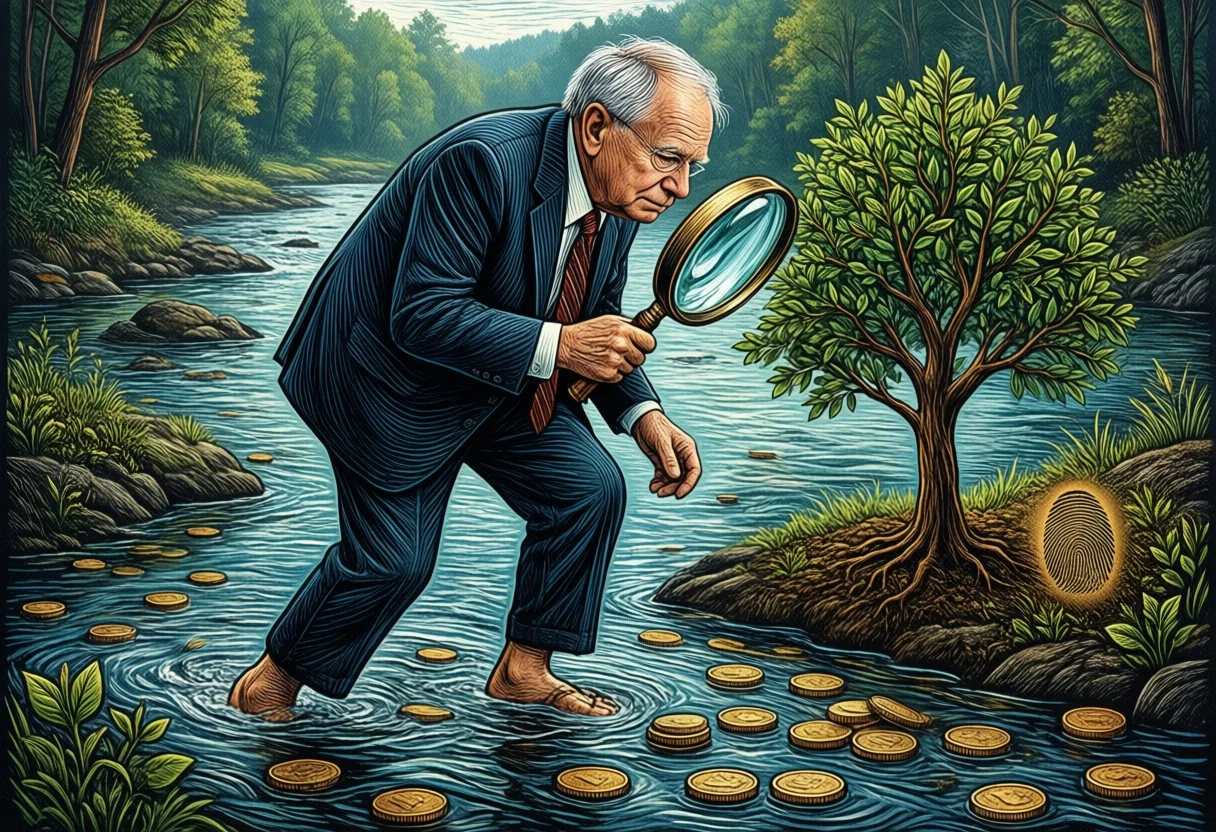
Think of your financial life as a river. Daily decisions are the raindrops that feed it. One drop does nothing. But thousands, millions, over years? They create a current strong enough to move boulders. Small habits, repeated, become powerful forces.
You don’t need a six-figure salary to build wealth. You need consistency. Save 10% of every paycheck, no matter how small. Invest it automatically. Avoid lifestyle inflation-just because you earn more doesn’t mean you have to spend more. The gap between income and spending is where wealth grows. And the earlier you start, the more time it has to grow.
The Mindset Shift That Makes Investing Feel Accessible
Investing feels intimidating. Words like “portfolio,” “diversification,” and “index funds” sound like jargon from a boardroom drama. But at its core, investing is simple: You’re buying a piece of the future. When you invest, you’re not gambling-you’re participating in the growth of companies, economies, and innovation.
The biggest barrier isn’t knowledge. It’s fear. Fear of losing money, of making the wrong choice, of not being “smart enough.” But you don’t need to pick stocks or time the market. Low-cost index funds let you invest in hundreds of companies at once, spreading risk and reducing effort.
Start small. Open a retirement account. Set up automatic contributions. Let time do the work. You don’t need to watch the market daily. You just need to stay in it. The goal isn’t to get rich quick. It’s to get rich slowly, steadily, and surely.
Building a Money System That Works While You Sleep
The ultimate goal isn’t to manage money better. It’s to build a system that manages itself. Imagine waking up to a savings account that grew overnight, investments that compound without your input, and bills that pay themselves. This isn’t magic. It’s automation and intention working together.
Set up direct deposits to split your paycheck between checking and savings. Automate bill payments to avoid late fees. Use apps that invest spare change. These systems run in the background, like software updates, quietly improving your financial health.
When your money works while you sleep, you gain something priceless: Freedom. Freedom from constant worry. Freedom to focus on work, family, passions. You’re not chasing money-you’re designing a life where money supports you, not the other way around. And that’s the real reward of mastering your finances.
Building Smarter Money Habits Starts Early
The Power of a Few Key Habits
Think small financial wins don’t matter? Think again. Research shows that simply tracking your spending can lead to a 20% reduction in monthly expenses without even trying to cut back. It’s not magic-just awareness. When you see where your money goes, you start making smarter choices, like skipping that third coffee run or realizing a subscription you forgot about is quietly draining your account.
Surprising Roots of Financial Know-How
Here’s a fun twist: kids who grew up playing certain board games actually develop stronger money habits later in life. Monopoly, for all its fake money and fake real estate, teaches basic concepts like budgeting, saving, and even risk-taking. While it doesn’t cover modern investing, the simple act of handling money-even pretend-builds comfort and confidence. That early exposure helps shape real-world decisions, like saving for a car or understanding interest on a loan.
How Literacy Pays Off in Unexpected Ways
Being financially literate doesn’t just mean bigger savings-it can reduce stress and improve relationships. Couples who talk openly about money report higher relationship satisfaction, regardless of income level. And get this: people who understand compound interest are more likely to start retirement accounts early, giving their money decades to grow. It’s not about being rich; it’s about making informed choices that add up over time. Explore more stories, videos, and creators on Loaded.
Frequently Asked Questions
Why is personal finance literacy important for building better money habits?
Personal finance literacy helps you understand where your money goes and how to make informed decisions. It turns unconscious spending into intentional choices, allowing you to build control and confidence with your finances.
How does compound interest affect both savings and debt?
Compound interest helps savings grow over time by earning returns on both the initial amount and accumulated returns. In debt, it works against you by increasing what you owe when balances accumulate interest on top of interest.
What role does budgeting play in financial well-being?
Budgeting gives you control over your money by directing it toward priorities like debt repayment, savings, and meaningful spending. It transforms random spending into intentional choices and reduces financial stress.
How can small daily financial decisions impact long-term wealth?
Small habits like saving $10 weekly or skipping unnecessary purchases compound over time. Consistent, minor choices build into significant wealth when repeated regularly over years.
Not financial advice. This article is general information, not financial, investment, tax or legal advice. Talk to a qualified professional before making money decisions.
This article was produced with AI assistance. How Money Maker Magazine uses AI.
Diego explores the intersection of culture and commerce, reporting on how trends in travel, fashion, and dining shape consumer behavior and investment opportunities. His work reveals the economic engines behind everyday indulgences.